Introduction
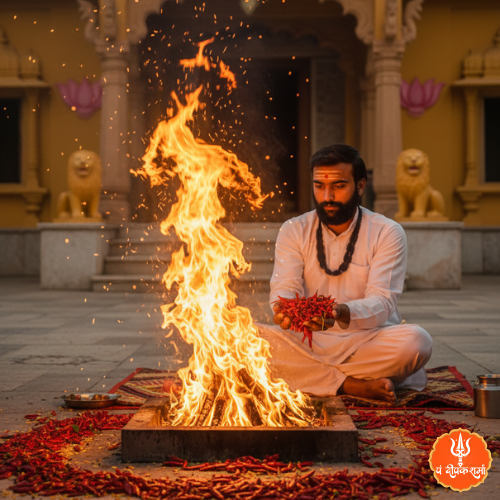
Baglamukhi Havan is a sacred ritual dedicated to Devi Baglamukhi, one of the ten Mahavidyas in Hindu tradition. This powerful havan is specifically performed to remove enemies and obstacles from one’s life. The energy of Baglamukhi Mata is invoked to shield devotees from negativity and to bestow them with strength and protection. In this detailed guide, we will explore the meaning, rituals, and benefits of performing Baglamukhi Havan for enemy removal.
Meaning of This Ritual
The term ‘Havan’ refers to the ritual of making offerings into a sacred fire, which is considered a divine act to purify one’s surroundings and invoke the blessings of various deities. Baglamukhi, the goddess of speech and power, embodies the essence of knowledge and wisdom. Performing her havan symbolizes the devotee’s intent to eradicate negativity and gain victory over adversaries, thereby creating a more harmonious and prosperous life.
How This Ritual Helps
Engaging in Baglamukhi Havan for enemy removal can provide various spiritual and psychological benefits. It is believed to:
- Foster a sense of peace and security.
- Enhance self-confidence and courage in confrontational situations.
- Remove obstacles created by adversaries.
- Empower the devotee to overcome challenges with grace.
Through the blessings of Devi Baglamukhi, devotees often find that their lives become more balanced and free from hostility.
Mythological Background
In Hindu mythology, Devi Baglamukhi is revered for her ability to immobilize enemies and silence negativity. She is often depicted holding a tongue in her hand, symbolizing the power of speech and the ability to control one’s words and actions. Her worship is believed to grant devotees the strength to confront and overcome their foes.
According to ancient texts, Baglamukhi’s divine form is said to appear during times of crisis, helping her followers in dire situations. The story of her victory over demons illustrates her protective nature and unwavering resolve. This goddess is also associated with the element of fire, which signifies transformation and purification, making the havan a vital component of her worship.
Legends recount that once, when the gods faced difficulties due to the incessant disturbances caused by demons, they invoked Baglamukhi. With her immense power, she vanquished the demons, restoring peace and balance in the universe. This tale emphasizes her role as a protector and a force against adversity, making the Baglamukhi Havan a profound practice for those seeking refuge from their enemies.
By understanding the mythology surrounding Devi Baglamukhi, devotees can deepen their connection to the rituals and approach the havan with reverence and intention.
Who Should Perform This
Baglamukhi Havan is particularly beneficial for individuals facing:
- Legal disputes or court cases.
- Challenges in personal or professional relationships.
- Obstacles in career advancement.
- General feelings of negativity or hostility from others.
Anyone seeking to enhance their protective aura and remove hindrances caused by adversaries may consider participating in this sacred ritual.
Step-by-Step Vidhi (Very Detailed)
The following steps outline the procedure for conducting a Baglamukhi Havan:
Preparation
1. **Gather Materials**: Collect the necessary items for the havan, which typically include:
- Havan samagri (sacred offerings like ghee, herbs, and grains)
- A copper or clay havan kund (fire pit)
- Wooden sticks for the fire
- Offerings such as flowers and fruits
- A clean cloth for the altar
- Incense and diya (oil lamp)
2. **Purification**: Before starting, purify the space by cleaning the area where the havan will be conducted. A clean environment is essential to invoke the divine energies.
Setting Up the Havan Kund
3. **Position the Havan Kund**: Place the havan kund in a north-east direction, which is considered auspicious. Ensure that the area is free from distractions.
Performing the Havan
4. **Invoke Goddess Baglamukhi**: Begin the ritual by chanting the following invocation mantra:
“ॐ ह्लीं बगलामुखि सर्व शत्रुस्तम्भनाय स्वाहा”
5. **Light the Fire**: Use the wooden sticks to ignite the fire in the havan kund. It is important to ensure that the fire is pure and strong.
6. **Offerings**: As the fire burns steadily, gradually add the havan samagri into the fire while chanting the following mantra:
“ॐ ह्लीं बगलामुखि सर्वविघ्न नाशाय ह्लीं फट्”
This mantra invokes the goddess’s blessings to remove all obstacles and negativity.
Concluding the Havan
7. **Complete the Ritual**: After making the offerings, conclude the havan with a prayer, thanking Devi Baglamukhi for her protection and blessings.
8. **Distribution of Prasad**: Share the prasad (blessed offerings) among participants, symbolizing the goddess’s gracious presence.
Post-Havan Rituals
9. **Meditation and Reflection**: After the havan, spend some time in meditation, reflecting on the rituals performed and the blessings received.
Mantra for This Ritual
The following mantra is central to the performance of Baglamukhi Havan:
“ॐ ह्लीं बगलामुखि सर्व शत्रुस्तम्भनाय स्वाहा”
**Transliteration**: Om Hleem Baglamukhi Sarva Shatrustambhanaya Swaha
**Meaning**: This mantra is a powerful invocation for the removal of enemies and obstacles. By chanting this mantra, devotees seek the goddess’s assistance to immobilize their adversaries and protect themselves from negative influences.
Do’s & Don’ts
Do’s:
- Perform the ritual with a pure heart and positive intentions.
- Ensure the havan is conducted in a clean and sacred space.
- Use fresh and pure havan samagri for offerings.
- Invite family members or trusted friends to participate, enhancing the collective energy.
Don’ts:
- Avoid negative thoughts or distractions during the ritual.
- Do not consume non-vegetarian food or alcohol before the havan.
- Refrain from speaking ill of others during the process.
- Do not rush through the rituals; maintain a calm and respectful demeanor.
When to Perform
Baglamukhi Havan can be performed at any auspicious time, but certain days are particularly favored, such as:
- The full moon day (Purnima)
- During Navratri, specifically on the day dedicated to Devi Baglamukhi
- On Tuesdays and Fridays, which are considered auspicious for goddess worship
Nalkheda Temple Connection
The Nalkheda Baglamukhi Temple in Madhya Pradesh is a revered site for devotees seeking the blessings of Devi Baglamukhi. Pilgrims visit this temple to perform the havan under the guidance of experienced priests, including Pandit Deepak Sharma. The serene atmosphere of the temple enhances the spiritual experience, making it an ideal place for conducting Baglamukhi Havan.
FAQ
- What materials are needed for Baglamukhi Havan? You will need havan samagri, a havan kund, wooden sticks, and offerings like flowers and fruits.
- Can I perform this havan at home? Yes, you can perform Baglamukhi Havan at home, provided you maintain a clean and sacred space.
- How long does the havan take to complete? The entire process typically takes about 1 to 2 hours, depending on the devotion and rituals included.
- Is there a specific mantra for this havan? Yes, the main mantra is “ॐ ह्लीं बगलामुखि सर्व शत्रुस्तम्भनाय स्वाहा”.
- Can anyone perform this havan? Yes, anyone facing challenges from enemies or seeking protection can perform this havan.
- What are the expected results from performing the havan? Devotees often experience a sense of peace, protection from harm, and the removal of obstacles in their lives.
Agar aap is pooja ko proper Vedic vidhi ke saath karwana chahte hain, toh Nalkheda ke experienced pandit Pandit Deepak Sharma se margdarshan le sakte hain. Woh traditional Baglamukhi pooja aur havan ko shuddh vidhi se karte hain.