Introduction
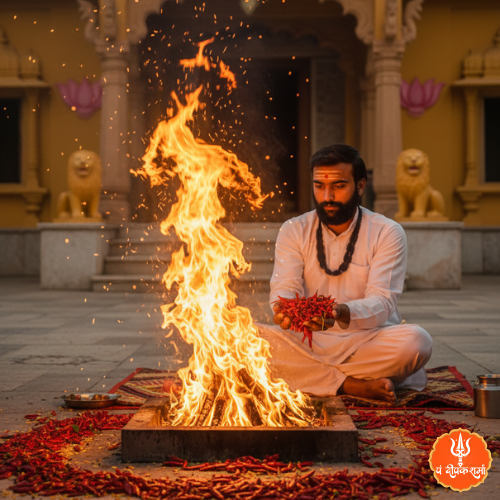
Baglamukhi Havan is a revered ritual performed to seek the blessings of Goddess Baglamukhi, known for her divine powers in removing obstacles and bestowing success. This sacred ceremony is particularly beneficial for those experiencing challenges in their careers, as it aligns the devotee with positive energies and enhances their prospects. This article delves into the meaning, rituals, and the profound mythology behind the Baglamukhi Havan, particularly focusing on its advantages for career advancement.
Meaning of This Ritual
The term ‘Havan’ refers to a fire ritual performed in front of a sacred fire (homa) where offerings are made to deities. In the context of Baglamukhi Havan, it is believed that invoking the goddess through this ritual can help in overcoming career hurdles, securing job promotions, and achieving overall success in professional endeavors. The essence of this ritual lies in its ability to cleanse negative energies, thereby facilitating the flow of positive vibrations for prosperity.
How This Ritual Helps
Performing Baglamukhi Havan is considered to be immensely beneficial for individuals facing challenges in their careers. This ritual may help in:
- Removing obstacles that hinder professional growth.
- Enhancing decision-making abilities and improving clarity of thought.
- Attracting opportunities for career advancement and success.
- Providing protection against negative influences from competitors or adversaries.
By offering prayers and participating in the Havan, devotees can align themselves with the divine energies of Goddess Baglamukhi, fostering an environment conducive to growth and success.
Mythological Background
Baglamukhi is one of the ten Mahavidyas in Hinduism, symbolizing the power of knowledge and eloquence. The mythology surrounding her portrays her as a fierce protector and a strategist in overcoming adversities. It is said that she emerged from the energy of the gods to vanquish demons who threatened the balance of the universe.
According to ancient texts, when the gods faced defeat against the demons, they prayed fervently to Goddess Baglamukhi. In response to their prayers, she appeared and used her divine powers to silence the demons by binding them with her magic. This act symbolizes the power of speech and the ability to overcome obstacles through wisdom and strategy.
Furthermore, the Baglamukhi Havan is steeped in the belief that invoking her presence and participating in this ritual can bring about transformations in one’s career trajectory. Many devotees recount stories of miraculous changes and breakthroughs in their professional lives after performing this Havan.
Another significant aspect of Baglamukhi’s mythology relates to her association with the color yellow, representing prosperity and abundance. The offerings made during the Havan, often comprising yellow flowers, turmeric, and other items, are symbolic of attracting wealth and success.
Who Should Perform This
The Baglamukhi Havan is particularly beneficial for individuals who:
- Are facing challenges in their current job or career.
- Desire a promotion or new job opportunities.
- Need protection from adversaries or negative influences at work.
- Wish to enhance their communication and negotiation skills.
Moreover, anyone seeking to overcome obstacles in their professional life or aspiring to achieve greater heights in their career can benefit from this divine ritual.
Step-by-Step Vidhi (Very Detailed)
To perform Baglamukhi Havan, one must follow a detailed procedure that ensures the ritual is conducted correctly. Below are the steps involved:
Preparatory Steps
1. **Select an Auspicious Day**: It is essential to perform the Havan on an auspicious day, such as during a full moon or on specific festival days dedicated to Goddess Baglamukhi.
2. **Gather Required Materials**: Collect all the necessary items for the Havan, including:
- Homa Kund (fire pit)
- Ghee (clarified butter)
- Herbs and dry fruits
- Yellow flowers and turmeric
- Incense sticks and camphor
- Rice and sugar
3. **Purify the Space**: Cleanse the area where the Havan will take place. Light incense or perform a small Aachaman (purification) before beginning.
Conducting the Havan
4. **Light the Fire**: Using dry leaves and kindling, light the fire in the Homa Kund. Ensure that the flames are steady and vibrant.
5. **Offerings**: Begin making offerings to the fire. Recite the following mantra while adding ghee and other offerings:
“ॐ ह्लीं बगलामुखि सर्वविघ्न नाशाय ह्लीं स्वाहा”
Each offering should be accompanied by a heartfelt prayer for the specific intentions you seek.
6. **Chanting Mantras**: Throughout the Havan, chant the Baglamukhi mantra and other Vedic hymns to invoke the goddess’s blessings and energies. It is believed that the vibrations created during the chanting enhance the effectiveness of the ritual.
7. **Conclude the Havan**: After completing the offerings, conclude the Havan with a prayer of gratitude. Allow the fire to burn out naturally.
Post-Havan Rituals
8. **Prasad Distribution**: Once the Havan is complete, distribute the prasad (blessed food) among participants and family members as a token of the goddess’s blessings.
9. **Maintain a Positive Mindset**: Continue to maintain a positive and focused mindset as you await the results of your prayers and efforts.
Mantra for This Ritual
The primary mantra associated with Baglamukhi Havan, particularly for overcoming career challenges, is:
Mantra:
“ॐ ह्लीं बगलामुखि सर्वविघ्न नाशाय ह्लीं स्वाहा”
Transliteration: Om Hleem Baglamukhi Sarva-Vighna Nashaya Hleem Svaha
Meaning: This mantra is a powerful invocation requesting Goddess Baglamukhi to remove all obstacles and grant success in endeavors. Repeating this mantra with devotion during the Havan amplifies its effects.
Do’s & Don’ts
When performing Baglamukhi Havan, consider the following do’s and don’ts:
Do’s
- Perform the Havan with a pure heart and clear intentions.
- Use fresh and pure materials for the offerings.
- Maintain a calm and focused environment during the ritual.
Don’ts
- Avoid any negative thoughts or distractions during the Havan.
- Do not use stale or impure offerings.
- Refrain from interrupting the ritual once it has begun.
When to Perform
Baglamukhi Havan can be performed during any time of the year, but it is especially auspicious to conduct it during:
- Full Moon Days
- Navratri
- Shukla Paksha (waxing phase of the moon)
- Special festivals dedicated to Goddess Baglamukhi
Nalkheda Temple Connection
Nalkheda is home to the ancient Baglamukhi Temple, where devotees gather to perform Havan and seek blessings. The temple is renowned for its spiritual ambiance and the effectiveness of rituals performed here. Visiting the temple adds a profound layer of devotion to your Havan, allowing you to connect directly with the goddess.
FAQ
What materials are needed for Baglamukhi Havan?
Essential materials include ghee, yellow flowers, turmeric, herbs, and a Homa Kund. It’s important to ensure everything is pure and fresh.
Can anyone perform this Havan?
Yes, anyone seeking relief from career obstacles or wanting to improve their professional life can perform this Havan. However, it is recommended to consult an experienced priest for guidance.
How long does the Havan take to perform?
The duration of the Havan may vary, but it generally takes about 1-2 hours to complete, including preparations and rituals.
What should I do after the Havan?
After the Havan, distribute prasad to family and friends and maintain a positive mindset as you await the results of your prayers.
Is it necessary to visit the temple to perform the Havan?
While it is not mandatory, visiting the Baglamukhi Temple in Nalkheda enhances the spiritual experience and connects you more deeply with the goddess.
What is the significance of the mantra used in the Havan?
The mantra invokes Goddess Baglamukhi’s energy to remove obstacles and grant success, making it a vital part of the Havan.
Closing CTA
Agar aap is pooja ko proper Vedic vidhi ke saath karwana chahte hain, toh Nalkheda ke experienced pandit Pandit Deepak Sharma se margdarshan le sakte hain. Woh traditional Baglamukhi pooja aur havan ko shuddh vidhi se karte hain.