Introduction to Baglamukhi Havan
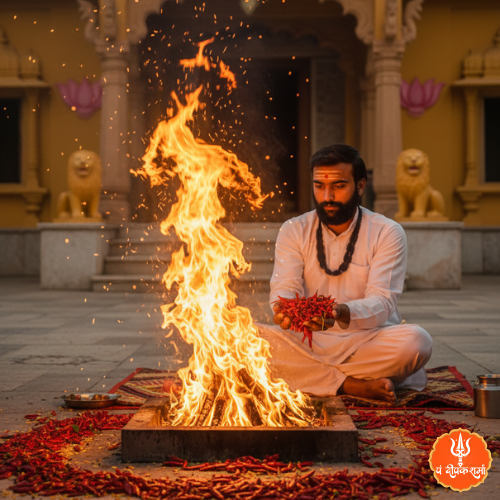
Baglamukhi Havan is a revered ritual dedicated to Devi Baglamukhi, one of the ten Mahavidyas in Hinduism. This sacred ceremony is performed to invoke the divine blessings of the goddess, who is known for her power to grant protection, wisdom, and success. The havan involves an elaborate process that aligns with Vedic traditions, aimed at removing obstacles and enhancing spiritual growth.
The Importance of Baglamukhi Havan
The significance of the Baglamukhi Havan lies in its ability to channel divine energy for personal transformation. It is particularly beneficial for individuals seeking to overcome challenges in their professional and personal lives. The ritual is believed to help in achieving clarity of thought, strengthening willpower, and fostering a sense of inner peace.
This havan is also recommended for those facing legal troubles or obstacles in their careers. By performing this ritual, devotees seek the blessings of Baglamukhi Mata to help them navigate through life’s difficulties with grace and confidence.
Mythological Background
According to Hindu mythology, Devi Baglamukhi is known as the goddess who can immobilize enemies and protect her devotees from harm. She is depicted as a powerful figure who wields a staff that symbolizes authority and control. The mythological stories surrounding her emphasize the importance of wisdom and discernment in overcoming adversities.
The Baglamukhi Havan is often performed during auspicious times to maximize its effectiveness. Devotees believe that by invoking the goddess’s name and performing the rituals accurately, they can invite her divine presence into their lives.
Vidhi (Procedure) for Baglamukhi Havan
Performing the Baglamukhi Havan involves several steps, each essential for ensuring the ritual’s success. Below is the detailed vidhi:
Step 1: Preparation
- Gathering Materials: Collect all necessary items such as the havan kund (sacred fire pit), samagri (ritual offerings), ghee, and specific herbs. It’s essential to have a clean and sacred environment for the ritual.
- Choosing the Right Time: Selecting an auspicious day and time is crucial. The best time for performing this havan is on a Tuesday or during the Shukla Paksha (waxing phase of the moon).
Step 2: Ritual Invocation
- Purification: Begin by purifying the space. Sprinkle water and chant mantras to cleanse the environment.
- Lighting the Fire: Light the fire in the havan kund using dry wood and ghee, invoking the presence of Devi Baglamukhi.
Step 3: Offering Samagri
- Reciting Mantras: As you offer the samagri into the fire, recite the specific mantras dedicated to Devi Baglamukhi. One such mantra is:
- “ॐ ह्लीं बगलामुखि सर्वविघ्न नाशाय ह्लीं स्वाहा” (Om Hleem Baglamukhi Sarva Vighna Nashaya Hleem Swaha)
- Making Offerings: Offer items such as grains, fruits, and flowers while chanting the mantra, focusing on your intentions for protection and success.
Step 4: Concluding the Havan
- Pradakshina: Circumambulate the havan kund while continuing to chant the mantras, signifying your devotion and respect.
- Prasad Distribution: After the havan, distribute the prasad (sacred food) to all participants, symbolizing the blessings received from the goddess.
When to Perform Baglamukhi Havan
The Baglamukhi Havan can be performed at various times, particularly during:
- Personal challenges or transitions in life.
- Legal issues or disputes, to seek resolution.
- Career changes, especially during job searches or promotions.
Do’s and Don’ts
Do’s
- Perform the havan with a pure heart and focused intention.
- Ensure the space is clean and free from distractions.
- Engage in meditation before and after the ritual to enhance your connection with the divine.
Don’ts
- Avoid performing the havan during inauspicious times or when feeling negative.
- Do not share the offerings before the havan is completed.
- Refrain from using impure items during the ritual.
Nalkheda Temple Connection
The sacred Nalkheda Baglamukhi Temple is a renowned site for performing the Baglamukhi Havan under the guidance of experienced priests. Devotees from all over visit this temple to seek the blessings of Devi Baglamukhi, especially during festivals or significant personal events.
Located in Agar Malwa district, Madhya Pradesh, the temple attracts numerous visitors who wish to participate in various rituals and havans, facilitated by Pandit Deepak Sharma, a dedicated priest with over 25 years of experience.
FAQ
- What are the benefits of performing Baglamukhi Havan?
Performing the Baglamukhi Havan is believed to provide protection from enemies, enhance career prospects, and offer relief from legal disputes. It is a powerful tool for those seeking spiritual growth and clarity in their lives. - Can I perform the havan at home?
Yes, the Baglamukhi Havan can be performed at home. However, it is advisable to have the guidance of an experienced pandit to ensure that the rituals are conducted correctly and effectively. - How often should I perform the havan?
It is recommended to perform the havan as needed, especially during times of difficulty or when significant changes are occurring in your life. Regular performance can enhance its benefits. - What items are needed for the havan?
The essential items include the havan kund, ghee, samagri (offerings such as grains and herbs), and water for purification. Specific items may vary based on personal intentions. - When is the best time to perform the havan?
The best time to perform the Baglamukhi Havan is during auspicious days, especially on Tuesdays or during the waxing phase of the moon. Consulting a pandit for timing can also be beneficial. - Is there any specific mantra to be recited during the havan?
Yes, the mantra “ॐ ह्लीं बगलामुखि सर्वविघ्न नाशाय ह्लीं स्वाहा” is commonly recited during the havan, invoking the goddess’s blessings for overcoming obstacles.
Agar aap is pooja ko proper Vedic vidhi ke saath karwana chahte hain, toh Nalkheda ke experienced pandit Pandit Deepak Sharma se margdarshan le sakte hain. Woh traditional Baglamukhi pooja aur havan ko shuddh vidhi se karte hain.