The Spiritual Essence of Rituals in Hindu Practices
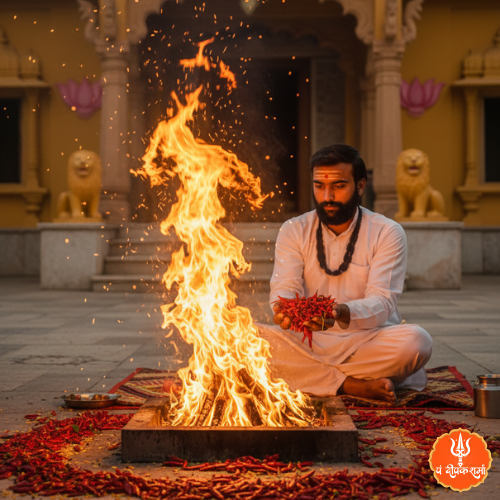
Understanding Hindu Rituals Hindu rituals, known as ‘Samskaras’, play a vital role in the spiritual and cultural fabric of India. These rituals serve multiple purposes, including marking significant life events, worshipping deities, and seeking blessings for prosperity and health. They are deeply rooted in tradition and are considered essential for fostering a connection with the divine. The Purpose of Rituals Rituals are designed to create a sacred atmosphere that enhances spiritual awareness and devotion. They may include offerings, prayers, and various symbolic actions that reflect the beliefs and values of Hinduism. By participating in these rituals, practitioners can cultivate a sense of community and personal growth. Types of Hindu Rituals Puja: This is a form of worship that involves offerings to deities, including flowers, fruits, and incense. It is one of the most common rituals performed in homes and temples. Homa: A fire ritual where offerings are made into a sacred fire, symbolizing purification and the presence of the divine. Yajna: A ritual of offerings accompanied by chanting of Vedic mantras, aimed at achieving specific goals such as health, prosperity, and peace. Samskaras: Life-cycle rituals that mark significant transitions, such as birth, marriage, and death. The Role of a Priest in Rituals In Hindu traditions, priests hold a significant role in conducting rituals. They are trained in the scriptures and rituals, ensuring that the ceremonies are performed correctly and with the appropriate mantras. A priest’s guidance can enhance the spiritual experience, making the rituals more meaningful and impactful. Why Participate in Rituals? Engaging in rituals can provide individuals with a sense of belonging and fulfillment. It allows for introspection and a deeper understanding of one’s purpose in life. Additionally, rituals can evoke feelings of peace and connection to the divine, contributing to overall well-being. Conclusion Hindu rituals are more than mere traditions; they are a profound expression of faith and devotion. Whether through personal practices at home or community gatherings in temples, these rituals foster spiritual growth and connectivity among practitioners. To explore more about conducting rituals or to engage with a knowledgeable priest, visit Baglamukhi Nalkheda.