Baglamukhi Havan for Spiritual Growth: A Sacred Divine Ritual
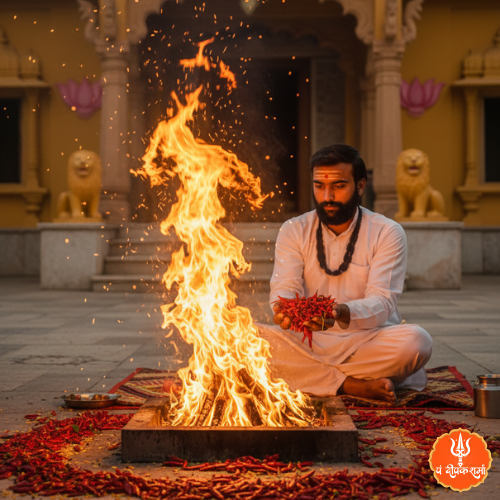
Introduction In the sacred realms of Vedic traditions, the Baglamukhi Havan stands as a profound ritual aimed at fostering spiritual growth and enlightenment. Devi Baglamukhi, the divine mother, embodies the essence of wisdom and protection, guiding her devotees through the intricacies of life’s challenges. By performing this sacred havan, one seeks her blessings to remove obstacles and attain a deeper understanding of the self. Meaning of This Ritual The Baglamukhi Havan is not merely a physical act; it is a spiritual journey that connects the devotee with the divine energy of Baglamukhi Mata. This ritual symbolizes the removal of ignorance and the illumination of the mind, allowing devotees to transcend their limitations and connect with higher consciousness. The offerings made during the havan serve as a medium to invoke the goddess’s presence, inviting her divine grace into the lives of the participants. How This Ritual Helps Engaging in the Baglamukhi Havan has multiple benefits for devotees: Spiritual Clarity: By performing this ritual, devotees often experience mental clarity, allowing them to make better decisions in their lives. Protection: The havan acts as a shield against negative energies and obstacles that hinder personal growth. Inner Peace: It helps in attaining a state of tranquility, fostering a sense of peace and well-being within. Empowerment: The blessings of Devi Baglamukhi empower devotees to overcome challenges and pursue their spiritual paths with confidence. Mythological Background The worship of Baglamukhi Mata traces back to ancient scriptures, where she is revered as one of the ten Mahavidyas. According to mythology, she is depicted as a goddess who possesses the power to paralyze enemies, both internal and external. Her name itself carries the meaning of ‘the one who can stop speech,’ representing control over negative influences and thoughts. In the sacred texts, it is said that once a sage was troubled by the frequent disturbances caused by evil forces. Through devotion and the practice of Baglamukhi Havan, he invoked the goddess, who granted him protection and wisdom. This narrative serves as a reminder of the transformative power of the havan, showcasing how sincere devotion can lead to divine intervention. As devotees gather to perform the havan, they not only seek blessings for themselves but also for their loved ones. The collective energy generated during the ritual amplifies the effects, allowing the presence of the goddess to envelop the entire gathering. Furthermore, the havan is often performed during auspicious times, as prescribed in Vedic astrology, to maximize its effectiveness. This connection to celestial timings ensures that the energy of the ritual aligns with cosmic forces, further enhancing its spiritual potency. Who Should Perform This The Baglamukhi Havan is suitable for anyone seeking spiritual growth, clarity in decision-making, or protection from negativity. Individuals facing obstacles in their personal or professional lives, students preparing for exams, and those undergoing significant life changes can benefit immensely from this ritual. It is particularly recommended for those who feel overwhelmed or blocked in their spiritual journeys. Step-by-Step Vidhi (Very Detailed) To perform the Baglamukhi Havan, one must adhere to a series of steps that honor the sanctity of the ritual: Preparation: Begin by selecting a clean, sacred space where the havan can be performed. Gather all necessary materials, including sacred wood (like mango or peepal), ghee, and specific herbs. Creating the Havan Kund: Construct a havan kund (fire pit) using clay or metal, ensuring it is square or rectangular in shape, symbolizing stability and grounding. Purification: Purify the space by sprinkling holy water and chanting mantras to invoke divine energies. This step helps to cleanse the environment of any negative vibrations. Invocation: Light a lamp and offer flowers to the deity’s idol or picture. Begin chanting the Baglamukhi mantra to invoke her presence. Fire Offering: As the fire is lit in the havan kund, offer ghee and the sacred wood while chanting the specific mantras associated with the havan. This step is crucial as it establishes a connection with the goddess. Closing the Ritual: After completing the offerings, conclude the havan with a final prayer, seeking blessings for peace, protection, and spiritual growth. Allow the fire to extinguish naturally. Each step should be performed with utmost devotion and focus, as the energy of intention plays a significant role in the efficacy of the havan. Mantra for This Ritual The mantra associated with the Baglamukhi Havan is: ॐ ह्लीं बगलामुखि सर्वविघ्न नाशाय ह्लीं स्वाहा Transliteration: Om Hleem Baglamukhi Sarvavighna Nashaya Hleem Swaha Meaning: This powerful mantra is an invocation for the removal of all obstacles and negative influences through the blessings of Devi Baglamukhi. It signifies the devotee’s surrender to the goddess, seeking her protection and guidance in overcoming challenges. This mantra should be chanted with sincerity during the havan, especially when making offerings into the fire, to enhance its effects. Do’s & Don’ts Do: Maintain a calm and focused mind during the ritual. Concentrate on the intentions behind your offerings. Do: Perform the havan on auspicious days as per your Vedic calendar to align the energies effectively. Don’t: Engage in any negative thoughts or actions before or during the ritual, as this can affect the outcome. Don’t: Rush through the steps. Each aspect of the havan deserves attention and respect. When to Perform The Baglamukhi Havan is typically performed during significant life transitions, such as starting a new job, before examinations, or when facing legal challenges. It is also beneficial to perform this ritual during the waxing moon phase, as it is considered auspicious for growth and new beginnings. Nalkheda Temple Connection The Baglamukhi Temple in Nalkheda is a revered site where devotees gather to perform this sacred havan. The temple, dedicated to Devi Baglamukhi, attracts pilgrims seeking her blessings. It is essential to visit the temple to experience the spiritual ambiance and connect with the divine energy that permeates the surroundings. The temple’s priests, well-versed in the rituals, can guide devotees in performing the havan according to the traditions of Vedic practices. FAQ What is the significance of Baglamukhi Havan? The Baglamukhi
Exploring Baglamukhi Havan for Spiritual Protection and Success
Introduction Baglamukhi Havan is a revered Vedic ritual dedicated to Goddess Baglamukhi, a powerful deity associated with wisdom, knowledge, and protection. This havan is performed to invoke divine blessings for overcoming obstacles, achieving success, and ensuring spiritual protection. Through this sacred fire ritual, devotees seek the grace of the goddess to safeguard themselves from negativity and enhance their spiritual journey. Meaning of This Ritual The term ‘Havan’ refers to a fire ritual in which offerings are made to the sacred fire. In the context of Baglamukhi Havan, the offerings symbolize our devotion and surrender to the goddess. The flames of the fire are considered to purify the environment and the mind, creating a conducive atmosphere for spiritual growth and success. The ritual embodies the essence of devotion, purification, and the pursuit of divine blessings. How This Ritual Helps Baglamukhi Havan is believed to provide numerous benefits: Spiritual Protection: The ritual serves as a shield against negative energies, evil influences, and obstacles that may hinder one’s progress. Success and Prosperity: It is performed with the intention of achieving success in various endeavors, whether they be personal, professional, or spiritual. Enhanced Focus and Clarity: The havan promotes mental clarity and concentration, aiding in decision-making and goal achievement. Divine Blessings: By invoking the goddess, devotees seek her blessings for wisdom, knowledge, and guidance on their spiritual journey. Mythological Background In Hindu mythology, Goddess Baglamukhi is one of the ten Mahavidyas, representing the power of speech, knowledge, and wisdom. She is worshipped as a divine mother who bestows her devotees with the ability to overcome adversities and challenges in life. According to ancient texts, Baglamukhi is often depicted with a golden complexion, holding a club and a lotus, symbolizing strength and purity. Legends narrate that Baglamukhi emerged from the collective consciousness of the gods to combat the forces of ignorance and evil. Her divine intervention is sought by those who face trials in their lives, whether it be in the form of legal battles, personal conflicts, or professional hurdles. The havan acts as a conduit for channeling her energies into the lives of the devotees, enabling them to navigate through life’s challenges with confidence. Furthermore, the significance of the havan is amplified by the sacred mantras recited during the ritual. These mantras are believed to resonate with the cosmic energies, aligning the devotee with the divine will of Goddess Baglamukhi. The collective vibrations created during the havan purify the surroundings and elevate the spiritual frequency of the participants. As a result, Baglamukhi Havan is not merely a ritual but a profound spiritual experience, fostering a deeper connection with the divine and facilitating personal transformation. Who Should Perform This This havan is suitable for anyone facing obstacles in their personal or professional life. Individuals seeking spiritual upliftment, protection from negativity, or guidance in overcoming challenges can benefit from this ritual. It is also recommended for those involved in legal matters, as it is believed to help in achieving favorable outcomes. Step-by-Step Vidhi (Very Detailed) The process of performing Baglamukhi Havan involves several key steps: Preparation 1. Gathering Materials: Essential items for the havan include sacred wood (often sandalwood), ghee (clarified butter), rice, and various herbs. The specific offerings may also include items like yellow mustard seeds, which are believed to attract positive energies. 2. Setting Up the Havan Kund: The havan kund (fire pit) is to be constructed in a clean and sacred space. The dimensions of the kund should be such that it can hold a sufficient amount of firewood and offerings. Performing the Havan 3. Invoking the Goddess: Begin the ritual with a prayer to invoke the blessings of Goddess Baglamukhi. Light incense sticks and offer flowers at the altar. 4. Lighting the Fire: Using dry leaves and small twigs, ignite the fire in the havan kund. Once the fire is established, add ghee and the sacred wood in a systematic manner. 5. Offering Materials: As the fire burns, make offerings of rice, herbs, and other materials into the flames while reciting specific mantras dedicated to Baglamukhi. 6. Chanting the Mantras: The primary mantra used during this havan is: ॐ ह्लीं बगलामुखि सर्वविघ्न नाशाय ह्लीं स्वाहा Transliteration: Om Hleem Baglamukhi Sarva Vighna Nashaya Hleem Swaha Meaning: This mantra is a prayer for the removal of all obstacles and difficulties, invoking the divine grace of Goddess Baglamukhi. Concluding the Ritual 7. Expressing Gratitude: After the offerings, conclude the havan by expressing gratitude to the goddess for her blessings. It is customary to share the prasad (blessed food) among participants. Do’s & Don’ts Do’s Ensure that the havan is performed in a clean and sacred environment. Use quality materials for the offerings to honor the goddess. Maintain a focused and devotional mindset throughout the ritual. Don’ts Avoid distractions during the ritual; maintain silence and respect. Do not perform the havan while feeling negative or anxious. Refrain from using non-vegetarian items in the offerings. When to Perform Baglamukhi Havan can be performed on auspicious days, particularly during the Navratri festival or on Wednesdays, which are considered favorable for invoking divine blessings. However, it can also be conducted at any time when one feels the need for spiritual assistance or guidance. Nalkheda Temple Connection The Nalkheda Temple, dedicated to Goddess Baglamukhi, is an important pilgrimage site for devotees. Many individuals visit the temple to seek blessings and perform the havan under the guidance of experienced priests. The temple atmosphere enhances the spiritual experience, allowing devotees to connect deeply with the goddess. FAQ What is Baglamukhi Havan? Baglamukhi Havan is a sacred fire ritual performed to invoke blessings from Goddess Baglamukhi for spiritual protection, success, and overcoming obstacles. Who can perform Baglamukhi Havan? Anyone facing challenges in life, seeking spiritual growth, or involved in legal matters can perform this havan to seek divine blessings. What materials are needed for Baglamukhi Havan? Essential materials include sacred wood, ghee, rice, herbs, and specific offerings that resonate with the goddess’s energies. When is the best time to perform this ritual?
The Spiritual Essence of Rituals in Hindu Practices
Understanding Hindu Rituals Hindu rituals, known as ‘Samskaras’, play a vital role in the spiritual and cultural fabric of India. These rituals serve multiple purposes, including marking significant life events, worshipping deities, and seeking blessings for prosperity and health. They are deeply rooted in tradition and are considered essential for fostering a connection with the divine. The Purpose of Rituals Rituals are designed to create a sacred atmosphere that enhances spiritual awareness and devotion. They may include offerings, prayers, and various symbolic actions that reflect the beliefs and values of Hinduism. By participating in these rituals, practitioners can cultivate a sense of community and personal growth. Types of Hindu Rituals Puja: This is a form of worship that involves offerings to deities, including flowers, fruits, and incense. It is one of the most common rituals performed in homes and temples. Homa: A fire ritual where offerings are made into a sacred fire, symbolizing purification and the presence of the divine. Yajna: A ritual of offerings accompanied by chanting of Vedic mantras, aimed at achieving specific goals such as health, prosperity, and peace. Samskaras: Life-cycle rituals that mark significant transitions, such as birth, marriage, and death. The Role of a Priest in Rituals In Hindu traditions, priests hold a significant role in conducting rituals. They are trained in the scriptures and rituals, ensuring that the ceremonies are performed correctly and with the appropriate mantras. A priest’s guidance can enhance the spiritual experience, making the rituals more meaningful and impactful. Why Participate in Rituals? Engaging in rituals can provide individuals with a sense of belonging and fulfillment. It allows for introspection and a deeper understanding of one’s purpose in life. Additionally, rituals can evoke feelings of peace and connection to the divine, contributing to overall well-being. Conclusion Hindu rituals are more than mere traditions; they are a profound expression of faith and devotion. Whether through personal practices at home or community gatherings in temples, these rituals foster spiritual growth and connectivity among practitioners. To explore more about conducting rituals or to engage with a knowledgeable priest, visit Baglamukhi Nalkheda.
The Significance of Vedic Rituals in Daily Life
Understanding Vedic Rituals Vedic rituals, rooted in ancient Indian traditions, serve as a bridge between the physical and spiritual realms. These rituals are not merely ceremonial; they hold profound meanings that can transform our daily lives. Engaging in these practices can foster a sense of peace, fulfillment, and spiritual growth. The Role of a Priest in Vedic Rituals A priest plays a crucial role in performing these rituals. With their extensive knowledge of the scriptures and deep understanding of the rituals, they guide individuals through the intricate processes, ensuring that the rituals are performed correctly. This guidance is essential for channeling positive energies and invoking blessings. Types of Vedic Rituals There are various types of Vedic rituals, each serving different purposes: Homas: Fire rituals that symbolize purification and offerings to deities. Pujas: Worship ceremonies dedicated to specific gods and goddesses. Samskaras: Rites of passage that mark significant milestones in life. Yajnas: Sacrificial rituals aimed at invoking divine blessings. Benefits of Participating in Vedic Rituals Participating in Vedic rituals can yield numerous benefits: Spiritual Growth: Engaging in these practices can deepen your spiritual understanding and connection to the divine. Mental Peace: The meditative aspect of these rituals can lead to reduced stress and anxiety. Community Connection: Many rituals are performed in groups, fostering a sense of community and support. Positive Energy: Rituals help in channeling positive energies that can influence your environment and relationships. How to Incorporate Vedic Rituals into Daily Life Incorporating Vedic rituals into your daily routine can be simple: Start with daily prayers or affirmations that resonate with you. Consider setting aside time for meditation or reflection. Engage in small rituals like lighting a diya or offering flowers at home. Seek guidance from a knowledgeable priest for personalized rituals. Conclusion In conclusion, Vedic rituals offer a pathway to enhance one’s spiritual journey and daily life. Whether you are new to these practices or looking to deepen your existing knowledge, embracing Vedic rituals can lead to profound transformations. For personalized guidance, consider reaching out to a priest who can assist you in your spiritual endeavors. If you are interested in learning more about specific rituals or need assistance, feel free to visit Baglamukhi Nalkheda for resources and support.
Spiritual Guidance and Rituals in the UAE: A Journey with Pandit Deepak Sharma
Introduction to Spiritual Services in the UAE In the diverse and culturally rich environment of the UAE, many seek spiritual guidance and rituals to foster peace, harmony, and personal growth. Pandit Deepak Sharma, an esteemed priest, offers a range of spiritual services that cater to the needs of individuals and families alike. With a deep understanding of ancient Vedic traditions and practices, he provides heartfelt guidance to those on their spiritual journey. The Significance of Spiritual Rituals Spiritual rituals hold immense importance in various cultures, serving as a means of connecting with the divine and seeking blessings. In Hinduism, these rituals are designed to purify the mind and soul, bringing individuals closer to their spiritual essence. Pandit Deepak Sharma specializes in a variety of ceremonies, each tailored to the specific needs of his clients. Common Rituals Offered Havan (Fire Ritual): A sacred fire ceremony aimed at purifying the surroundings and invoking divine blessings. Pooja (Worship): A devotional practice that includes offering prayers and offerings to deities, fostering a sense of spirituality. Griha Pravesh (Housewarming Ceremony): A ritual performed to bless a new home, ensuring peace and prosperity for its inhabitants. Namkaran (Naming Ceremony): A special ceremony to bless a newborn and officially name the child, inviting divine protection. Why Choose Pandit Deepak Sharma? Pandit Deepak Sharma brings years of experience and deep spiritual knowledge to his practice. He understands the unique cultural dynamics of the UAE and adapts his services to meet the diverse needs of his clients. His respectful and devotional approach ensures that every ritual is conducted with utmost sincerity and reverence. Connecting with Clients in the UAE In a globalized world, many people in the UAE seek spiritual connections that resonate with their personal beliefs and backgrounds. Pandit Deepak Sharma offers personalized consultations, where clients can discuss their spiritual needs and receive tailored guidance. This one-on-one interaction fosters a trusting relationship, allowing individuals to feel more comfortable in their spiritual explorations. Online Consultations With the increasing demand for remote services, Pandit Deepak Sharma also offers online consultations. This enables clients from different parts of the UAE and beyond to connect with him, ensuring that spiritual guidance is accessible to all. The virtual sessions are conducted with the same level of dedication and commitment as in-person meetings. Testimonials from Clients Many clients have expressed their gratitude for the transformative experiences they have had through Pandit Deepak Sharma’s rituals. From families seeking blessings for their new homes to individuals looking for personal growth, the feedback highlights the positive impact of these spiritual services on their lives. How to Get Started If you are interested in exploring spiritual rituals and guidance, reaching out to Pandit Deepak Sharma is a simple step towards enriching your spiritual journey. You can visit the official website Baglamukhi Nalkheda for more information on available services and to schedule a consultation. Conclusion Spirituality is a deeply personal journey, and seeking guidance through rituals can be a powerful way to navigate life’s challenges. In the UAE, Pandit Deepak Sharma stands as a beacon of spiritual wisdom, ready to assist you on your path to enlightenment and inner peace.