The Sacred Baglamukhi Havan: A Guide for Spiritual Growth and Protection
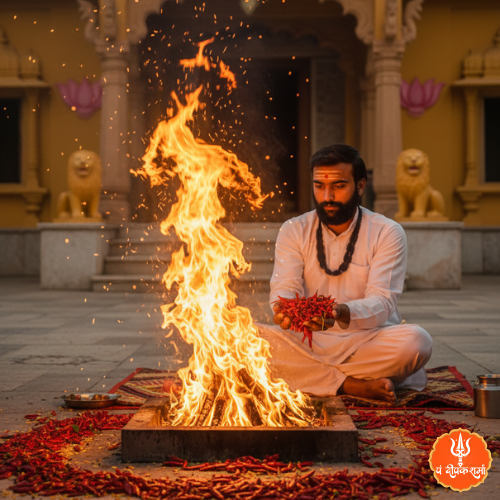
Introduction to Baglamukhi Havan Baglamukhi Havan is a revered ritual dedicated to Devi Baglamukhi, one of the ten Mahavidyas in Hinduism. This sacred ceremony is performed to invoke the divine blessings of the goddess, who is known for her power to grant protection, wisdom, and success. The havan involves an elaborate process that aligns with Vedic traditions, aimed at removing obstacles and enhancing spiritual growth. The Importance of Baglamukhi Havan The significance of the Baglamukhi Havan lies in its ability to channel divine energy for personal transformation. It is particularly beneficial for individuals seeking to overcome challenges in their professional and personal lives. The ritual is believed to help in achieving clarity of thought, strengthening willpower, and fostering a sense of inner peace. This havan is also recommended for those facing legal troubles or obstacles in their careers. By performing this ritual, devotees seek the blessings of Baglamukhi Mata to help them navigate through life’s difficulties with grace and confidence. Mythological Background According to Hindu mythology, Devi Baglamukhi is known as the goddess who can immobilize enemies and protect her devotees from harm. She is depicted as a powerful figure who wields a staff that symbolizes authority and control. The mythological stories surrounding her emphasize the importance of wisdom and discernment in overcoming adversities. The Baglamukhi Havan is often performed during auspicious times to maximize its effectiveness. Devotees believe that by invoking the goddess’s name and performing the rituals accurately, they can invite her divine presence into their lives. Vidhi (Procedure) for Baglamukhi Havan Performing the Baglamukhi Havan involves several steps, each essential for ensuring the ritual’s success. Below is the detailed vidhi: Step 1: Preparation Gathering Materials: Collect all necessary items such as the havan kund (sacred fire pit), samagri (ritual offerings), ghee, and specific herbs. It’s essential to have a clean and sacred environment for the ritual. Choosing the Right Time: Selecting an auspicious day and time is crucial. The best time for performing this havan is on a Tuesday or during the Shukla Paksha (waxing phase of the moon). Step 2: Ritual Invocation Purification: Begin by purifying the space. Sprinkle water and chant mantras to cleanse the environment. Lighting the Fire: Light the fire in the havan kund using dry wood and ghee, invoking the presence of Devi Baglamukhi. Step 3: Offering Samagri Reciting Mantras: As you offer the samagri into the fire, recite the specific mantras dedicated to Devi Baglamukhi. One such mantra is: “ॐ ह्लीं बगलामुखि सर्वविघ्न नाशाय ह्लीं स्वाहा” (Om Hleem Baglamukhi Sarva Vighna Nashaya Hleem Swaha) Making Offerings: Offer items such as grains, fruits, and flowers while chanting the mantra, focusing on your intentions for protection and success. Step 4: Concluding the Havan Pradakshina: Circumambulate the havan kund while continuing to chant the mantras, signifying your devotion and respect. Prasad Distribution: After the havan, distribute the prasad (sacred food) to all participants, symbolizing the blessings received from the goddess. When to Perform Baglamukhi Havan The Baglamukhi Havan can be performed at various times, particularly during: Personal challenges or transitions in life. Legal issues or disputes, to seek resolution. Career changes, especially during job searches or promotions. Do’s and Don’ts Do’s Perform the havan with a pure heart and focused intention. Ensure the space is clean and free from distractions. Engage in meditation before and after the ritual to enhance your connection with the divine. Don’ts Avoid performing the havan during inauspicious times or when feeling negative. Do not share the offerings before the havan is completed. Refrain from using impure items during the ritual. Nalkheda Temple Connection The sacred Nalkheda Baglamukhi Temple is a renowned site for performing the Baglamukhi Havan under the guidance of experienced priests. Devotees from all over visit this temple to seek the blessings of Devi Baglamukhi, especially during festivals or significant personal events. Located in Agar Malwa district, Madhya Pradesh, the temple attracts numerous visitors who wish to participate in various rituals and havans, facilitated by Pandit Deepak Sharma, a dedicated priest with over 25 years of experience. FAQ What are the benefits of performing Baglamukhi Havan?Performing the Baglamukhi Havan is believed to provide protection from enemies, enhance career prospects, and offer relief from legal disputes. It is a powerful tool for those seeking spiritual growth and clarity in their lives. Can I perform the havan at home?Yes, the Baglamukhi Havan can be performed at home. However, it is advisable to have the guidance of an experienced pandit to ensure that the rituals are conducted correctly and effectively. How often should I perform the havan?It is recommended to perform the havan as needed, especially during times of difficulty or when significant changes are occurring in your life. Regular performance can enhance its benefits. What items are needed for the havan?The essential items include the havan kund, ghee, samagri (offerings such as grains and herbs), and water for purification. Specific items may vary based on personal intentions. When is the best time to perform the havan?The best time to perform the Baglamukhi Havan is during auspicious days, especially on Tuesdays or during the waxing phase of the moon. Consulting a pandit for timing can also be beneficial. Is there any specific mantra to be recited during the havan?Yes, the mantra “ॐ ह्लीं बगलामुखि सर्वविघ्न नाशाय ह्लीं स्वाहा” is commonly recited during the havan, invoking the goddess’s blessings for overcoming obstacles. Agar aap is pooja ko proper Vedic vidhi ke saath karwana chahte hain, toh Nalkheda ke experienced pandit Pandit Deepak Sharma se margdarshan le sakte hain. Woh traditional Baglamukhi pooja aur havan ko shuddh vidhi se karte hain.
The Sacred Baglamukhi Havan: A Guide to Performing Rituals for Peace and Protection

Introduction to Baglamukhi Havan Baglamukhi Devi, one of the revered Mahavidyas in Hinduism, embodies the power of speech and the ability to conquer adversities. The Baglamukhi Havan is a sacred ritual that invokes her blessings for peace, success, and protection from negative influences. Performing this havan not only purifies the surroundings but also enhances the spiritual aura of the devotee, enabling them to overcome obstacles in life. In this guide, we will explore the detailed vidhi (procedure) of Baglamukhi Havan, its significance, and the associated mantras that are essential for this sacred practice. Significance of Baglamukhi Havan The Baglamukhi Havan is primarily performed for the removal of obstacles, protection from enemies, and success in various endeavors. It is particularly beneficial for those facing legal troubles, career challenges, or any form of negativity in their lives. The havan invokes the divine energy of Baglamukhi Mata, who aids her devotees in overcoming their fears and helps them attain their goals. Moreover, it is believed that the havan creates a protective shield around the devotee, safeguarding them from all harmful energies and misfortunes. This ritual is a pathway to spiritual growth and enlightenment, leading to a more peaceful and fulfilled life. Materials Required for Baglamukhi Havan To perform Baglamukhi Havan, one needs specific materials that are considered sacred in Hindu rituals. The essential items include: Havan Kund: A square or rectangular fire pit made of metal or clay. Havan Samagri: A mixture of herbs, ghee, and sacred offerings specifically prepared for the havan. Wood for Havan: Specific types of wood like mango or peepal are preferred for the fire. Flowers and Fruits: Fresh flowers and fruits are offered as a symbol of gratitude. Incense Sticks and Camphor: To purify the atmosphere and create a spiritual ambiance. Water and Rice: For performing achaman (purification) before the rituals. Vidhi of Baglamukhi Havan The procedure for performing Baglamukhi Havan is meticulous and should be followed with devotion and respect. Here are the detailed steps: 1. Preparation Begin by selecting an auspicious date and time for the havan. It is advisable to consult a knowledgeable pandit for this purpose. Clean the space where the havan will be performed and set up the havan kund at a clean and quiet location. Decorate the area with flowers and ensure all materials are ready. 2. Achaman (Purification) Perform achaman by taking water in your right hand and sipping it three times, each time reciting the mantra: “ॐ कश्यपाय स्वाहा” (Om Kashyapaya Swaha) This step purifies the body and mind, preparing the devotee for the sacred rituals ahead. 3. Invocation of Baglamukhi Devi Light a lamp and incense to create a divine atmosphere. Offer prayers to Baglamukhi Devi, asking for her blessings. You can recite the following mantra: “ॐ ह्लीं बगलामुखि सर्वरक्षणाय नमः” (Om Hleem Baglamukhi Sarvarakshanaya Namah) With a pure heart, invite the divine presence into your havan by visualizing the energy of the Goddess filling the space. 4. Performing the Havan Now, light the fire in the havan kund using the prepared wood and ghee. Once the fire is established, begin offering the havan samagri into the fire while continuously chanting the Baglamukhi mantra: “ॐ ह्लीं बगलामुखि सर्वविघ्न नाशाय ह्लीं” (Om Hleem Baglamukhi Sarvavighna Nashaya Hleem) As you offer each item, visualize your obstacles being burnt away by the divine fire, and your prayers being accepted by the Goddess. 5. Concluding the Havan After completing the offerings, conclude the havan by performing arati (waving of light) in front of the idol or picture of Baglamukhi Devi. Express your gratitude for her blessings and pray for peace and success in your life. Distribute the prasad (sacred offering) among family members and friends as a means of sharing the divine blessings. When to Perform Baglamukhi Havan The Baglamukhi Havan can be performed on various occasions, but it is particularly powerful during: Chaturdashi Tithi (14th lunar day) During the month of Chaitra (March-April) On Tuesdays and Fridays, which are considered auspicious for worshipping Baglamukhi Devi Choosing an auspicious time enhances the effectiveness of the ritual, so it is advisable to seek guidance from a knowledgeable pandit. Do’s and Don’ts of Baglamukhi Havan To ensure the success of the Baglamukhi Havan, adhere to the following practices: Do’s Perform the havan with a pure heart and strong intentions. Dress in clean and traditional attire during the rituals. Maintain silence and concentration while performing the havan. Offer fresh flowers and fruits as a symbol of your devotion. Don’ts Avoid consuming non-vegetarian food or alcohol before and during the ritual. Do not engage in idle talk or distractions. Refrain from using artificial or synthetic items in the havan. Do not perform the havan in an impure or noisy environment. Nalkheda Temple Connection The Nalkheda Baglamukhi Temple, located in Madhya Pradesh, is one of the most revered shrines dedicated to Baglamukhi Devi. Pilgrims visit this temple to seek the blessings of the Goddess, especially during auspicious occasions like Navratri. The temple’s serene environment enhances the spiritual experience, making it an ideal place for performing the Baglamukhi Havan. Many devotees who visit the temple also partake in the havan under the guidance of experienced pandits, ensuring that the rituals are performed with utmost devotion and adherence to Vedic traditions. FAQ What is the main purpose of Baglamukhi Havan? The primary purpose of Baglamukhi Havan is to seek the blessings of Devi Baglamukhi for overcoming obstacles, gaining protection from enemies, and achieving success in various aspects of life. Can I perform the Baglamukhi Havan at home? Yes, Baglamukhi Havan can be performed at home with proper materials and adherence to the rituals. It is advisable to consult an experienced pandit for guidance. What are the benefits of performing Baglamukhi Havan? The benefits include the removal of obstacles in life, protection from negativity, success in legal matters, and overall peace and prosperity. Is there a specific time to perform this havan? While Baglamukhi Havan can be performed at any time, it is particularly effective on auspicious days such as
Baglamukhi Havan: A Sacred Ritual for Success and Protection
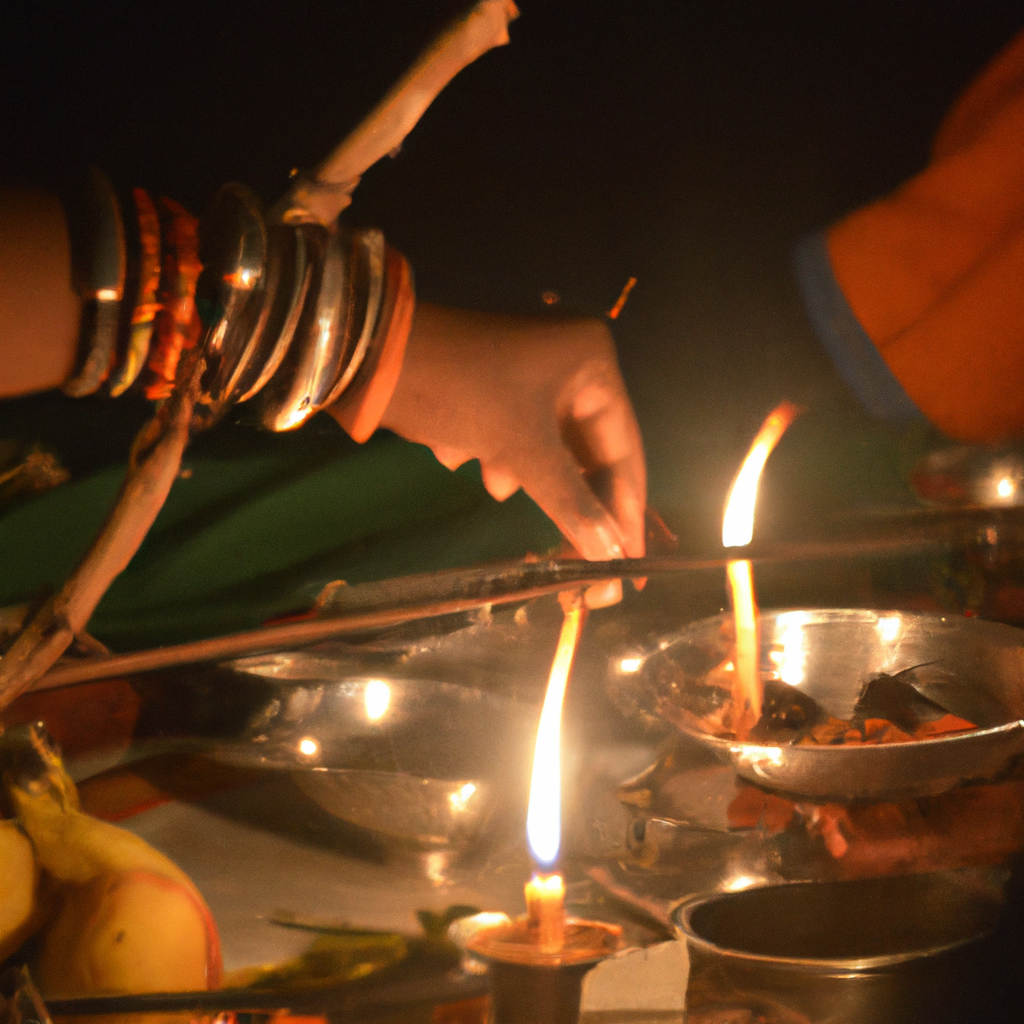
Introduction to Baglamukhi Havan Baglamukhi Havan is a deeply revered ritual dedicated to Goddess Baglamukhi, one of the ten Mahavidyas in Hindu tradition. This sacred ceremony is performed to seek her blessings for success, protection from adversaries, and relief from obstacles. The practice of havan involves offering oblations into the sacred fire while chanting specific mantras, invoking divine energies to assist in various aspects of life. The essence of Baglamukhi Havan lies in its ability to purify the environment and the individual, creating a conducive atmosphere for spiritual and material growth. It is particularly beneficial for those facing challenges in their careers, legal matters, or personal conflicts. Significance of Baglamukhi Havan Goddess Baglamukhi is revered as a deity of knowledge and wisdom. Performing a havan in her honor is believed to invoke her divine protection and guidance. This ritual is especially significant during times of distress, uncertainty, or competition, as it is said to help in overcoming enemies and obstacles. Moreover, the chanting of specific mantras during the havan is intended to align one’s energies with the divine forces, leading to enhanced clarity of thought and action. It is not merely a ritual but a powerful spiritual process that helps devotees connect with the divine. Preparation for the Baglamukhi Havan Before commencing the Baglamukhi Havan, it is essential to prepare adequately. Here are the steps to ensure the havan is performed with the correct Vedic vidhi: Choosing the Right Time: Select an auspicious day for the havan, preferably on a Tuesday or Saturday, as these days are considered beneficial for invoking the energies of Goddess Baglamukhi. Gathering the Materials: Ensure you have all the necessary materials, including: Havan kund (sacred fire pit) Samagri (havan materials) such as ghee, herbs, and grains Flowers and fruits for offerings Incense sticks and camphor Water and rice for purification Purification: Begin with a purification process by sprinkling water mixed with rice around the havan area. This act symbolizes the cleansing of the space and the devotee. Meditation and Invocation: Before starting the havan, engage in a few moments of meditation to center your thoughts. Invoke the presence of Goddess Baglamukhi by chanting her mantra, “ॐ ह्लीं बगलामुखि सर्वविघ्न नाशाय ह्लीं” (Om Hleem Baglamukhi Sarva Vighna Nashaya Hleem), which translates to seeking the removal of all obstacles. Steps to Perform Baglamukhi Havan Once the preparation is complete, follow these steps to perform the Baglamukhi Havan: Lighting the Sacred Fire: Light the havan kund with dry grass and pieces of wood, allowing it to catch fire. As the flames begin to rise, offer a small quantity of ghee to the fire, which is symbolic of offering oneself to the divine. Offering Samagri: Gradually add samagri to the fire while chanting the mantra. Each offering should be accompanied by a heartfelt prayer, expressing your intentions and desires. It is essential to focus on the energy of the fire and visualize your wishes being fulfilled. Chanting the Mantras: Continuously chant the Baglamukhi mantra throughout the havan. This repetition creates a powerful vibrational energy that enhances the effectiveness of the ritual. Conclusion of the Havan: After completing the offerings, conclude the havan by performing aarti (waving of light) in front of the fire and expressing gratitude to Goddess Baglamukhi for her blessings. Offer flowers and fruits as a symbol of devotion. When to Perform Baglamukhi Havan Baglamukhi Havan can be performed at various times depending on individual needs: During Career Transitions: If you are facing challenges in your career or seeking new opportunities, consider performing this havan during a new moon or significant life changes. Before Important Events: It is auspicious to perform the havan before exams, interviews, or court cases to seek blessings for success and protection from negativity. For General Well-Being: Regularly performing the havan can be beneficial for overall peace and prosperity, especially during times of stress or uncertainty. Do’s and Don’ts of the Baglamukhi Havan To ensure the effectiveness of the havan, follow these guidelines: Do’s: Maintain a sincere and focused mindset during the ritual. Use pure and quality materials for the havan. Invite family members to participate, as collective prayer enhances the energy. Don’ts: Avoid negative thoughts or distractions while performing the havan. Do not use synthetic materials; only natural offerings should be made. Avoid performing the havan during inauspicious timings or on days of mourning. Nalkheda Temple Connection The Nalkheda Baglamukhi Temple, located in Agar Malwa district of Madhya Pradesh, is a sacred site dedicated to Goddess Baglamukhi. This temple is renowned for its spiritual ambiance and attracts devotees from all over the country. Visiting this temple and performing the Baglamukhi Havan under the guidance of experienced priests can amplify the benefits of the ritual. Devotees often report profound experiences and transformations after performing the havan in this divine space, making it a significant pilgrimage for those seeking blessings from Goddess Baglamukhi. FAQ What is the main purpose of performing Baglamukhi Havan? The primary purpose of Baglamukhi Havan is to seek the blessings of Goddess Baglamukhi for success, protection from enemies, and the removal of obstacles in life. It is especially beneficial during challenging times when one faces competition or conflict. How often should the havan be performed? The frequency of performing Baglamukhi Havan can vary based on individual needs. Some devotees choose to perform it monthly, while others may do so during significant life events or transitions. Regular performance can enhance overall well-being. Can anyone perform Baglamukhi Havan? Yes, anyone can perform Baglamukhi Havan, but it is advisable to seek guidance from an experienced priest to ensure that the ritual is conducted correctly and with the appropriate intentions. What materials are needed for the havan? Essential materials for Baglamukhi Havan include a havan kund, samagri (sacred offerings like ghee, herbs, and grains), flowers, and water for purification. Using pure and natural materials is crucial for the ritual’s effectiveness. Is it necessary to visit the temple to perform the havan? While it is not mandatory to visit the Nalkheda temple to perform