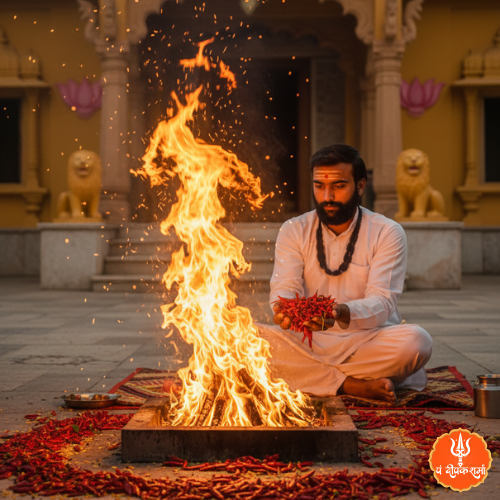
Understanding Baglamukhi Havan for Enemy Removal: A Divine Ritual
Introduction Baglamukhi Havan is a sacred and powerful ritual that is performed to seek the blessings of Devi Baglamukhi, one of the ten Mahavidyas in Hindu mythology. She is revered for her ability to thwart enemies, overcome obstacles, and bestow wisdom upon her devotees. This ritual serves as a divine tool for removing negative influences and adversaries from one’s life. In this article, we will delve into the significance of Baglamukhi Havan specifically for enemy removal, exploring its methodology, benefits, and the deep-rooted mythology that surrounds this revered practice. Meaning of This Ritual The term ‘Havan’ refers to the sacred fire ritual performed to invoke divine energies. In the context of Baglamukhi Havan, it involves chanting specific mantras and offering materials into the fire as a form of worship to the goddess. This ritual is believed to create a protective shield around the devotee, helping them to overcome any obstacles posed by adversaries. The essence of this ritual lies in its ability to channel spiritual energy towards the removal of negativity and the restoration of peace and harmony in one’s life. How This Ritual Helps Baglamukhi Havan for enemy removal is regarded as an effective way to alleviate the troubles caused by rivals or ill-wishers. It is said to enhance one’s confidence and strengthen their resolve in the face of challenges. The ritual may help in turning the tides in favor of the devotee, providing them with the strength to confront and overcome their difficulties. Additionally, performing this Havan can instill a sense of peace and protection, allowing the devotee to focus on their personal and professional growth without fear of external threats. Mythological Background The mythology surrounding Devi Baglamukhi is profound and deeply rooted in Hindu scriptures. She is often depicted as a fierce goddess, adorned with gold and seated on a tiger or a lion. It is believed that she represents the power of speech and has the ability to control enemies through her divine strength. According to ancient texts, once, the gods were unable to defeat the demons who were causing turmoil in the universe. In their time of need, they turned to Devi Baglamukhi, who emerged from the cosmic energies to subdue the demons. One of the most famous tales recounts how she silenced the powerful demon, Madan, who was wreaking havoc. By invoking her name and performing the Havan, the gods were able to gain victory over their adversaries. This narrative highlights the potency of Baglamukhi’s blessings, emphasizing the importance of the Havan for those seeking relief from enemies. In another story, it is said that King Surya was once cursed by a sage and lost his power. In desperation, he performed the Baglamukhi Havan, and by her grace, he was restored to his former glory. This illustrates how the Havan acts as a bridge between the devotee and the divine, facilitating the removal of barriers and adversities. Furthermore, Baglamukhi is also associated with the concept of wisdom and knowledge. She is believed to grant clarity of thought and speech, enabling devotees to articulate their needs and desires effectively. This aspect of the goddess makes the Baglamukhi Havan not only a ritual for protection but also a means of self-empowerment. Who Should Perform This Baglamukhi Havan is especially recommended for individuals facing challenges posed by rivals, whether in personal relationships, professional environments, or legal matters. Those involved in disputes, court cases, or facing harassment may find solace and strength through this ritual. Additionally, anyone seeking to enhance their overall well-being and spiritual growth can benefit from the blessings of Devi Baglamukhi. Step-by-Step Vidhi (Very Detailed) Performing the Baglamukhi Havan involves a series of meticulous steps that must be followed with devotion and faith: Preparation: Begin by purifying the space where the Havan will take place. Cleanse yourself with water and wear clean clothes. Gather the necessary materials, including ghee, specific herbs, and offerings like grains and flowers. Setting Up the Havan Kund: Create a sacred space by constructing a Havan Kund, which is a rectangular or square fire pit. It should be filled with sacred items that will be offered into the fire during the ritual. Invocation: Sit in front of the Havan Kund and light the sacred fire using dry sticks and ghee. Recite the Ganesh Vandana (invocation of Lord Ganesha) to remove obstacles before proceeding with the main ritual. Chanting Mantras: Begin chanting the Baglamukhi mantras, particularly focused on enemy removal. One of the most powerful mantras is, “ॐ ह्लीं बगलामुखि सर्व शत्रुस्तम्भनाय स्वाहा।” It is essential to chant this mantra with devotion and focus. Offering: As you chant the mantras, offer the prepared materials into the fire. This symbolizes surrendering your worries and invoking the goddess’s protection. Concluding the Ritual: After completing the offerings, express your gratitude by thanking Devi Baglamukhi for her blessings. Allow the fire to extinguish naturally, and collect the ash, which is considered sacred. This detailed process should be conducted with utmost reverence and concentration, ensuring that all actions are carried out with sincerity. Mantra for This Ritual The primary mantra for Baglamukhi Havan, especially for enemy removal, is: Devanagari: ॐ ह्लीं बगलामुखि सर्व शत्रुस्तम्भनाय स्वाहा Transliteration: Om Hleem Baglamukhi Sarva Shatrustambhanaya Swaha Meaning: This mantra is an invocation to Devi Baglamukhi, asking her to bind and neutralize all enemies, granting protection and victory over adversities. The syllable ‘Hleem’ is a powerful sound that resonates with the energies of the goddess, making the mantra potent when chanted with faith. Do’s & Don’ts To ensure the effectiveness of the Baglamukhi Havan, consider the following do’s and don’ts: Do’s: Perform the Havan on an auspicious day, preferably during a full moon or on a Tuesday, which is considered favorable for worshipping goddess Baglamukhi. Maintain a pure and focused mindset throughout the ritual. Use fresh and high-quality materials for offerings to ensure the sanctity of the ritual. Don’ts: Avoid distractions and negative thoughts during the Havan. Do not consume non-vegetarian food or alcohol before or during the ritual. Refrain from
Understanding Baglamukhi Havan for Enemy Removal: A Sacred Ritual
Introduction Baglamukhi Havan is a sacred ritual dedicated to Devi Baglamukhi, one of the ten Mahavidyas in Hindu tradition. This powerful havan is specifically performed to remove enemies and obstacles from one’s life. The energy of Baglamukhi Mata is invoked to shield devotees from negativity and to bestow them with strength and protection. In this detailed guide, we will explore the meaning, rituals, and benefits of performing Baglamukhi Havan for enemy removal. Meaning of This Ritual The term ‘Havan’ refers to the ritual of making offerings into a sacred fire, which is considered a divine act to purify one’s surroundings and invoke the blessings of various deities. Baglamukhi, the goddess of speech and power, embodies the essence of knowledge and wisdom. Performing her havan symbolizes the devotee’s intent to eradicate negativity and gain victory over adversaries, thereby creating a more harmonious and prosperous life. How This Ritual Helps Engaging in Baglamukhi Havan for enemy removal can provide various spiritual and psychological benefits. It is believed to: Foster a sense of peace and security. Enhance self-confidence and courage in confrontational situations. Remove obstacles created by adversaries. Empower the devotee to overcome challenges with grace. Through the blessings of Devi Baglamukhi, devotees often find that their lives become more balanced and free from hostility. Mythological Background In Hindu mythology, Devi Baglamukhi is revered for her ability to immobilize enemies and silence negativity. She is often depicted holding a tongue in her hand, symbolizing the power of speech and the ability to control one’s words and actions. Her worship is believed to grant devotees the strength to confront and overcome their foes. According to ancient texts, Baglamukhi’s divine form is said to appear during times of crisis, helping her followers in dire situations. The story of her victory over demons illustrates her protective nature and unwavering resolve. This goddess is also associated with the element of fire, which signifies transformation and purification, making the havan a vital component of her worship. Legends recount that once, when the gods faced difficulties due to the incessant disturbances caused by demons, they invoked Baglamukhi. With her immense power, she vanquished the demons, restoring peace and balance in the universe. This tale emphasizes her role as a protector and a force against adversity, making the Baglamukhi Havan a profound practice for those seeking refuge from their enemies. By understanding the mythology surrounding Devi Baglamukhi, devotees can deepen their connection to the rituals and approach the havan with reverence and intention. Who Should Perform This Baglamukhi Havan is particularly beneficial for individuals facing: Legal disputes or court cases. Challenges in personal or professional relationships. Obstacles in career advancement. General feelings of negativity or hostility from others. Anyone seeking to enhance their protective aura and remove hindrances caused by adversaries may consider participating in this sacred ritual. Step-by-Step Vidhi (Very Detailed) The following steps outline the procedure for conducting a Baglamukhi Havan: Preparation 1. **Gather Materials**: Collect the necessary items for the havan, which typically include: Havan samagri (sacred offerings like ghee, herbs, and grains) A copper or clay havan kund (fire pit) Wooden sticks for the fire Offerings such as flowers and fruits A clean cloth for the altar Incense and diya (oil lamp) 2. **Purification**: Before starting, purify the space by cleaning the area where the havan will be conducted. A clean environment is essential to invoke the divine energies. Setting Up the Havan Kund 3. **Position the Havan Kund**: Place the havan kund in a north-east direction, which is considered auspicious. Ensure that the area is free from distractions. Performing the Havan 4. **Invoke Goddess Baglamukhi**: Begin the ritual by chanting the following invocation mantra: “ॐ ह्लीं बगलामुखि सर्व शत्रुस्तम्भनाय स्वाहा” 5. **Light the Fire**: Use the wooden sticks to ignite the fire in the havan kund. It is important to ensure that the fire is pure and strong. 6. **Offerings**: As the fire burns steadily, gradually add the havan samagri into the fire while chanting the following mantra: “ॐ ह्लीं बगलामुखि सर्वविघ्न नाशाय ह्लीं फट्” This mantra invokes the goddess’s blessings to remove all obstacles and negativity. Concluding the Havan 7. **Complete the Ritual**: After making the offerings, conclude the havan with a prayer, thanking Devi Baglamukhi for her protection and blessings. 8. **Distribution of Prasad**: Share the prasad (blessed offerings) among participants, symbolizing the goddess’s gracious presence. Post-Havan Rituals 9. **Meditation and Reflection**: After the havan, spend some time in meditation, reflecting on the rituals performed and the blessings received. Mantra for This Ritual The following mantra is central to the performance of Baglamukhi Havan: “ॐ ह्लीं बगलामुखि सर्व शत्रुस्तम्भनाय स्वाहा” **Transliteration**: Om Hleem Baglamukhi Sarva Shatrustambhanaya Swaha **Meaning**: This mantra is a powerful invocation for the removal of enemies and obstacles. By chanting this mantra, devotees seek the goddess’s assistance to immobilize their adversaries and protect themselves from negative influences. Do’s & Don’ts Do’s: Perform the ritual with a pure heart and positive intentions. Ensure the havan is conducted in a clean and sacred space. Use fresh and pure havan samagri for offerings. Invite family members or trusted friends to participate, enhancing the collective energy. Don’ts: Avoid negative thoughts or distractions during the ritual. Do not consume non-vegetarian food or alcohol before the havan. Refrain from speaking ill of others during the process. Do not rush through the rituals; maintain a calm and respectful demeanor. When to Perform Baglamukhi Havan can be performed at any auspicious time, but certain days are particularly favored, such as: The full moon day (Purnima) During Navratri, specifically on the day dedicated to Devi Baglamukhi On Tuesdays and Fridays, which are considered auspicious for goddess worship Nalkheda Temple Connection The Nalkheda Baglamukhi Temple in Madhya Pradesh is a revered site for devotees seeking the blessings of Devi Baglamukhi. Pilgrims visit this temple to perform the havan under the guidance of experienced priests, including Pandit Deepak Sharma. The serene atmosphere of the temple enhances the spiritual experience, making it an ideal place for conducting Baglamukhi Havan. FAQ What
Baglamukhi Havan for Enemy Removal: A Sacred Vedic Ritual
Introduction In the realm of Vedic rituals, the Baglamukhi Havan holds a significant position, especially for those seeking relief from enemies and obstacles. Devi Baglamukhi, one of the ten Mahavidyas, is revered for her power to silence adversaries and grant victory. Performing a Havan dedicated to her can help devotees find peace and protection from negative influences. Meaning of This Ritual Baglamukhi Havan is a sacred fire ritual that involves the invocation of Devi Baglamukhi. The term ‘Havan’ refers to the offering made into the sacred fire, which is believed to carry the prayers and intentions of the devotee to the divine. The ritual symbolizes the burning away of negativity and adversities in one’s life, especially those stemming from enemies. How This Ritual Helps The Baglamukhi Havan is believed to empower the devotee by invoking the divine energy of Devi Baglamukhi. This ritual is particularly effective in: Overcoming obstacles posed by enemies. Bringing clarity and focus in challenging situations. Providing protection from negative influences. Granting the strength to face adversities with confidence. Mythological Background According to Hindu mythology, Devi Baglamukhi is depicted as a powerful deity who can silence opponents and protect her devotees. She is often shown holding a tongue in her hand, symbolizing her ability to control speech and render enemies powerless. The tale of her divine intervention during battles, where she aided her devotees in overcoming their adversaries, is well-known. Her blessings are sought for success in legal matters, conflicts, and disputes. In one ancient scripture, it is narrated that a king, besieged by enemies, sought the blessings of Baglamukhi. After performing her Havan, he emerged victorious against all odds. This story serves as a testament to the power of faith and the efficacy of rituals performed with devotion. Moreover, the association of Baglamukhi with the element of fire during Havan rituals symbolizes transformation and purification. The offerings made into the fire are believed to carry the devotee’s intentions upward, facilitating divine intervention. Who Should Perform This The Baglamukhi Havan is recommended for individuals facing: Legal disputes or court cases. Harassment or bullying from adversaries. Challenges in personal or professional relationships. Obstacles in career advancement. Step-by-Step Vidhi (Very Detailed) To perform the Baglamukhi Havan, follow these detailed steps: Preparation 1. **Gather Materials**: Collect the necessary items including: Havan Kund (fire pit) Havan samagri (materials for offering such as ghee, grains, herbs) Flowers and fruits for offerings A picture or idol of Devi Baglamukhi 2. **Purification**: Cleanse the area where the Havan will take place, ensuring it is free from any negative energies. Take a bath and wear clean, preferably white, clothes to maintain purity. Performing the Havan 3. **Establish the Havan Kund**: Place the Havan Kund in the center of the prepared area. Ensure it is stable and surrounded by offerings. 4. **Invoke the Divine**: Sit facing the east or north, light the fire in the Kund, and begin by chanting the following mantra: “ॐ ह्लीं बगलामुखि सर्व शत्रुस्तम्भनाय स्वाहा” 5. **Offerings**: Gradually add the Havan samagri to the fire while continuously chanting the mantra. Each offering should be accompanied by a prayer for the removal of obstacles and enemies. 6. **Conclude the Havan**: After all offerings are made, conclude the ritual with a final prayer to Devi Baglamukhi, expressing gratitude for her blessings and protection. Mantra for This Ritual The primary mantra for the Baglamukhi Havan is: “ॐ ह्लीं बगलामुखि सर्व शत्रुस्तम्भनाय स्वाहा” Transliteration: Om Hlim Baglamukhi Sarva Shatrustambhanaya Swaha Meaning: This mantra invokes Devi Baglamukhi to provide protection and silence all enemies. It is a powerful affirmation of one’s intention to overcome adversaries with divine assistance. Do’s & Don’ts Do’s: Perform the Havan with utmost devotion and sincerity. Use pure and fresh materials for the Havan. Invite family members or close friends to join in the ritual, enhancing the collective energy. Don’ts: Avoid performing the Havan in a cluttered or impure environment. Do not rush through the rituals; take your time to connect with the divine. Refrain from negative thoughts during the ritual; maintain a positive mindset. When to Perform The Baglamukhi Havan can be performed at any auspicious time, especially during: Navratri, dedicated to the worship of the Divine Feminine. On the day of a significant court case or important decision. When faced with continuous obstacles or problems from adversaries. Nalkheda Temple Connection The Nalkheda Baglamukhi Temple, located in Madhya Pradesh, is a revered site for devotees seeking the blessings of Devi Baglamukhi. Visiting this temple enhances the power of the Havan, as the energy of the sacred space amplifies the intentions of devotees. It is highly encouraged to perform the Havan at the temple under the guidance of experienced priests like Pandit Deepak Sharma, who can assist in conducting the rituals according to Vedic traditions. FAQ What is the significance of Baglamukhi Havan? Baglamukhi Havan is significant for removing obstacles and enemies, providing protection and success in various aspects of life. How often can I perform the Baglamukhi Havan? It can be performed as often as needed, especially during times of conflict or legal issues. Can I perform this Havan at home? Yes, the Havan can be performed at home, preferably in a clean and sacred space. What materials are required for the Havan? You will need a Havan Kund, Havan samagri, flowers, fruits, and a picture or idol of Devi Baglamukhi. Is there a specific day to perform this Havan? While it can be performed anytime, auspicious days like Navratri are particularly favorable. How can I ensure the success of the Havan? Success depends on the sincerity of your intentions, the quality of your offerings, and performing the ritual with devotion. Agar aap is pooja ko proper Vedic vidhi ke saath karwana chahte hain, toh Nalkheda ke experienced pandit Pandit Deepak Sharma se margdarshan le sakte hain. Woh traditional Baglamukhi pooja aur havan ko shuddh vidhi se karte hain.
Baglamukhi Havan for Enemy Removal: A Divine Ritual
Introduction Baglamukhi Havan, dedicated to Devi Baglamukhi, is a powerful ritual that seeks to remove obstacles and enemies from one’s life. This sacred ceremony is rooted in ancient Vedic traditions and is believed to invoke the divine blessings of the goddess to protect devotees from adversarial forces. In today’s world, where conflicts and challenges arise frequently, performing the Baglamukhi Havan can provide spiritual strength and peace of mind. Meaning of This Ritual The term ‘Havan’ refers to a fire ritual where offerings are made to the sacred fire, symbolizing the divine energy of the goddess. Baglamukhi, one of the ten Mahavidyas, embodies the power of speech and the ability to overcome negative influences. This ritual holds profound significance, as it not only serves to appease the goddess but also acts as a protective shield against enemies and adversities. How This Ritual Helps Engaging in the Baglamukhi Havan is said to help devotees in several ways: Enemy Removal: The primary benefit is the removal of enemies and negative influences from one’s life. Protection: It is believed to provide protection against ill-wishes and malicious intentions directed towards the devotee. Strength and Courage: This ritual empowers individuals, instilling them with the strength to face challenges confidently. Spiritual Growth: Performing this Havan enhances spiritual awareness and connection with the divine. Mythological Background The origins of Baglamukhi Havan can be traced back to ancient texts that recount the exploits of Devi Baglamukhi. She is often depicted as a fierce goddess who can immobilize enemies and protect her devotees from harm. According to mythology, once the gods faced a formidable demon named Madhu-Kaitabh, who threatened the cosmic order. In their time of distress, they invoked the goddess Baglamukhi, who emerged from the divine realm to defeat the demon with her powerful mantras and fierce energy. This narrative underscores the protective nature of Devi Baglamukhi and her ability to silence enemies, making her devotees invincible. The ritual of Havan, therefore, not only serves to honor her but also to seek her blessings for overcoming adversaries. Another story highlights how sage Durvasa, known for his temper, once cursed a king. The king, in despair, turned to Devi Baglamukhi, performing the Havan with utmost devotion. The sage’s curse was nullified, showcasing the efficacy of the ritual in overcoming dire situations. Who Should Perform This The Baglamukhi Havan is particularly beneficial for individuals facing: Legal issues or court cases Workplace conflicts or rivalries Personal disputes with friends or family Situations involving harassment or manipulation General feelings of being overwhelmed by adversaries Step-by-Step Vidhi (Very Detailed) Performing the Baglamukhi Havan requires careful adherence to Vedic rituals. Here is a detailed guide: Preparation 1. **Select an Auspicious Date:** It is advisable to perform the Havan on auspicious days, preferably during Shukla Paksha (waxing moon). Consult a pandit for specific timings. 2. **Gather Required Materials:** Collect all necessary materials including: Havan samagri (sacred offerings) Ghee (clarified butter) Wooden sticks or samidha Flowers and fruits for offerings Water for purification Setting Up the Havan 3. **Create a Sacred Space:** Choose a clean, quiet place for the Havan. Set up a Havan kund (fire pit) in the center. Ensure the area is free from distractions. 4. **Purify the Space:** Before beginning, purify the space by sprinkling holy water and chanting a few prayers to invoke divine presence. Performing the Havan 5. **Light the Sacred Fire:** Use dry wood and samidha to light the fire in the Havan kund. Once the fire is established, offer ghee while chanting the mantra: “ॐ ह्लीं बगलामुखि सर्व शत्रुस्तम्भनाय स्वाहा” 6. **Make Offerings:** As the fire burns, offer Havan samagri into the flames while repeating the Baglamukhi mantra. Visualize your enemies being neutralized and obstacles being cleared. 7. **Chanting Mantras:** Continue chanting specific mantras dedicated to Devi Baglamukhi for the duration of the Havan. Maintain focus and devotion throughout the process. Concluding the Ritual 8. **Closing Prayers:** After completing the offerings, recite closing prayers, thanking Devi Baglamukhi for her blessings. Allow the fire to extinguish naturally. 9. **Distribute Prasad:** Once the Havan is complete, distribute the prasad (offered food) among family and friends as a token of blessings. Mantra for This Ritual The primary mantra used during the Baglamukhi Havan is: “ॐ ह्लीं बगलामुखि सर्व शत्रुस्तम्भनाय स्वाहा” **Transliteration:** Om Hleem Baglamukhi Sarva Shatrustambhanaya Swaha **Meaning:** This mantra is a powerful invocation to Devi Baglamukhi, requesting her to still all enemies and protect the devotee from harm. It is believed that chanting this mantra with sincerity and focus can lead to significant relief from adversities. Do’s & Don’ts Do’s: Perform the Havan with a pure heart and intention. Follow the rituals as prescribed for maximum effectiveness. Maintain a calm and focused environment during the Havan. Don’ts: Avoid engaging in negative thoughts or distractions during the ritual. Do not use non-purified materials for the Havan. Refrain from discussing negative matters during or after the Havan. When to Perform The Baglamukhi Havan can be performed at any time when one feels the need for protection or removal of enemies. However, specific auspicious days such as Navratri, full moons, or during specific planetary alignments are particularly beneficial. Nalkheda Temple Connection The Nalkheda Baglamukhi Temple, situated in Madhya Pradesh, is a revered place for devotees seeking blessings from Devi Baglamukhi. Visiting this temple after performing the Havan can enhance the effects of the ritual, as the energy of the temple amplifies the spiritual benefits gained during the Havan. FAQ What is the significance of Baglamukhi Havan?Baglamukhi Havan is significant for removing obstacles and enemies, providing protection, and enhancing spiritual strength. Who can perform this Havan?Anyone facing adversities, legal issues, or conflicts can perform the Baglamukhi Havan for relief and protection. How often should I perform the Havan?The Havan can be performed as needed, particularly during challenging times or for specific issues requiring divine intervention. What materials are required for the Havan?Materials include Havan samagri, ghee, wooden sticks, flowers, and water for purification. Can I perform the Havan at home?Yes, the Baglamukhi Havan can be
The Importance of Baglamukhi Havan for Overcoming Enemies
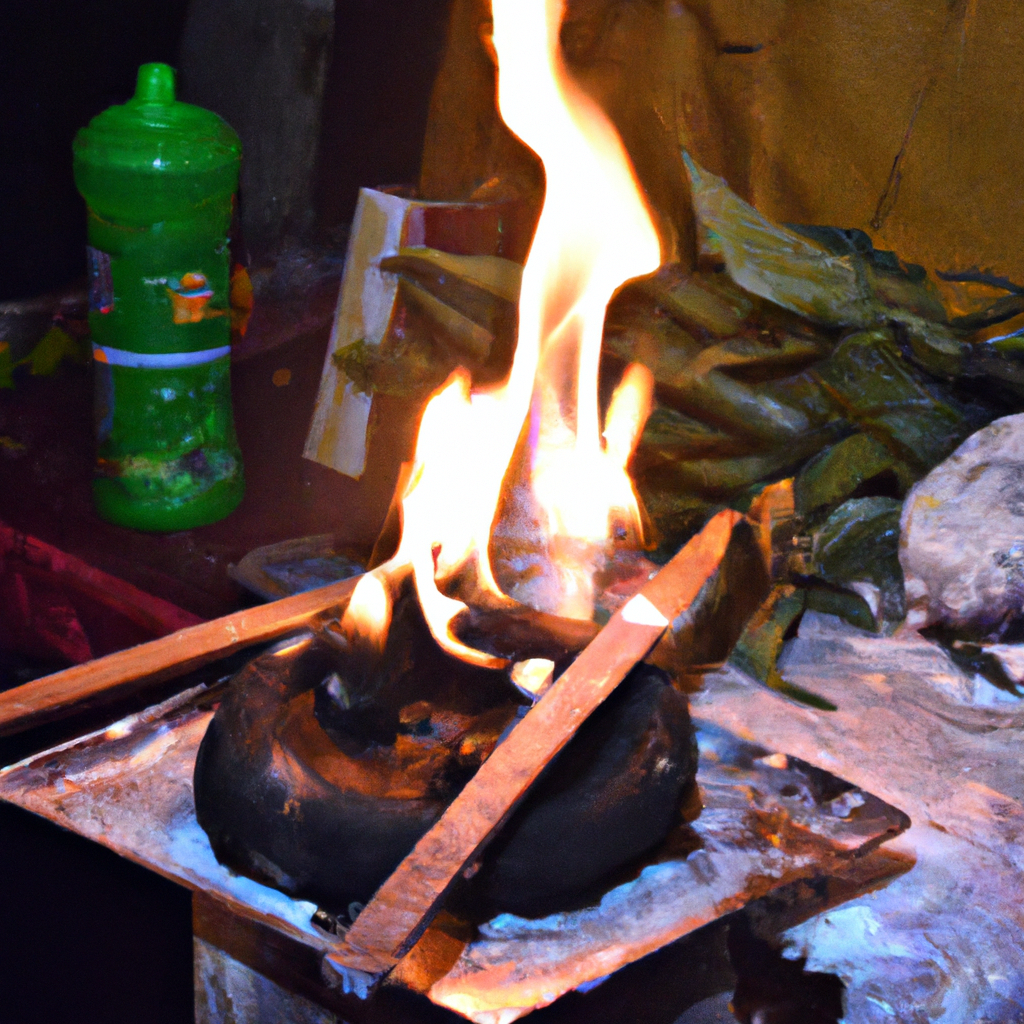
Introduction In the spiritual realm of Hinduism, the significance of rituals is profound, and among these, the Baglamukhi Havan holds a special place. This ritual is dedicated to Devi Baglamukhi, a fierce aspect of the divine feminine, known for her power to silence enemies and protect her devotees from harm. Over the years, countless individuals have turned to this sacred practice to seek her blessings in various aspects of life, especially in overcoming adversities posed by enemies. Baglamukhi Mata is one of the ten Mahavidyas, representing wisdom and the power to control one’s circumstances. In today’s fast-paced world, many face challenges from competitors, rivals, and even personal adversaries. Engaging in the Baglamukhi Havan is believed to invoke the goddess’s protective energies, bringing peace and resolution to conflicts. This article will delve deep into the vidhi (ritual process) of performing the Baglamukhi Havan, the mantras associated with it, the do’s and don’ts, and the auspicious timings for this powerful ritual. We will also explore the connection to the Nalkheda Temple, where devotees flock to seek the blessings of Devi Baglamukhi. The Mythology Behind Baglamukhi Baglamukhi, also known as Pitambara, embodies the essence of speech and communication, and is often depicted as a goddess who can paralyze opponents through her divine power. The mythology surrounding her is rich and varied, with stories emphasizing her role in protecting her devotees from negative influences and enemies. According to ancient texts, when the demons challenged the gods, it was Devi Baglamukhi who stepped in to restore balance. By invoking her blessings, devotees believe they can shield themselves from adversaries and ill-willed individuals. The Ritual Structure of Baglamukhi Havan Performing the Baglamukhi Havan involves several steps, each significant in its own right. The vidhi (ritual) can be carried out at home or at a temple like the Nalkheda Temple, under the guidance of an experienced priest like Pandit Deepak Sharma. Materials Required Havan kund (sacred fire pit) Ghee (clarified butter) Wooden sticks (for the fire) Herbs and medicinal plants Rice and other offerings Puja samagri (items for worship) Flowers and incense Step-by-Step Vidhi Preparation: Clean the space where the havan will be conducted, setting up the havan kund at the center. Invocation: Begin by invoking the presence of Devi Baglamukhi through a prayer. Offering: Add ghee and wood to the fire, making sure to chant the mantras associated with the havan. Mantra Recitation: Recite the following powerful mantra for overcoming enemies: ॐ ह्लीं बगलामुखि सर्व शत्रुस्तम्भनाय स्वाहा Om Hleem Baglamukhi Sarva Shatrustambhanaya Swaha (Meaning: I invoke the power of Baglamukhi to paralyze all my enemies.) Conclusion: Complete the havan with a final prayer for peace and protection. When to Perform the Havan Timing plays a crucial role in the effectiveness of the Baglamukhi Havan. It’s recommended to perform this ritual on auspicious days such as: During the waxing phase of the moon (Shukla Paksha) On Fridays or during Navratri When facing specific challenges with enemies or obstacles Consulting an experienced priest can provide insights into the best timing based on your individual circumstances. Do’s and Don’ts Do’s Conduct the havan with a pure heart and focused intention. Wear clean, traditional attire while performing the ritual. Maintain a peaceful environment, free from distractions. Don’ts Avoid performing the havan during inauspicious timings. Do not engage in negative thoughts while performing the ritual. Refrain from using impure items in the havan. The Connection to Nalkheda Temple The Nalkheda Temple, dedicated to Devi Baglamukhi, is a revered site for conducting this powerful havan. Devotees travel from far and wide to seek her blessings for various purposes, including overcoming personal adversaries. The temple’s serene atmosphere enhances the spiritual experience, making it an ideal place for performing the Baglamukhi Havan. Those who wish to perform the havan at this sacred site can contact Pandit Deepak Sharma for guidance on the rituals and necessary preparations. FAQ 1. What is the significance of Baglamukhi Havan? Baglamukhi Havan is significant for invoking the goddess’s blessings, particularly for overcoming enemies and obstacles in life. It is believed to provide protection and peace. 2. When is the best time to perform the havan? The best time to perform the havan is during the waxing phase of the moon, especially on Fridays or during auspicious festivals like Navratri. 3. What materials are needed for the havan? Materials include a havan kund, ghee, wooden sticks, herbs, rice, and puja samagri. It’s essential to use pure items for the ritual. 4. Can I perform the havan at home? Yes, the havan can be performed at home, but it is recommended to consult an experienced priest for proper guidance and to ensure the ritual is conducted correctly. 5. What mantras should be recited during the havan? The primary mantra for overcoming enemies is: ॐ ह्लीं बगलामुखि सर्व शत्रुस्तम्भनाय स्वाहा, which invokes the goddess’s power to paralyze adversaries. 6. Is there any specific attire required for the havan? While there is no strict rule, wearing clean, traditional attire is recommended to maintain a respectful and pure atmosphere during the ritual. Agar aap is pooja ko proper Vedic vidhi ke saath karwana chahte hain, toh Nalkheda ke experienced pandit Pandit Deepak Sharma se margdarshan le sakte hain. Woh traditional Baglamukhi pooja aur havan ko shuddh vidhi se karte hain.
The Spiritual Significance of Baglamukhi Havan: A Complete Guide
Introduction to Baglamukhi Havan Baglamukhi Mata, revered among the ten Mahavidyas, embodies the power of speech and the ability to overcome adversities. The Baglamukhi Havan is a sacred ritual that invites the divine energy of Mata Baglamukhi into our lives, helping devotees to dispel negativity, overcome obstacles, and attain success in various aspects. This article delves into the significance, procedures, and benefits of performing the Baglamukhi Havan, guiding you through the spiritual journey. Understanding Baglamukhi Havan The Baglamukhi Havan is a powerful Vedic ritual that involves the worship of Devi Baglamukhi through the offering of sacred oblations (havis) into the fire. This ritual is particularly beneficial for those seeking relief from legal troubles, career obstacles, and enemy conflicts. The essence of this havan is to invoke the divine blessings of the goddess, ensuring victory and protection from all forms of negativity. Mythological Background According to Hindu mythology, Devi Baglamukhi is known for her ability to control speech and overcome adversaries. She is depicted seated on a tiger, symbolizing her fierce nature and her readiness to protect her devotees. The significance of her havan is rooted in ancient scriptures, which state that through sincere devotion and the correct performance of rituals, devotees can achieve spiritual upliftment and worldly success. Vidhi of Baglamukhi Havan 1. Preparation for the Havan Before commencing the Baglamukhi Havan, it is essential to purify the space where the ritual will be performed. Clean the area thoroughly and set up an altar adorned with images or idols of Devi Baglamukhi. Gather all necessary materials, including: Havan samagri (sacred offerings) Ghee (clarified butter) Wooden sticks for the fire Incense and flowers Water and Panchamrit (a mixture of milk, yogurt, ghee, honey, and sugar) Ensure that you are wearing clean clothes and have taken a bath to purify yourself before starting the ritual. 2. Sankalp (Intention Setting) With a pure heart, sit in front of the altar and take a moment to meditate. Focus on your intentions for the havan, whether it is to overcome legal challenges, achieve career success, or seek protection from enemies. Offer your prayers to Devi Baglamukhi, expressing your desires sincerely. 3. Performing the Havan Light the fire in the havan kund (sacred fire pit) using the wooden sticks. Once the flames are steady, begin offering the havan samagri into the fire while chanting the following mantra: “ॐ ह्लीं बगलामुखि सर्वविघ्न नाशाय ह्लीं फट्” (Om Hleem Baglamukhi Sarvavighna Nashaya Hleem Phat) This mantra is specifically meant to invoke the blessings of Devi Baglamukhi for the removal of obstacles. Continue to offer the samagri and chant the mantra, visualizing the divine energy enveloping you and your surroundings. 4. Concluding the Havan Once you have completed the offerings, conclude the havan with a prayer of gratitude to Devi Baglamukhi. Offer aarti (a ceremonial light offering) to the goddess and distribute prasad (blessed food) among the attendees. It is customary to reflect on the experience and maintain a positive mindset moving forward. When to Perform Baglamukhi Havan The Baglamukhi Havan can be performed at any auspicious time, but it is especially recommended during: Shukla Paksha (waxing phase of the moon) On Tuesdays and Fridays During Navratri, particularly on Ashtami and Navami These timings are believed to enhance the power of the havan and align the energies with the divine presence of Devi Baglamukhi. Do’s & Don’ts of Baglamukhi Havan Do’s Perform the havan with a pure heart and sincere intentions. Use organic materials for the havan samagri. Maintain a calm and focused atmosphere during the ritual. Don’ts Avoid any negative thoughts or distractions while performing the ritual. Do not consume non-vegetarian food or alcohol on the day of the havan. Refrain from discussing worldly matters until the havan is completed. Baglamukhi Temple Connection The Baglamukhi Temple in Nalkheda is a revered pilgrimage site dedicated to Devi Baglamukhi. Devotees from across the country visit this sacred temple to seek blessings and perform rituals under the guidance of experienced pandits. The atmosphere of devotion and spiritual energy in the temple enhances the effectiveness of rituals such as the Baglamukhi Havan. FAQ What are the benefits of performing Baglamukhi Havan? The Baglamukhi Havan is believed to provide relief from legal issues, enhance career prospects, and protect against enemies. Many devotees report experiencing a sense of peace and clarity of mind after performing this ritual. Can the havan be performed at home? Yes, the Baglamukhi Havan can be performed at home, provided you have a clean and dedicated space for the ritual. It is advisable to seek guidance from a knowledgeable pandit to ensure the correct procedure is followed. What materials are needed for the havan? Essential materials include havan samagri, ghee, wooden sticks for the fire, incense, flowers, and water. All items should be pure and preferably sourced from religious suppliers for authenticity. Is there a specific time to perform the havan? While the havan can be performed at any time, auspicious days like Tuesdays and Fridays, as well as during Navratri, are considered particularly favorable. How can I ensure the success of my havan? Ensuring success in your havan involves performing it with a pure heart, sincere intentions, and adherence to the Vedic vidhi. Meditative focus and devotion are key elements that enhance the efficacy of the ritual. What is the significance of the mantra used in the havan? The mantra “ॐ ह्लीं बगलामुखि सर्वविघ्न नाशाय ह्लीं फट्” is a powerful invocation that calls upon Devi Baglamukhi to remove obstacles and grant victory over challenges. Its chanting during the havan aligns the devotee’s intentions with divine energy. Agar aap is pooja ko proper Vedic vidhi ke saath karwana chahte hain, toh Nalkheda ke experienced pandit Pandit Deepak Sharma se margdarshan le sakte hain. Woh traditional Baglamukhi pooja aur havan ko shuddh vidhi se karte hain.
Exploring the Sacred Baglamukhi Havan: A Spiritual Journey
Introduction to Baglamukhi Havan Baglamukhi Havan is a revered Vedic ritual dedicated to Devi Baglamukhi, one of the ten Mahavidyas in Hindu tradition. This havan is performed for various purposes, including seeking wisdom, protection from enemies, and overcoming obstacles in one’s life. The essence of this ritual lies in invoking the divine presence of Baglamukhi Mata, who embodies knowledge, power, and the ability to conquer adversities. Mythological Background According to Hindu mythology, Devi Baglamukhi is considered the goddess of speech and the protector of devotees from negative influences. She is depicted as a powerful deity who can silence adversaries and grant victory in disputes. The significance of the Baglamukhi Havan is deeply rooted in the belief that invoking her blessings can lead to the resolution of conflicts and the attainment of success in various endeavors. Significance of Baglamukhi Havan The Baglamukhi Havan is often performed to address issues such as legal matters, career obstacles, and competition in exams. It is believed that through this sacred fire ceremony, devotees can purify their intentions and seek the goddess’s guidance to remove hurdles from their paths. The ritual is also performed for mental clarity and spiritual upliftment. Materials Required for Baglamukhi Havan To perform the Baglamukhi Havan, certain materials are essential: Havan Kund: A fire pit made of metal or clay, specifically designed for conducting havans. Samagri: A mixture of sacred herbs, ghee, and other offerings that are placed in the fire. Flowers and Fruits: Fresh flowers and fruits are offered to the goddess as a gesture of reverence. Mantras: Specific mantras that invoke Devi Baglamukhi’s blessings are recited during the havan. Steps to Perform Baglamukhi Havan Preparation Before starting the havan, it is important to cleanse the space where the ritual will take place. The area should be free from any negative energies. Devotees should take a bath and wear clean, preferably yellow, clothes as a mark of respect to the goddess. Set up the havan kund in the east direction, as it is considered auspicious for conducting rituals. Invoking the Deity Start the havan by lighting the sacred fire in the havan kund. As the flames rise, chant the following mantra to invoke the presence of Devi Baglamukhi: ॐ ह्लीं बगलामुखि सर्वविघ्न नाशाय ह्लीं स्वाहा (Om Hleem Baglamukhi Sarva Vighna Nashaya Hleem Swaha). This mantra is specifically meant to remove all obstacles. Visualize the goddess’s divine form and offer your prayers wholeheartedly. Offering the Samagri Once the fire is established, begin offering the samagri into the flames while continuing to chant the mantra. Each offering is made with devotion, accompanied by the prayer for specific desires—be it success in exams, resolution of legal matters, or overcoming career challenges. Repeat the mantra with each offering. It is vital to maintain concentration during this phase, as this is where the connection with the divine is strengthened. Concluding the Havan After all offerings are made, conclude the havan with a final prayer. Thank Devi Baglamukhi for her blessings, and seek her continued guidance. The remnants of the havan samagri can be collected and distributed among family members as a prasad (blessed offering) to share the divine energy. Do’s and Don’ts During Baglamukhi Havan Do’s Perform the havan with a pure heart and clear intentions. Always recite the mantras with full devotion. Ensure the havan area is clean and serene. Don’ts Avoid using non-pure items in the havan. Do not perform the havan in a noisy or distracting environment. Refrain from consuming alcohol or non-vegetarian food on the day of the havan. Nalkheda Temple Connection The Baglamukhi Temple in Nalkheda is a significant place of worship for devotees seeking to perform the Baglamukhi Havan. This temple holds immense spiritual value and attracts numerous pilgrims throughout the year. The serene atmosphere and the divine presence of Devi Baglamukhi make it an ideal place for conducting havan rituals. Many devotees visit the temple to seek the blessings of the goddess, especially during auspicious days. FAQ What is the best time to perform Baglamukhi Havan?The best time to perform Baglamukhi Havan is during auspicious days like Navratri, full moon days, or on Thursdays, which are considered sacred to Goddess Baglamukhi. Can Baglamukhi Havan be performed at home?Yes, Baglamukhi Havan can be performed at home, provided that you maintain a clean space and follow the proper Vedic procedures. It is advisable to seek guidance from an experienced pandit for best results. What are the benefits of Baglamukhi Havan?Baglamukhi Havan is believed to help in overcoming legal issues, career obstacles, and gaining wisdom. It also promotes mental clarity and spiritual growth, making it beneficial for students and professionals alike. How long does the Baglamukhi Havan take?The duration of the Baglamukhi Havan can vary depending on the specific rituals involved, but it generally takes around one to two hours to complete the entire procedure. Is there any specific mantra for success in exams?Yes, the mantra ॐ ह्लीं बगलामुखि बुद्धि-विजयाय स्वाहा (Om Hleem Baglamukhi Buddhi-Vijayaya Swaha) is specifically recommended for success in educational pursuits and examinations. How can I book a havan at Nalkheda Temple?To book a havan at Nalkheda Temple, you can contact local temple authorities or seek assistance from Pandit Deepak Sharma, who can provide guidance and facilitate the process. Conclusion Performing Baglamukhi Havan is a sacred and transformative experience that can lead to spiritual growth and resolution of life’s challenges. By invoking the blessings of Devi Baglamukhi, devotees can seek her divine guidance and support in overcoming obstacles. If you wish to perform this pooja with the proper Vedic vidhi, then you can seek guidance from Nalkheda’s experienced pandit Pandit Deepak Sharma. He conducts traditional Baglamukhi pooja and havan with pure devotion and adherence to Vedic practices.
Baglamukhi Havan: A Sacred Ritual for Spiritual Strength
Baglamukhi Havan: A Sacred Ritual for Spiritual Strength In the heart of our spiritual landscape lies the revered Baglamukhi Mata, one of the ten Mahavidyas, embodying divine wisdom and strength. The Baglamukhi Temple in Nalkheda, Madhya Pradesh, serves as a sanctuary for devotees seeking her blessings through various rituals, among which the Baglamukhi Havan holds a special place. This sacred ritual not only offers spiritual upliftment but also aids in overcoming life’s challenges. Understanding the Essence of Baglamukhi Havan The Baglamukhi Havan is a powerful fire ritual performed to invoke the blessings of Devi Baglamukhi. It is believed that through this havan, one can gain clarity of thought, protection from enemies, and success in endeavors. The essence of this ritual is rooted in the belief that fire, as a purifying element, can transform negative energies into positive vibrations, thereby attracting prosperity and peace. Historically, Baglamukhi is known for her ability to silence adversaries and grant wisdom. The havan serves as a medium through which devotees express their intentions and seek guidance from the divine. The mantra associated with the Baglamukhi Havan is ॐ ह्लीं बगलामुखि सर्वविघ्न नाशाय ह्लीं (Om Hleem Baglamukhi Sarva Vighna Nashaya Hleem), which translates to invoking the goddess to eliminate all obstacles. Vidhi of Baglamukhi Havan Performing the Baglamukhi Havan requires adherence to specific vidhi (procedures) to ensure its efficacy. Here is a detailed step-by-step guide: Step 1: Preparation Begin by choosing an auspicious day for the havan. It is recommended to perform this ritual on a Saturday or during the auspicious period of Navratri. Clean the space where the havan will be conducted, ensuring it is free from any clutter. Set up a havan kund (fire pit) and gather the necessary materials, including ghee (clarified butter), wood, incense, and offerings like rice and flowers. Step 2: Sankalp (Resolution) Once the havan kund is ready, the devotee should sit comfortably in front of it, facing east. With a pure heart, make a sankalp (resolution) by clearly stating your intentions. It is essential to focus on your desires, whether for career growth, victory in a court case, or overcoming enemies. This intention should be voiced with sincerity, as the energy of your words will be amplified through the havan. Step 3: Lighting the Fire After the sankalp, ignite the fire in the havan kund using dry wood and ghee. As the flames rise, chant the Baglamukhi mantra, ॐ ह्लीं बगलामुखि सर्वविघ्न नाशाय ह्लीं, and visualize the goddess enveloping you in her protective aura. The flames symbolize the destruction of negativity and the emergence of positive energy. Step 4: Offerings As the fire blazes, begin making offerings into the havan. One can offer rice, ghee, and other items while continuously chanting the mantra. Each offering represents the release of your worries and obstacles into the fire, allowing the goddess to take them away. Focus on your intentions with every offering, reinforcing your desires for success and protection. Step 5: Conclusion and Pradakshina Once the offerings are completed, perform a pradakshina (circumambulation) around the havan kund. With each round, express gratitude to Devi Baglamukhi for her blessings. Conclude the ritual with a prayer, thanking her for her divine intervention in your life. Mythological Background According to Hindu mythology, Baglamukhi is revered for her ability to control speech and silence enemies. She is often depicted holding a tongue, symbolizing her power over speech and the ability to protect devotees from slander and ill-will. The significance of the havan is deeply rooted in these stories, where devotees seek her blessings to gain strength and wisdom to overcome life’s adversities. When to Perform Baglamukhi Havan The Baglamukhi Havan can be performed at various times, with specific occasions enhancing its potency. Some of the ideal times include: Navratri: The nine nights dedicated to the worship of the divine feminine are considered highly auspicious for this havan. Saturday: Traditional beliefs suggest that Saturdays are ideal for seeking blessings from Baglamukhi. Before important events: Perform the havan before significant life events such as job interviews, exams, or court cases to seek guidance and protection. Do’s and Don’ts To ensure the successful performance of the Baglamukhi Havan, here are some essential do’s and don’ts: Do’s Perform the ritual with a pure heart and focused mind. Use fresh materials for the offerings, ensuring they are free from any impurities. Maintain a calm ambiance during the ritual to enhance concentration. Don’ts Avoid performing the havan during inauspicious times or when you are in a negative mindset. Do not disturb the ritual once it has begun; maintain a peaceful environment. Refrain from using items that are not traditionally accepted in the havan. Nalkheda Temple Connection The Nalkheda Temple holds profound significance for devotees of Baglamukhi. It is not only a place of worship but also a center for spiritual learning and guidance. Visiting the temple offers devotees a chance to connect with the divine and experience the sacred energy of the goddess. Many pilgrims come here to perform the Baglamukhi Havan under the guidance of Pandit Deepak Sharma, who provides expert direction in conducting these rituals according to Vedic traditions. FAQ What is the significance of Baglamukhi Havan? The Baglamukhi Havan is significant for invoking the blessings of Devi Baglamukhi, helping devotees overcome obstacles, gain clarity, and achieve success in various aspects of life. Can I perform the Havan at home? Yes, the Havan can be performed at home, provided you prepare the space with purity and follow the correct procedures. Is there a specific mantra to chant during the Havan? Yes, the mantra to chant is ॐ ह्लीं बगलामुखि सर्वविघ्न नाशाय ह्लीं, which is focused on removing obstacles. How long does the Havan take? The duration of the Havan can vary; typically, it may take about 1 to 2 hours, depending on the devotee’s dedication and the number of offerings made. Can I participate in the Havan if I am not a Brahmin? Yes, anyone can participate in the Havan. The focus is on devotion and the intent