Baglamukhi Havan for Enemy Removal: A Sacred Ritual for Protection
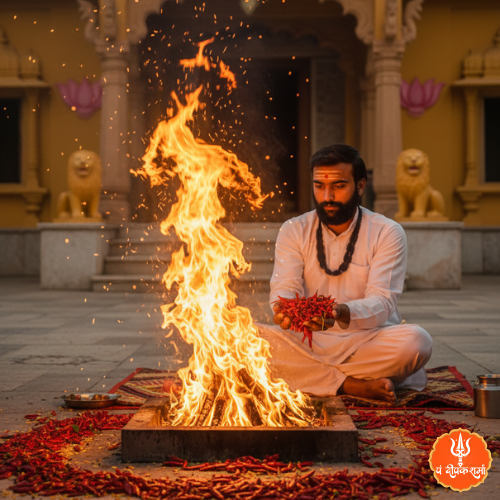
Introduction In the realm of Vedic rituals, the Baglamukhi Havan holds a profound significance, particularly for those seeking protection from enemies. Devi Baglamukhi, one of the ten Mahavidyas, is revered for her power to neutralize adversities and instill confidence in her devotees. The essence of this havan lies in its ability to invoke divine blessings for the removal of obstacles posed by enemies, thus ensuring a harmonious and prosperous life. Meaning of This Ritual The Baglamukhi Havan is not merely a ceremonial practice; it is a sacred invocation of divine energies. The act of performing this havan signifies the surrender of one’s fears and the plea for strength against adversaries. The term ‘Havan’ refers to the ritual of making offerings into the sacred fire, which is believed to carry the prayers and intentions of the devotee to the divine realm. How This Ritual Helps This powerful havan is traditionally performed to ward off negative energies and to seek the blessings of Devi Baglamukhi for protection against enemies. It is believed that through this ritual, one can overcome challenges posed by rivals, competitors, or any form of opposition in life. The havan creates a protective shield around the devotee, fostering an environment of peace and success. Mythological Background According to Hindu mythology, Devi Baglamukhi is depicted as a goddess who has the power to control speech, making her a formidable force against adversaries. The stories surrounding her often highlight her ability to silence the negativity and malice surrounding her devotees. In one popular legend, she is said to have defeated the demon who threatened the peace of her devotees, symbolizing the triumph of good over evil. This narrative forms the backbone of the Baglamukhi Havan, as devotees seek her intervention to overcome their own challenges. The significance of Baglamukhi is also evident in various texts, where she is portrayed as a protector of her followers, granting them the courage and wisdom to face their enemies. The havan, therefore, is not just a ritual; it is an act of devotion that fosters a profound connection with the divine. Furthermore, the Baglamukhi Havan is often performed during auspicious times, specifically on days that hold special significance for the goddess. This enhances the potency of the ritual, aligning the devotee’s intentions with the cosmic energies at play. Who Should Perform This The Baglamukhi Havan is particularly beneficial for individuals facing challenges from enemies or competitors. It is suitable for those involved in legal disputes, business rivalries, or personal conflicts. Additionally, anyone seeking to enhance their protective aura and promote peace in their lives can benefit from this powerful ritual. Step-by-Step Vidhi (Very Detailed) Preparation Before commencing the havan, it is essential to prepare the sacred space. Clean the area where the havan will be performed and set up an altar dedicated to Devi Baglamukhi. Place an image or idol of the goddess prominently on the altar. Materials Required Havan samagri (sacred offerings such as ghee, herbs, and grains) Wood for the havan fire A small havan kund (fire pit) Flowers and fruits for offerings Incense sticks and diyas (lamps) Ritual Steps 1. **Achaman**: Begin with achaman, a purification process where the devotee takes water in their right hand and sips it three times, reciting appropriate mantras. 2. **Pranayama**: Engage in pranayama (breathing exercises) to calm the mind and prepare for the ritual. 3. **Lighting the Fire**: Light the fire in the havan kund using dry wood and ghee. The fire symbolizes the presence of the divine. 4. **Offering Ghee**: Begin the havan by offering ghee into the fire while reciting the mantra “ॐ ह्लीं बगलामुखि सर्व शत्रुस्तम्भनाय स्वाहा”. This mantra is dedicated to Devi Baglamukhi and invokes her blessings for protection against enemies. 5. **Offering Samagri**: Continue to add the havan samagri into the fire, each time reciting the mantra. Focus on the intention of removing negativity and obstacles. 6. **Prayers and Offerings**: After the offerings, recite prayers for protection and success. Offer flowers and fruits to the goddess as a gesture of gratitude. 7. **Concluding the Ritual**: Once the offerings are complete, perform aarti and seek blessings from Devi Baglamukhi. Conclude the ritual with a moment of silence or meditation. Mantra for This Ritual The primary mantra used during the Baglamukhi Havan for enemy removal is: Devanagari: ॐ ह्लीं बगलामुखि सर्व शत्रुस्तम्भनाय स्वाहा Transliteration: Om Hleem Baglamukhi Sarva Shatrustambhanaya Swaha Meaning: This powerful mantra is invoked to seek the blessings of Devi Baglamukhi for the immobilization of enemies. It emphasizes the strength and protection that the goddess can provide to her devotees. Do’s & Don’ts Do’s Perform the havan with a pure heart and focused intentions. Follow the steps precisely to maintain the sanctity of the ritual. Offer fresh flowers and fruits to the goddess. Don’ts Avoid distractions during the ritual. Do not perform the havan in a cluttered or unclean environment. Refrain from negative thoughts while performing the havan. When to Perform The ideal times to perform the Baglamukhi Havan include auspicious days like Wednesdays and during auspicious lunar phases. It is particularly beneficial during the Navratri festival, when the energies of the goddess are heightened. Nalkheda Temple Connection The Baglamukhi Temple in Nalkheda is a prominent pilgrimage site for devotees seeking the blessings of Devi Baglamukhi. Visiting this temple and performing the havan under the guidance of an experienced pandit can enhance the spiritual benefits. The temple is known for its serene environment, making it a perfect place for devotees to connect with the divine. FAQ What is the significance of Baglamukhi Havan? Baglamukhi Havan is significant for those seeking protection and resolution against enemies and obstacles, invoking divine blessings to overcome challenges. Can anyone perform the havan? Yes, anyone facing challenges from adversaries or seeking spiritual protection can perform this havan. How often should the havan be performed? It is advisable to perform the havan during auspicious times, especially when facing challenges related to enemies or legal issues. What materials are needed for the havan? The havan requires specific
Baglamukhi Havan for Enemy Removal: A Divine Ritual
Introduction Baglamukhi Havan, dedicated to Devi Baglamukhi, is a powerful ritual that seeks to remove obstacles and enemies from one’s life. This sacred ceremony is rooted in ancient Vedic traditions and is believed to invoke the divine blessings of the goddess to protect devotees from adversarial forces. In today’s world, where conflicts and challenges arise frequently, performing the Baglamukhi Havan can provide spiritual strength and peace of mind. Meaning of This Ritual The term ‘Havan’ refers to a fire ritual where offerings are made to the sacred fire, symbolizing the divine energy of the goddess. Baglamukhi, one of the ten Mahavidyas, embodies the power of speech and the ability to overcome negative influences. This ritual holds profound significance, as it not only serves to appease the goddess but also acts as a protective shield against enemies and adversities. How This Ritual Helps Engaging in the Baglamukhi Havan is said to help devotees in several ways: Enemy Removal: The primary benefit is the removal of enemies and negative influences from one’s life. Protection: It is believed to provide protection against ill-wishes and malicious intentions directed towards the devotee. Strength and Courage: This ritual empowers individuals, instilling them with the strength to face challenges confidently. Spiritual Growth: Performing this Havan enhances spiritual awareness and connection with the divine. Mythological Background The origins of Baglamukhi Havan can be traced back to ancient texts that recount the exploits of Devi Baglamukhi. She is often depicted as a fierce goddess who can immobilize enemies and protect her devotees from harm. According to mythology, once the gods faced a formidable demon named Madhu-Kaitabh, who threatened the cosmic order. In their time of distress, they invoked the goddess Baglamukhi, who emerged from the divine realm to defeat the demon with her powerful mantras and fierce energy. This narrative underscores the protective nature of Devi Baglamukhi and her ability to silence enemies, making her devotees invincible. The ritual of Havan, therefore, not only serves to honor her but also to seek her blessings for overcoming adversaries. Another story highlights how sage Durvasa, known for his temper, once cursed a king. The king, in despair, turned to Devi Baglamukhi, performing the Havan with utmost devotion. The sage’s curse was nullified, showcasing the efficacy of the ritual in overcoming dire situations. Who Should Perform This The Baglamukhi Havan is particularly beneficial for individuals facing: Legal issues or court cases Workplace conflicts or rivalries Personal disputes with friends or family Situations involving harassment or manipulation General feelings of being overwhelmed by adversaries Step-by-Step Vidhi (Very Detailed) Performing the Baglamukhi Havan requires careful adherence to Vedic rituals. Here is a detailed guide: Preparation 1. **Select an Auspicious Date:** It is advisable to perform the Havan on auspicious days, preferably during Shukla Paksha (waxing moon). Consult a pandit for specific timings. 2. **Gather Required Materials:** Collect all necessary materials including: Havan samagri (sacred offerings) Ghee (clarified butter) Wooden sticks or samidha Flowers and fruits for offerings Water for purification Setting Up the Havan 3. **Create a Sacred Space:** Choose a clean, quiet place for the Havan. Set up a Havan kund (fire pit) in the center. Ensure the area is free from distractions. 4. **Purify the Space:** Before beginning, purify the space by sprinkling holy water and chanting a few prayers to invoke divine presence. Performing the Havan 5. **Light the Sacred Fire:** Use dry wood and samidha to light the fire in the Havan kund. Once the fire is established, offer ghee while chanting the mantra: “ॐ ह्लीं बगलामुखि सर्व शत्रुस्तम्भनाय स्वाहा” 6. **Make Offerings:** As the fire burns, offer Havan samagri into the flames while repeating the Baglamukhi mantra. Visualize your enemies being neutralized and obstacles being cleared. 7. **Chanting Mantras:** Continue chanting specific mantras dedicated to Devi Baglamukhi for the duration of the Havan. Maintain focus and devotion throughout the process. Concluding the Ritual 8. **Closing Prayers:** After completing the offerings, recite closing prayers, thanking Devi Baglamukhi for her blessings. Allow the fire to extinguish naturally. 9. **Distribute Prasad:** Once the Havan is complete, distribute the prasad (offered food) among family and friends as a token of blessings. Mantra for This Ritual The primary mantra used during the Baglamukhi Havan is: “ॐ ह्लीं बगलामुखि सर्व शत्रुस्तम्भनाय स्वाहा” **Transliteration:** Om Hleem Baglamukhi Sarva Shatrustambhanaya Swaha **Meaning:** This mantra is a powerful invocation to Devi Baglamukhi, requesting her to still all enemies and protect the devotee from harm. It is believed that chanting this mantra with sincerity and focus can lead to significant relief from adversities. Do’s & Don’ts Do’s: Perform the Havan with a pure heart and intention. Follow the rituals as prescribed for maximum effectiveness. Maintain a calm and focused environment during the Havan. Don’ts: Avoid engaging in negative thoughts or distractions during the ritual. Do not use non-purified materials for the Havan. Refrain from discussing negative matters during or after the Havan. When to Perform The Baglamukhi Havan can be performed at any time when one feels the need for protection or removal of enemies. However, specific auspicious days such as Navratri, full moons, or during specific planetary alignments are particularly beneficial. Nalkheda Temple Connection The Nalkheda Baglamukhi Temple, situated in Madhya Pradesh, is a revered place for devotees seeking blessings from Devi Baglamukhi. Visiting this temple after performing the Havan can enhance the effects of the ritual, as the energy of the temple amplifies the spiritual benefits gained during the Havan. FAQ What is the significance of Baglamukhi Havan?Baglamukhi Havan is significant for removing obstacles and enemies, providing protection, and enhancing spiritual strength. Who can perform this Havan?Anyone facing adversities, legal issues, or conflicts can perform the Baglamukhi Havan for relief and protection. How often should I perform the Havan?The Havan can be performed as needed, particularly during challenging times or for specific issues requiring divine intervention. What materials are required for the Havan?Materials include Havan samagri, ghee, wooden sticks, flowers, and water for purification. Can I perform the Havan at home?Yes, the Baglamukhi Havan can be
The Importance of Baglamukhi Havan for Overcoming Enemies
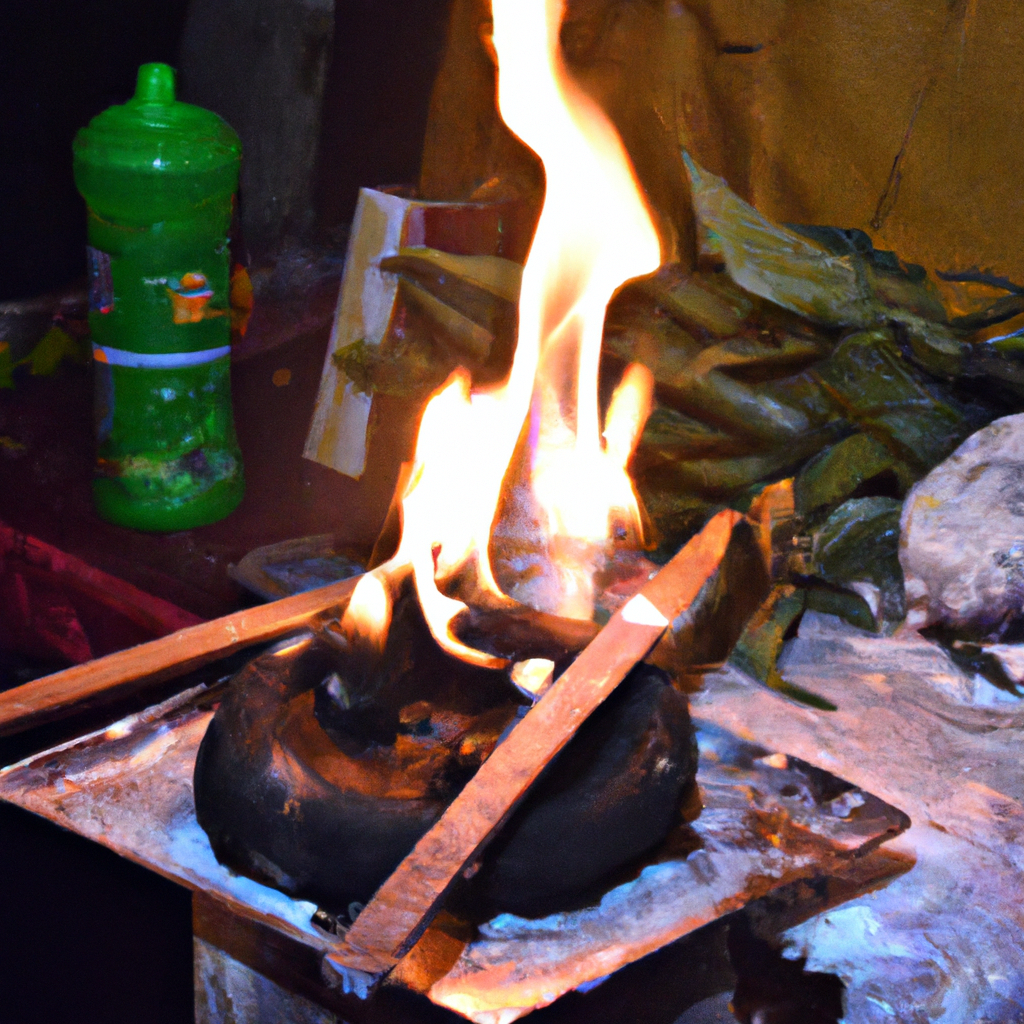
Introduction In the spiritual realm of Hinduism, the significance of rituals is profound, and among these, the Baglamukhi Havan holds a special place. This ritual is dedicated to Devi Baglamukhi, a fierce aspect of the divine feminine, known for her power to silence enemies and protect her devotees from harm. Over the years, countless individuals have turned to this sacred practice to seek her blessings in various aspects of life, especially in overcoming adversities posed by enemies. Baglamukhi Mata is one of the ten Mahavidyas, representing wisdom and the power to control one’s circumstances. In today’s fast-paced world, many face challenges from competitors, rivals, and even personal adversaries. Engaging in the Baglamukhi Havan is believed to invoke the goddess’s protective energies, bringing peace and resolution to conflicts. This article will delve deep into the vidhi (ritual process) of performing the Baglamukhi Havan, the mantras associated with it, the do’s and don’ts, and the auspicious timings for this powerful ritual. We will also explore the connection to the Nalkheda Temple, where devotees flock to seek the blessings of Devi Baglamukhi. The Mythology Behind Baglamukhi Baglamukhi, also known as Pitambara, embodies the essence of speech and communication, and is often depicted as a goddess who can paralyze opponents through her divine power. The mythology surrounding her is rich and varied, with stories emphasizing her role in protecting her devotees from negative influences and enemies. According to ancient texts, when the demons challenged the gods, it was Devi Baglamukhi who stepped in to restore balance. By invoking her blessings, devotees believe they can shield themselves from adversaries and ill-willed individuals. The Ritual Structure of Baglamukhi Havan Performing the Baglamukhi Havan involves several steps, each significant in its own right. The vidhi (ritual) can be carried out at home or at a temple like the Nalkheda Temple, under the guidance of an experienced priest like Pandit Deepak Sharma. Materials Required Havan kund (sacred fire pit) Ghee (clarified butter) Wooden sticks (for the fire) Herbs and medicinal plants Rice and other offerings Puja samagri (items for worship) Flowers and incense Step-by-Step Vidhi Preparation: Clean the space where the havan will be conducted, setting up the havan kund at the center. Invocation: Begin by invoking the presence of Devi Baglamukhi through a prayer. Offering: Add ghee and wood to the fire, making sure to chant the mantras associated with the havan. Mantra Recitation: Recite the following powerful mantra for overcoming enemies: ॐ ह्लीं बगलामुखि सर्व शत्रुस्तम्भनाय स्वाहा Om Hleem Baglamukhi Sarva Shatrustambhanaya Swaha (Meaning: I invoke the power of Baglamukhi to paralyze all my enemies.) Conclusion: Complete the havan with a final prayer for peace and protection. When to Perform the Havan Timing plays a crucial role in the effectiveness of the Baglamukhi Havan. It’s recommended to perform this ritual on auspicious days such as: During the waxing phase of the moon (Shukla Paksha) On Fridays or during Navratri When facing specific challenges with enemies or obstacles Consulting an experienced priest can provide insights into the best timing based on your individual circumstances. Do’s and Don’ts Do’s Conduct the havan with a pure heart and focused intention. Wear clean, traditional attire while performing the ritual. Maintain a peaceful environment, free from distractions. Don’ts Avoid performing the havan during inauspicious timings. Do not engage in negative thoughts while performing the ritual. Refrain from using impure items in the havan. The Connection to Nalkheda Temple The Nalkheda Temple, dedicated to Devi Baglamukhi, is a revered site for conducting this powerful havan. Devotees travel from far and wide to seek her blessings for various purposes, including overcoming personal adversaries. The temple’s serene atmosphere enhances the spiritual experience, making it an ideal place for performing the Baglamukhi Havan. Those who wish to perform the havan at this sacred site can contact Pandit Deepak Sharma for guidance on the rituals and necessary preparations. FAQ 1. What is the significance of Baglamukhi Havan? Baglamukhi Havan is significant for invoking the goddess’s blessings, particularly for overcoming enemies and obstacles in life. It is believed to provide protection and peace. 2. When is the best time to perform the havan? The best time to perform the havan is during the waxing phase of the moon, especially on Fridays or during auspicious festivals like Navratri. 3. What materials are needed for the havan? Materials include a havan kund, ghee, wooden sticks, herbs, rice, and puja samagri. It’s essential to use pure items for the ritual. 4. Can I perform the havan at home? Yes, the havan can be performed at home, but it is recommended to consult an experienced priest for proper guidance and to ensure the ritual is conducted correctly. 5. What mantras should be recited during the havan? The primary mantra for overcoming enemies is: ॐ ह्लीं बगलामुखि सर्व शत्रुस्तम्भनाय स्वाहा, which invokes the goddess’s power to paralyze adversaries. 6. Is there any specific attire required for the havan? While there is no strict rule, wearing clean, traditional attire is recommended to maintain a respectful and pure atmosphere during the ritual. Agar aap is pooja ko proper Vedic vidhi ke saath karwana chahte hain, toh Nalkheda ke experienced pandit Pandit Deepak Sharma se margdarshan le sakte hain. Woh traditional Baglamukhi pooja aur havan ko shuddh vidhi se karte hain.