Mantra Jaap Vidhi: Achieving Peace Through Baglamukhi Rituals
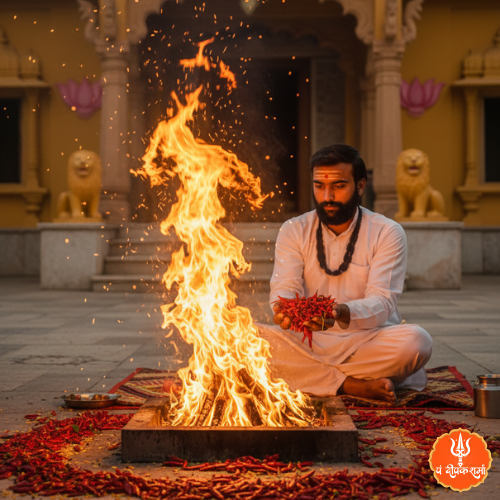
Introduction In the journey of life, when one encounters obstacles such as enemies, legal disputes, or career challenges, the mind seeks solace and solutions. It is during these times that Baglamukhi Devi, the powerful goddess known for her ability to stun and silence negative forces, is approached for guidance and protection. Her rituals, particularly the Mantra Jaap Vidhi, offer a spiritual pathway to achieving peace and resolution. Meaning of This Ritual The Mantra Jaap Vidhi of Baglamukhi Devi holds a profound spiritual essence. It symbolizes the inner strength required to silence negativity and overcome adversities. In traditional texts, Baglamukhi is revered as a force that confounds and paralyses enemies, both internal and external. By chanting her mantras, devotees aim to invoke her divine energy to stabilize turbulent emotions and situations. Spiritually, this ritual is a journey towards self-mastery, where one seeks not only external victories but also internal peace. It is believed that the vibrations created through the mantra recitation align the devotee’s mind with the cosmic energies, facilitating clarity and focus. Traditionally, this practice is recommended for those in legal battles, facing competitive exams, or dealing with business hurdles. Mythological Background Devi Baglamukhi is one of the Dasa Mahavidyas, a group of ten Tantric goddesses each representing a distinct aspect of divinity. Mythology describes her as the goddess who manifests to protect the righteous and silence the malicious. A popular story narrates how she emerged from the depths of a golden pond during a storm to halt the demon Madan, who was wreaking havoc on the universe. Her presence is synonymous with power, protection, and victory over adversaries. In the Mahavidya context, Baglamukhi represents the power of speech (Vak) and the ability to control and influence through wisdom and words. Her devotees are guided to use this divine power to overcome deceit and falsehood, making her a popular deity among those facing legal challenges and disputes. Who Should Perform This Individuals entrenched in legal battles often turn to Baglamukhi Devi for relief and justice. Her mantra jaap is believed to aid in tilting the scales of justice in favor of truth. Similarly, those facing career and job-related obstacles, such as repeated failures in securing employment or promotions, find solace in her rituals, hoping to clear pathways for growth and success. Students preparing for competitive exams may also benefit from this ritual. The mantra is thought to enhance concentration and memory, providing an edge in high-pressure academic environments. Business owners facing financial strains or competition can seek the goddess’s blessings to stabilize and prosper. Step-by-Step Vidhi (Very Detailed) 1. Sankalp: Begin by taking a resolution to perform the ritual with a pure heart and clear intentions. Visualize your purpose and seek the blessings of Baglamukhi Devi. 2. Ganesh Poojan: Invoke Lord Ganesha to remove obstacles and ensure the ritual proceeds smoothly. Offer flowers, incense, and modak as prasad. 3. Kalash Sthapna: Establish a kalash (sacred pot) filled with water, symbolizing purity and a seat for the divine energies. 4. Devi Avahan: Invite Baglamukhi Devi into your space with devotion, using a specific invocation mantra, offering yellow flowers, turmeric, and sweets. 5. Dhyaan: Meditate upon the form of Baglamukhi. Visualize her radiant yellow glow and her power to silence negativity. 6. Mantra Jaap: Chant the mantra “ॐ ह्लीं बगलामुखि सर्वविघ्न नाशाय ह्लीं” for 108 or 1008 times, focusing on your intentions. 7. Havan Samagri Details: Gather ingredients like ghee, samidha, sesame seeds, and herbs essential for the havan. 8. How to Offer Ahutis Properly: Offer ahutis (oblations) into the fire with each mantra chanting, visualizing the fulfillment of your desires. 9. What to Recite During Offerings: Recite “Swaha” after each mantra chant while offering into the fire. 10. When to Perform Aarti: Conclude the ritual with an aarti, showing gratitude to the goddess for her presence and blessings. 11. How to Conclude: Offer prasad, distribute it among attendees, and end with a prayer for peace and prosperity. Mantra for This Ritual The mantra for this ritual is “ॐ ह्लीं बगलामुखि सर्वविघ्न नाशाय ह्लीं”, which translates to invoking Baglamukhi Devi to remove all obstacles and negativity. This sacred chant is a call for divine intervention in times of distress, seeking the goddess’s powerful presence to transform challenges into opportunities. Do’s & Don’ts Maintain a pure heart and clear mind throughout the ritual. Avoid negative thoughts and actions before, during, and after the ritual. Dress in clean, preferably yellow attire, as it is the color associated with Baglamukhi Devi. Refrain from consuming non-vegetarian food or alcohol on the day of the ritual. Ensure the place of ritual is clean and free from distractions. Respect the sanctity of the ritual by maintaining silence and focus. Do not rush through the ritual; perform each step with devotion and attention. Engage in positive activities post-ritual to sustain its effects. When to Perform The most auspicious time to perform this ritual is on a Thursday, which is dedicated to Baglamukhi Devi. Amavasya and Shukla Paksha are also considered favorable periods. It is believed that performing the ritual during these times enhances its potency, as the cosmic energies are more aligned with the spiritual intent. Nalkheda Temple Connection The Nalkheda Baglamukhi Temple in Madhya Pradesh is a revered place for devotees seeking the goddess’s blessings. Known for its vibrant rituals and powerful energy, the temple offers a unique spiritual environment that amplifies the effects of the Mantra Jaap Vidhi. Pilgrims often report a deep sense of peace and clarity after participating in rituals here, guided by experienced pandits who uphold ancient traditions. FAQ (Minimum 6–10 Questions) Can I do this pooja at home? Yes, with proper guidance and a sincere heart, you can perform this pooja at home. How long does the havan take? The havan usually takes around 1.5 to 2 hours, depending on the number of mantras chanted. What if I am under stress during the ritual? Focus on deep breathing and meditative visualization to calm your mind before commencing the ritual. How many days