Meaning of This Ritual
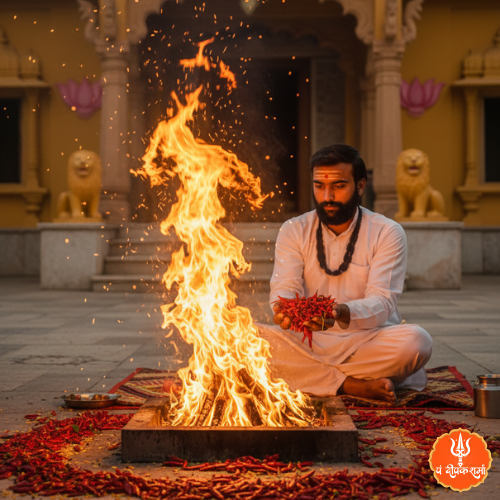
The baglamukhi Havan is a sacred fire ritual dedicated to Devi Baglamukhi, one of the ten Mahavidyas in Hindu tradition. This ritual is performed to invoke the divine blessings of the goddess, who is revered for her power to remove obstacles and grant victory over adversaries. The essence of this havan lies in its ability to purify the environment and the devotee’s mind, creating a conducive atmosphere for spiritual growth and protection.
In Vedic tradition, havans are considered a means to connect with the divine through the element of fire, which symbolizes transformation and purity. The offerings made during the havan, such as ghee, grains, and herbs, are believed to be carried to the heavens by the smoke, reaching the deities and invoking their blessings. The Baglamukhi Havan specifically focuses on the energies of the goddess, aiming to harness her strength for overcoming challenges and achieving success.
Moreover, this ritual is not merely a ceremonial act; it is a profound spiritual practice that aligns the devotee’s intentions with the divine will. By performing the Baglamukhi Havan, devotees seek to cultivate inner strength, clarity, and the ability to navigate through life’s adversities with grace and resilience.
How This Ritual Helps
The Baglamukhi Havan serves multiple purposes, primarily focusing on the removal of obstacles and the attainment of victory in various aspects of life. Many devotees turn to this ritual when facing legal challenges, conflicts with enemies, or when seeking success in their careers. The divine energy invoked during the havan is believed to empower the devotee, providing them with the necessary strength to overcome difficulties.
Furthermore, this havan is particularly beneficial for those involved in court cases or legal disputes. The mantra associated with the ritual, which invokes the goddess’s protective energies, is said to enhance the chances of a favorable outcome. By performing the havan, devotees express their faith in the divine, seeking guidance and support in their endeavors.
Additionally, the Baglamukhi Havan promotes mental clarity and focus, aiding devotees in making sound decisions and strategizing effectively. The ritual’s meditative aspects help in calming the mind, allowing individuals to approach their challenges with a composed and determined spirit. Thus, the havan not only serves as a means of seeking divine intervention but also fosters personal growth and resilience.
Mythological Background
Devi Baglamukhi is a revered goddess in Hindu mythology, known for her wisdom and power to control speech and communication. She is often depicted as a yellow-clad goddess, seated on a tiger, holding a tongue in her hand, symbolizing her ability to silence enemies and protect her devotees from harm. The worship of Baglamukhi is rooted in ancient texts, where she is described as a fierce protector and a source of divine knowledge.
According to legend, Baglamukhi emerged from the collective energy of the gods during a time of great turmoil, where evil forces threatened the balance of the universe. The gods, seeking a powerful ally, invoked her presence, and she manifested to restore order. Her divine intervention is celebrated in various texts, including the Tantras, where she is revered as a goddess who grants victory and success to her devotees.
The Baglamukhi Havan is thus a way to honor this powerful goddess, acknowledging her role in the cosmic order and seeking her blessings for personal challenges. The rituals performed in her name are steeped in tradition, reflecting the deep reverence that devotees hold for her. By participating in the havan, devotees connect with this rich mythological heritage, drawing strength and inspiration from the goddess’s timeless wisdom.
Who Should Perform This
The Baglamukhi Havan is suitable for anyone facing challenges in their life, particularly those dealing with adversaries, legal issues, or seeking success in their professional endeavors. Individuals who feel overwhelmed by obstacles or conflicts may find solace and empowerment through this ritual. It is especially recommended for those involved in court cases, as the energies invoked during the havan are believed to provide protection and enhance the likelihood of a favorable outcome.
Moreover, this havan can be performed by individuals seeking to strengthen their resolve and clarity in decision-making. Whether one is a student facing competitive exams, a professional navigating career challenges, or someone dealing with personal conflicts, the Baglamukhi Havan offers a spiritual pathway to overcome these hurdles. It is a ritual that transcends specific situations, providing a holistic approach to personal growth and empowerment.
Additionally, families facing disputes or seeking harmony may also benefit from this havan. By invoking the blessings of Devi Baglamukhi, the ritual fosters an environment of peace and understanding, helping to resolve conflicts and restore balance within the household.
Step-by-Step Vidhi (Very Detailed)
The Baglamukhi Havan is a sacred ritual that requires careful preparation and adherence to Vedic traditions. Below is a detailed step-by-step procedure to perform this havan, ensuring that devotees can engage in the ritual with devotion and sincerity.
Preparation
Before commencing the havan, it is essential to prepare the space. Choose a clean and quiet area, preferably an outdoor space where the havan can be performed safely. Gather all necessary materials, including a havan kund (fire pit), ghee, grains (like rice and barley), herbs, and the specific offerings for Devi Baglamukhi.
Devotees should also prepare themselves mentally and spiritually. Taking a bath and wearing clean, preferably yellow clothes, is recommended, as yellow is associated with Devi Baglamukhi. Create a peaceful atmosphere by lighting lamps and incense, and ensure that the space is free from distractions.
Invoking the Deity
Begin the ritual by invoking the presence of Devi Baglamukhi. Light a lamp and offer flowers at the altar. Chant the following mantra to invite her blessings:
ॐ ह्लीं बगलामुखि सर्वविघ्न नाशाय ह्लीं
Transliteration: Om Hleem Baglamukhi Sarva Vighna Nashaya Hleem
Meaning: This mantra calls upon Devi Baglamukhi to remove all obstacles and grant success.
Repeat this mantra while focusing on your intentions, visualizing the goddess’s divine light enveloping you and your space. This step is crucial, as it sets the tone for the entire ritual, establishing a connection with the divine.
Performing the Havan
Once the deity is invoked, proceed to perform the havan. Place the offerings of ghee and grains into the havan kund, while continuously chanting the mantra dedicated to Devi Baglamukhi. As the offerings are made, visualize your obstacles being consumed by the fire, transforming into positive energy.
It is important to maintain a focused and devotional mindset throughout this process. Offer each item with a prayer, expressing gratitude and faith in the goddess’s power. The havan should be conducted with sincerity, as the energy generated during this ritual is believed to resonate with the divine and manifest your intentions.
Concluding the Ritual
After completing the offerings, conclude the havan by performing aarti (waving of light) in front of the deity. Sing devotional songs or hymns dedicated to Devi Baglamukhi, expressing your gratitude for her blessings. Finally, distribute the prasad (blessed food) to all participants, sharing the divine energy and blessings received during the ritual.
It is recommended to reflect on the experience and maintain a positive mindset in the days following the havan. The energies invoked during this ritual continue to work in the devotee’s life, guiding them toward success and overcoming challenges.
Mantra for This Ritual
The mantra associated with the Baglamukhi Havan is a powerful invocation that channels the goddess’s energy. The primary mantra used is:
ॐ ह्लीं बगलामुखि सर्वविघ्न नाशाय ह्लीं
Transliteration: Om Hleem Baglamukhi Sarva Vighna Nashaya Hleem
This mantra is significant for its ability to remove obstacles and grant success in various endeavors. The syllable ‘Hleem’ is a bija mantra (seed sound) associated with Devi Baglamukhi, representing her essence and power. The repetition of this mantra during the havan enhances the connection with the goddess, allowing devotees to channel her energy effectively.
Chanting this mantra with devotion and focus not only invokes the goddess’s blessings but also creates a protective shield around the devotee. It is believed that regular recitation of this mantra can lead to spiritual growth, clarity, and the ability to overcome life’s challenges. The mantra serves as a reminder of the divine support available to devotees, encouraging them to remain steadfast in their pursuits.
Do’s & Don’ts
Engaging in the Baglamukhi Havan requires adherence to certain guidelines to ensure the ritual’s sanctity and effectiveness. Here are some essential do’s and don’ts to keep in mind:
Do’s
- Prepare the space and materials in advance, ensuring cleanliness and order.
- Dress in clean, preferably yellow attire, symbolizing devotion to Devi Baglamukhi.
- Maintain a focused and devotional mindset throughout the ritual.
- Offer sincere prayers and intentions while performing the havan.
- Share the prasad with all participants, fostering a sense of community and gratitude.
Don’ts
- Avoid distractions during the ritual; ensure a peaceful environment.
- Do not consume non-vegetarian food or alcohol before or during the havan.
- Refrain from negative thoughts or intentions; focus on positivity and faith.
- Do not rush through the ritual; take your time to engage fully with the process.
- Avoid performing the havan during inauspicious timings or days.
When to Perform
The Baglamukhi Havan can be performed at any time, but certain auspicious days are particularly favorable. It is recommended to conduct the havan during the waxing phase of the moon, especially on days dedicated to Devi Baglamukhi, such as Navratri or other significant festivals. These times are believed to enhance the energies associated with the goddess, making the ritual more potent.
Additionally, devotees may choose to perform the havan when facing specific challenges, such as legal issues or conflicts with enemies. Engaging in the ritual during these times can provide a sense of empowerment and clarity, helping individuals navigate their situations with divine support.
Ultimately, the timing of the havan should resonate with the devotee’s personal circumstances and intentions. Consulting with a knowledgeable pandit can also provide guidance on the most auspicious times for performing the Baglamukhi Havan.
How Pandit Deepak Sharma can help
Pandit Deepak Sharma, an experienced Vedic practitioner, offers his expertise in performing the Baglamukhi Havan with authenticity and devotion. His deep understanding of the rituals and the significance of Devi Baglamukhi allows devotees to engage in the havan with confidence and faith. By seeking his guidance, devotees can ensure that the ritual is conducted according to traditional Vedic practices, enhancing its effectiveness.
Moreover, Pandit Deepak Sharma provides personalized support, helping individuals articulate their intentions and connect with the divine during the havan. His compassionate approach fosters a nurturing environment, allowing devotees to experience the full benefits of the ritual. Whether facing legal challenges, seeking career growth, or navigating personal conflicts, his guidance can empower devotees to overcome obstacles and achieve their goals.
By choosing to perform the Baglamukhi Havan under the guidance of Pandit Deepak Sharma, devotees can deepen their spiritual connection and align their actions with divine will, paving the way for success and fulfillment in their lives.
Nalkheda Temple Connection
The Nalkheda Temple, dedicated to Devi Baglamukhi, is a sacred site for devotees seeking her blessings. Located in the Agar Malwa district of Madhya Pradesh, this temple is renowned for its spiritual significance and the powerful energies associated with the goddess. Many devotees travel to the temple to perform rituals and participate in the Baglamukhi Havan, seeking divine intervention in their lives.
The temple serves as a focal point for the worship of Devi Baglamukhi, attracting individuals from various backgrounds who seek solace and empowerment. The atmosphere within the temple is charged with devotion, making it an ideal place for performing the havan and connecting with the goddess.
Visiting the Nalkheda Temple not only provides an opportunity to engage in the Baglamukhi Havan but also allows devotees to immerse themselves in the rich spiritual heritage of the site. The temple’s rituals and practices reflect the deep reverence for Devi Baglamukhi, offering a transformative experience for all who visit.
FAQ
What is the significance of the Baglamukhi Havan?
The Baglamukhi Havan holds immense significance in Hindu tradition as it is dedicated to Devi Baglamukhi, who is revered for her power to remove obstacles and grant victory. This ritual is performed to invoke the goddess’s blessings, particularly in challenging situations such as legal disputes or conflicts with enemies. By engaging in the havan, devotees seek to align themselves with the divine energies of the goddess, fostering personal growth and empowerment.
Moreover, the havan serves as a means of purification, allowing devotees to release negative energies and cultivate a positive mindset. The offerings made during the ritual are believed to carry the devotee’s intentions to the heavens, creating a powerful connection with the divine. Thus, the Baglamukhi Havan is not only a ceremonial act but a profound spiritual practice that resonates deeply with the devotee’s journey.
Can anyone perform the Baglamukhi Havan?
Yes, the Baglamukhi Havan can be performed by anyone seeking the blessings of Devi Baglamukhi. It is particularly beneficial for individuals facing challenges such as legal issues, conflicts with enemies, or those seeking success in their careers. The ritual is designed to empower devotees, providing them with the strength and clarity needed to navigate their circumstances.
However, it is essential to approach the havan with sincerity and devotion. Preparing oneself mentally and spiritually is crucial for engaging in the ritual effectively. Consulting with a knowledgeable pandit, like Pandit Deepak Sharma, can enhance the experience, ensuring that the havan is conducted according to traditional Vedic practices.
What materials are needed for the Baglamukhi Havan?
To perform the Baglamukhi Havan, several materials are required, including a havan kund (fire pit), ghee, grains (such as rice and barley), herbs, and offerings specific to Devi Baglamukhi. Additionally, devotees may want to have flowers, incense, and a lamp for lighting the space.
These materials play a vital role in the ritual, as they are offered into the fire during the havan, symbolizing the devotee’s intentions and prayers. Ensuring that all materials are pure and of good quality is essential for maintaining the sanctity of the ritual.
How long does the Baglamukhi Havan take?
The duration of the Baglamukhi Havan can vary depending on the specific practices followed and the devotion of the participants. Generally, the ritual may take anywhere from one to two hours. This includes the preparation, invocation of the deity, performance of the havan, and concluding prayers.
It is important to approach the ritual with patience and devotion, allowing ample time for each step to be completed thoughtfully. Rushing through the havan may diminish its effectiveness, so taking the time to engage fully with the process is encouraged.
What should I do after the Baglamukhi Havan?
After completing the Baglamukhi Havan, it is recommended to reflect on the experience and maintain a positive mindset. Sharing the prasad (blessed food) with participants fosters a sense of community and gratitude. Devotees may also choose to continue chanting the mantra associated with the havan as a means of sustaining the energies invoked during the ritual.
Additionally, it is beneficial to remain open to the guidance and opportunities that may arise in the days following the havan. The energies generated during the ritual continue to work in the devotee’s life, so maintaining a receptive attitude is essential for experiencing the full benefits of the ritual.
Recommended Reading / Further Exploration
- Advanced Concepts of Deepak Sharma Puja Charges (Explained Clearly)
- Real-World Use Cases of Shatru Nash Baglamukhi Puja
- Baglamukhi Anushthan Ujjain: Beginner to Pro in One Detailed Guide
- Common Mistakes in Deepak Sharma Puja Charges and How to Fix Them
- How to Use Deepak Sharma Puja Charges for Better Results