Meaning of This Ritual
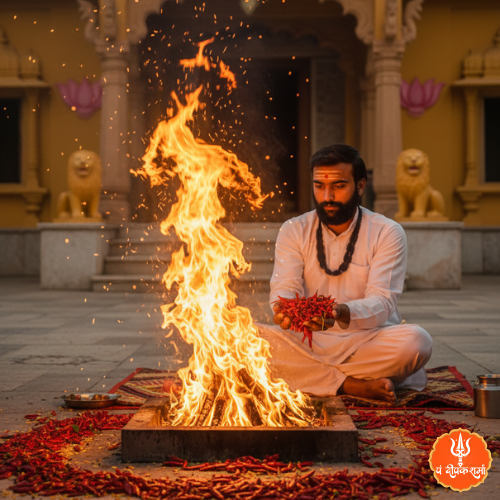
The Baglamukhi havan, specifically designed for enemy removal, holds a sacred place in the hearts of devotees seeking protection from adversaries. This ritual is not merely a ceremonial act; it is a profound spiritual practice that invokes the divine blessings of Devi Baglamukhi, one of the ten Mahavidyas. The essence of this havan lies in its ability to create a protective shield around the devotee, ensuring that negative energies and harmful intentions from enemies are neutralized.
In the Vedic tradition, the act of performing a havan involves the offering of various sacred materials into the fire, which symbolizes the transformation of negative energies into positive vibrations. The flames of the havan are believed to carry the prayers and intentions of the devotee to the divine realm, where they are received by the goddess. This ritual is particularly significant for those who feel threatened by rivals, whether in personal, professional, or spiritual contexts.
Through the Baglamukhi Havan, devotees express their surrender to the divine will, seeking guidance and strength to overcome obstacles posed by enemies. It is a call for divine intervention, asking for the goddess’s grace to turn the tide in their favor, allowing them to emerge victorious over adversities.
How This Ritual Helps
The Baglamukhi Havan for enemy removal serves multiple purposes, primarily focusing on the spiritual and psychological well-being of the devotee. By engaging in this ritual, individuals can experience a sense of relief from the burdens of conflict and negativity that may surround them. The havan acts as a cleansing process, purifying the atmosphere and the devotee’s mind, allowing for clarity and peace.
Moreover, the ritual aids in enhancing the devotee’s inner strength and resilience. As the offerings are made and the mantras are chanted, the devotee is enveloped in a protective aura that shields them from harmful influences. This not only helps in mitigating the effects of adversaries but also empowers the individual to confront challenges with confidence and determination.
Additionally, the Baglamukhi Havan fosters a deeper connection with the divine. As devotees participate in the ritual, they cultivate faith and devotion, which are essential for spiritual growth. The blessings received during the havan can lead to favorable outcomes in various aspects of life, including personal relationships, career advancements, and overall well-being.
Mythological Background
Devi Baglamukhi is revered as the goddess of speech and power, embodying the strength to overcome obstacles and adversaries. According to Hindu mythology, she is one of the ten Mahavidyas, representing the ultimate form of knowledge and wisdom. The stories surrounding her depict her as a fierce protector who aids her devotees in times of distress.
One of the most famous legends associated with Devi Baglamukhi narrates how she subdued the demon Madan, who was causing havoc in the world. By invoking her divine powers, she was able to silence him, demonstrating her ability to control and eliminate negativity. This mythological backdrop reinforces the significance of the Baglamukhi Havan, as it is believed that through this ritual, devotees can invoke the same protective energy that helped the goddess triumph over evil.
Furthermore, the goddess is often depicted holding a tongue of a demon, symbolizing her power to control speech and silence adversaries. This imagery serves as a reminder of the importance of using one’s words wisely and the potential consequences of harmful speech. The Baglamukhi Havan, therefore, not only seeks to remove enemies but also encourages devotees to reflect on their own actions and intentions.
Who Should Perform This
The Baglamukhi Havan for enemy removal is suitable for anyone facing challenges posed by adversaries, whether in personal relationships, professional environments, or competitive situations. Individuals who feel threatened, harassed, or unjustly treated can greatly benefit from this ritual. It is particularly recommended for those involved in legal disputes, workplace conflicts, or any scenario where they feel their reputation or peace is at stake.
Moreover, this havan is also beneficial for individuals seeking to enhance their protective energies and create a shield against negative influences. Those who are sensitive to the energies around them or who have experienced betrayal or hostility may find solace and empowerment through this ritual. It is a call to the divine for assistance in overcoming obstacles and reclaiming one’s power.
Additionally, the Baglamukhi Havan can be performed by family members on behalf of loved ones who may be facing difficulties. This act of devotion not only helps the individual in need but also strengthens the bonds of love and support within the family.
Step-by-Step Vidhi (Very Detailed)
The performance of the Baglamukhi Havan involves several meticulous steps that must be followed to ensure its effectiveness. Each step is infused with intention and devotion, creating a sacred atmosphere conducive to divine blessings.
1. **Preparation of the Havan Kund**: The first step involves the preparation of the havan kund, a sacred fire pit. It should be made of mud or metal and placed in a clean, auspicious space. The kund is then filled with sacred materials such as dried cow dung, ghee, and wood, which will be used as offerings during the ritual.
2. **Gathering of Materials**: Essential materials for the havan include ghee, samagri (a mixture of herbs and grains), flowers, and incense. Each of these items holds significance and is chosen with care to enhance the ritual’s potency. The devotee should also have a picture or idol of Devi Baglamukhi present during the ceremony.
3. **Purification and Sankalp**: Before commencing the havan, the devotee should purify themselves through a bath and wear clean clothes. A sankalp (resolution) is then made, stating the purpose of the havan and invoking the goddess’s blessings. This is a crucial step, as it sets the intention for the ritual.
4. **Lighting the Fire**: The havan is initiated by lighting the fire in the kund using dry wood and ghee. As the flames rise, the devotee should chant the appropriate mantras, inviting the goddess’s presence into the ritual. This is a moment of deep devotion, where the energy of the havan begins to manifest.
5. **Offering of Materials**: Once the fire is established, the devotee begins to offer samagri and ghee into the flames while chanting the specific mantras dedicated to Devi Baglamukhi. Each offering is made with reverence, symbolizing the surrender of negativity and the invocation of divine protection.
6. **Concluding Prayers**: After the offerings are made, the ritual concludes with prayers of gratitude, thanking the goddess for her blessings. The devotee should sit in meditation, reflecting on the experience and allowing the energy of the havan to permeate their being.
7. **Distribution of Prasad**: Finally, the remnants of the offerings, known as prasad, should be shared among family members or participants, symbolizing the blessings received from the goddess.
Mantra for This Ritual
The primary mantra associated with the Baglamukhi Havan for enemy removal is:
ॐ ह्लीं बगलामुखि सर्व शत्रुस्तम्भनाय स्वाहा
**Transliteration**: Om Hleem Baglamukhi Sarva Shatrustambhanaya Swaha
This powerful mantra invokes the protective energies of Devi Baglamukhi, specifically aimed at immobilizing enemies and neutralizing their negative intentions. The syllable ‘Hleem’ is considered a seed sound that embodies the essence of the goddess’s power, while ‘Sarva Shatrustambhanaya’ translates to the immobilization of all enemies. The word ‘Swaha’ signifies the offering made into the fire, completing the cycle of invocation.
Chanting this mantra during the havan not only enhances the effectiveness of the ritual but also helps in cultivating a mindset of strength and resilience. It serves as a reminder of the divine protection surrounding the devotee, encouraging them to face challenges with courage and faith.
Do’s & Don’ts
To ensure the success of the Baglamukhi Havan, there are certain do’s and don’ts that devotees should adhere to. Following these guidelines helps maintain the sanctity of the ritual and enhances its effectiveness.
**Do’s**:
- Perform the havan with a pure heart and sincere intentions.
- Gather all necessary materials in advance to avoid interruptions during the ritual.
- Maintain a clean and sacred space for the havan.
- Invite family members or close friends to participate, as collective energy amplifies the ritual’s power.
- Express gratitude to Devi Baglamukhi after the completion of the havan.
**Don’ts**:
- Avoid performing the havan in a place that is considered impure or unclean.
- Do not engage in negative thoughts or actions before or during the ritual.
- Refrain from making any offerings that are not aligned with the purpose of the havan.
- Do not rush through the ritual; take time to connect with the divine.
- Avoid discussing negative experiences or adversaries during the havan.
When to Perform
The timing of the Baglamukhi Havan plays a crucial role in its effectiveness. It is generally recommended to perform this ritual on auspicious days, such as during the waxing phase of the moon or on specific festivals dedicated to Devi Baglamukhi. These times are believed to enhance the potency of the havan and align the devotee’s energies with the divine.
Additionally, it is advisable to perform the havan during times of personal crisis or when facing significant challenges from adversaries. Engaging in the ritual during periods of heightened stress or conflict can provide immediate relief and support, allowing the devotee to regain control over their circumstances.
Ultimately, the most important factor is the devotee’s intention and devotion. Performing the havan with a sincere heart, regardless of the timing, can yield positive results and divine blessings.
How Pandit Deepak Sharma can help
Pandit Deepak Sharma, with his extensive experience in performing Baglamukhi rituals, offers invaluable guidance and support to devotees seeking to engage in the Baglamukhi Havan for enemy removal. His deep understanding of Vedic traditions ensures that the ritual is conducted with authenticity and reverence.
By consulting with Pandit Deepak Sharma, devotees can receive personalized advice on the best practices for the havan, including the selection of auspicious timings and the gathering of necessary materials. His presence during the ritual enhances the spiritual atmosphere, allowing devotees to connect more deeply with Devi Baglamukhi.
Moreover, Pandit Deepak Sharma provides ongoing support and spiritual guidance, helping devotees navigate the challenges they face. His wisdom and experience empower individuals to confront adversities with confidence, fostering a sense of peace and protection through the divine grace of the goddess.
Nalkheda Temple Connection
The Nalkheda Temple, dedicated to Devi Baglamukhi, is a significant spiritual destination for devotees seeking her blessings. Located in the Agar Malwa district of Madhya Pradesh, this temple is renowned for its sacred atmosphere and the powerful energy that resonates within its walls. The temple serves as a hub for various rituals, including the Baglamukhi Havan, attracting devotees from far and wide.
Visiting the Nalkheda Temple offers devotees an opportunity to immerse themselves in the divine presence of Devi Baglamukhi. The temple’s architecture, adorned with intricate carvings and sacred symbols, creates a serene environment conducive to spiritual reflection and devotion. Engaging in rituals at the temple amplifies the effectiveness of the havan, as the collective energy of the devotees enhances the spiritual vibrations.
Furthermore, the temple is a place where devotees can seek guidance from experienced priests like Pandit Deepak Sharma, who are dedicated to preserving the authenticity of Vedic rituals. The connection to the temple deepens the experience of the Baglamukhi Havan, allowing devotees to feel the goddess’s blessings in a profound and transformative way.
FAQ
What is the significance of the Baglamukhi Havan for enemy removal?
The Baglamukhi Havan for enemy removal is a sacred ritual that invokes the protective energies of Devi Baglamukhi. It is significant for those facing challenges from adversaries, as it helps to neutralize negative influences and create a protective shield around the devotee. The ritual not only addresses external threats but also empowers the individual to confront their challenges with confidence and resilience.
Through the offerings made during the havan, devotees express their surrender to the divine will, seeking guidance and strength to overcome obstacles. This ritual serves as a spiritual cleansing process, purifying the atmosphere and the devotee’s mind, allowing for clarity and peace.
Can anyone perform the Baglamukhi Havan?
Yes, anyone facing challenges posed by adversaries can perform the Baglamukhi Havan. It is particularly beneficial for individuals involved in legal disputes, workplace conflicts, or any situation where they feel threatened. Additionally, family members can perform the havan on behalf of loved ones who may be facing difficulties, thereby strengthening the bonds of love and support.
The key to the ritual’s effectiveness lies in the devotee’s intention and devotion. Engaging in the havan with a pure heart and sincere intentions is essential for invoking the goddess’s blessings and experiencing the transformative power of the ritual.
What materials are needed for the Baglamukhi Havan?
The materials required for the Baglamukhi Havan include ghee, samagri (a mixture of herbs and grains), flowers, incense, and a picture or idol of Devi Baglamukhi. Each of these items holds significance in enhancing the ritual’s potency. It is important to gather all necessary materials in advance to ensure a smooth and uninterrupted ritual.
Additionally, the havan kund, which is the sacred fire pit, should be prepared with care, using mud or metal. The choice of materials reflects the devotee’s devotion and intention, contributing to the overall energy of the ritual.
How long does the Baglamukhi Havan take to perform?
The duration of the Baglamukhi Havan can vary depending on the devotee’s preferences and the specific rituals involved. Generally, the havan can take anywhere from one to two hours to complete. This includes the preparation of the havan kund, the lighting of the fire, the offering of materials, and the concluding prayers.
It is important to approach the ritual with patience and reverence, allowing ample time to connect with the divine. Rushing through the havan can diminish its effectiveness, so devotees are encouraged to take their time and engage fully in the experience.
Is it necessary to have a priest perform the havan?
While it is not strictly necessary to have a priest perform the Baglamukhi Havan, having an experienced priest like Pandit Deepak Sharma can greatly enhance the ritual’s effectiveness. A priest brings knowledge of the correct procedures and mantras, ensuring that the ritual is conducted with authenticity and reverence.
Moreover, the presence of a priest can create a more powerful spiritual atmosphere, allowing devotees to connect more deeply with Devi Baglamukhi. For those who may be unfamiliar with the rituals or who seek guidance, consulting a priest is highly recommended to ensure a meaningful and transformative experience.
Can the Baglamukhi Havan be performed at home?
Yes, the Baglamukhi Havan can be performed at home, provided that the space is clean and sacred. Devotees should ensure that they have all the necessary materials and follow the proper procedures to maintain the sanctity of the ritual. Performing the havan at home allows individuals to create a personal connection with the divine and engage in a deeply meaningful spiritual practice.
However, it is advisable to consult with an experienced priest for guidance on the best practices and timings, especially for those who may be new to the ritual. This ensures that the havan is performed correctly and effectively, maximizing its benefits.