Meaning of This Ritual
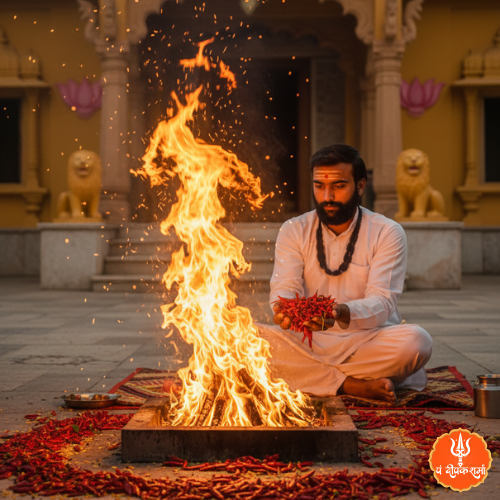
The Competition Exam Havan is a sacred ritual dedicated to Goddess baglamukhi, one of the ten Mahavidyas, who is revered for her wisdom and the ability to remove obstacles. This havan is specifically performed to enhance the intellect and concentration of students preparing for competitive exams. The essence of this ritual lies in invoking the divine blessings of Baglamukhi Mata, who is believed to bestow clarity of thought and success in academic pursuits. By performing this havan, devotees seek to align their energies with the divine, ensuring that they are well-prepared and focused during their examinations.
In the context of Vedic traditions, havans are considered powerful means of connecting with the divine. The offerings made during the havan, including sacred herbs and grains, are believed to purify the environment and invoke positive energies. The Competition Exam Havan specifically aims to channel these energies towards the aspirants, helping them overcome mental blocks and enhancing their cognitive abilities. The ritual not only serves as a spiritual practice but also acts as a mental preparation for the challenges ahead.
Ultimately, the Competition Exam Havan is a profound expression of devotion, where the aspirants surrender their efforts to the divine will of Baglamukhi Mata. It is a reminder that while hard work is essential, divine blessings play a crucial role in achieving success. Through this ritual, devotees cultivate a sense of faith and determination, trusting that their efforts will be rewarded with favorable outcomes in their exams.
How This Ritual Helps
The Competition Exam Havan is designed to provide multiple benefits to students preparing for competitive exams. Firstly, it enhances mental clarity and focus, which are essential for effective studying and retention of information. By invoking the blessings of Goddess Baglamukhi, devotees believe that their minds will be sharpened, allowing them to grasp complex concepts with ease. This clarity is crucial during exams when quick thinking and decision-making are required.
Secondly, this havan helps in alleviating anxiety and stress associated with exam preparation. The soothing vibrations created during the ritual foster a calm and peaceful environment, allowing students to approach their studies with a relaxed mindset. This reduction in stress levels can significantly improve performance, as a calm mind is more receptive to learning and recalling information.
Moreover, the Competition Exam Havan is believed to attract positive energies and remove negative influences that may hinder success. By performing this ritual, devotees aim to create a protective aura around themselves, shielding them from distractions and doubts. This spiritual fortification empowers students to face their exams with confidence, knowing that they have the divine support of Baglamukhi Mata.
Mythological Background
In Hindu mythology, Goddess Baglamukhi is revered as the deity of knowledge and wisdom. She is often depicted as a powerful figure who can control speech and silence, symbolizing the importance of thoughtful communication and the power of words. Her association with intelligence makes her an ideal deity to invoke during the Competition Exam Havan. The stories of Baglamukhi emphasize her ability to bestow wisdom and clarity, making her a beloved figure among students and scholars.
One of the most famous legends associated with Baglamukhi is her role in the battle against ignorance and evil. According to the scriptures, she emerged from the collective consciousness of the gods to combat the forces of darkness. Her divine intervention not only restored balance but also empowered her devotees with the knowledge needed to overcome challenges. This mythological backdrop reinforces the belief that by seeking her blessings, students can overcome the obstacles they face in their academic journeys.
Furthermore, Baglamukhi is known for her ability to grant victory in legal matters and disputes. This aspect of her character resonates with students who may face competitive exams as a form of intellectual battle. By performing the Competition Exam Havan, devotees align themselves with the divine energies that have historically aided those seeking success in challenging situations. The rich mythology surrounding Baglamukhi serves as a source of inspiration and motivation for students, encouraging them to pursue their goals with determination and faith.
Who Should Perform This
The Competition Exam Havan is particularly beneficial for students preparing for various competitive examinations, including entrance tests, civil services, and professional courses. Anyone who feels the need for enhanced focus, clarity, and confidence in their academic pursuits can participate in this ritual. It is especially recommended for those who may be experiencing anxiety or self-doubt regarding their performance in exams.
Additionally, parents and guardians of students may also consider performing this havan on behalf of their children. By doing so, they seek divine blessings for their children’s success and well-being. The ritual serves as a means of expressing love and support, reinforcing the belief that spiritual guidance can significantly impact academic outcomes.
Moreover, educators and mentors who wish to create a positive learning environment for their students can also benefit from this havan. By participating in the ritual, they can invoke the blessings of Baglamukhi to enhance their teaching abilities and foster a conducive atmosphere for learning. In essence, anyone who is involved in the educational journey—be it students, parents, or teachers—can find value in the Competition Exam Havan.
Step-by-Step Vidhi (Very Detailed)
The Competition Exam Havan is performed with utmost reverence and adherence to Vedic traditions. The following steps outline the detailed procedure for conducting this sacred ritual:
Preparation
Begin by selecting an auspicious date and time for the havan, preferably on a Wednesday or during the waxing phase of the moon, as these are considered favorable for educational pursuits. Clean the space where the havan will be performed, ensuring it is free from clutter and distractions. Set up a havan kund (sacred fire pit) using a square or rectangular shape, which symbolizes stability and grounding.
Gather the necessary materials, including ghee (clarified butter), samagri (a mixture of sacred herbs and grains), flowers, and incense. It is also essential to have a picture or idol of Goddess Baglamukhi placed near the havan kund. This visual representation serves as a focal point for devotion and prayers.
Invocation
Once the setup is complete, the ritual begins with the invocation of Lord Ganesha, the remover of obstacles. Chant the Ganesha Vandana to seek his blessings for a smooth and successful havan. After this, light the sacred fire in the havan kund using pure ghee and wood. As the flames rise, offer prayers to Goddess Baglamukhi, expressing your intentions and desires for success in exams.
Next, recite the appropriate mantras dedicated to Baglamukhi. For the Competition Exam Havan, the mantra is: ॐ ह्लीं बगलामुखि बुद्धि-विजयाय स्वाहा. This mantra is chanted repeatedly, accompanied by offerings of samagri into the fire. Each offering symbolizes the surrender of one’s efforts and the seeking of divine guidance.
Completion
After chanting the mantras for a specified duration, conclude the havan by offering flowers and fruits to Goddess Baglamukhi. Perform aarti (a ritual of light) to honor her presence and express gratitude for her blessings. Finally, distribute prasad (blessed offerings) among participants, signifying the sharing of divine grace.
It is advisable to maintain a peaceful and meditative atmosphere throughout the ritual, allowing participants to connect deeply with the divine energies. The entire process should be carried out with sincerity and devotion, ensuring that the intentions behind the havan are pure and focused on achieving success in competitive exams.
Mantra for This Ritual
The mantra associated with the Competition Exam Havan is ॐ ह्लीं बगलामुखि बुद्धि-विजयाय स्वाहा. This powerful invocation is dedicated to Goddess Baglamukhi, specifically aimed at enhancing intelligence and ensuring victory in examinations.
Transliteration: Om Hleem Baglamukhi Buddhi-Vijayaya Swaha.
The meaning of this mantra is profound. The syllable ‘ॐ’ represents the universal sound, the essence of the divine. ‘ह्लीं’ is a seed mantra associated with Baglamukhi, symbolizing her power to bestow wisdom and clarity. ‘बगलामुखि’ refers to the goddess herself, while ‘बुद्धि-विजयाय’ translates to ‘for the victory of intellect.’ The concluding ‘स्वाहा’ signifies the offering made to the fire, completing the ritualistic process.
Chanting this mantra with devotion and focus is believed to invoke the blessings of Baglamukhi, allowing devotees to overcome mental barriers and achieve success in their academic endeavors. The repetition of this mantra during the havan creates a sacred vibration that permeates the environment, enhancing the effectiveness of the ritual.
Do’s & Don’ts
When performing the Competition Exam Havan, it is essential to adhere to certain do’s and don’ts to ensure the ritual’s sanctity and effectiveness. Among the do’s, it is important to maintain a clean and serene environment, free from distractions. Participants should approach the ritual with a pure heart and sincere intentions, focusing on their desires for success in exams. It is also advisable to wear clean and respectful clothing, as this reflects the seriousness of the occasion.
Additionally, ensure that all materials used in the havan are pure and of high quality. Offerings should be made with devotion, and participants should engage in the chanting of mantras with full concentration. It is beneficial to involve family members or friends in the ritual, as collective energy can enhance the effectiveness of the havan.
On the other hand, certain actions should be avoided during the ritual. Refrain from using impure or contaminated items, as this can diminish the sanctity of the havan. Avoid distractions such as mobile phones or loud noises that may disrupt the spiritual atmosphere. It is also important not to rush through the ritual; each step should be performed with patience and reverence. Lastly, do not engage in negative thoughts or doubts during the havan, as these can counteract the positive energies being invoked.
When to Perform
The Competition Exam Havan can be performed at any time, but certain periods are considered more auspicious. Performing the havan during the waxing phase of the moon is believed to enhance the effectiveness of the ritual. Additionally, Wednesdays are particularly favorable, as they are associated with intellect and learning in Hindu tradition.
It is also advisable to perform the havan a few days before the examination to maximize its benefits. This timing allows the energies invoked during the ritual to manifest in the form of enhanced focus and clarity during the exam preparation phase. However, if one feels the need for divine intervention at any time, the havan can be conducted as a means of seeking guidance and support.
Ultimately, the best time to perform the Competition Exam Havan is when the devotee feels a genuine need for divine assistance in their academic endeavors. Trusting one’s intuition regarding the timing of the ritual is crucial, as it aligns the devotee’s energies with their spiritual aspirations.
How Pandit Deepak Sharma can help
Pandit Deepak Sharma, with over 25 years of experience in Vedic rituals, specializes in performing the Competition Exam Havan with authenticity and devotion. His deep understanding of the scriptures and traditional practices ensures that the havan is conducted in accordance with Vedic guidelines, maximizing its spiritual benefits. By seeking his guidance, devotees can ensure that the ritual is performed with the utmost reverence and precision.
Furthermore, Pandit Deepak Sharma provides personalized support to each devotee, understanding their unique needs and aspirations. He offers insights into the significance of the ritual and helps participants connect deeply with the divine energies of Goddess Baglamukhi. His presence during the havan fosters a sense of community and shared devotion, enhancing the overall experience for all participants.
For those unable to attend the havan in person, Pandit Deepak Sharma also offers online booking options, allowing devotees to participate remotely while still receiving the blessings of the ritual. This flexibility ensures that anyone seeking divine assistance in their academic pursuits can benefit from the sacred energies invoked during the Competition Exam Havan.
Nalkheda Temple Connection
The Nalkheda Baglamukhi Temple, located in Madhya Pradesh, is a significant spiritual destination for devotees seeking the blessings of Goddess Baglamukhi. This temple is renowned for its authentic Vedic rituals and the profound spiritual atmosphere it offers. The temple serves as a sanctuary for those seeking guidance and support in their academic and personal endeavors.
Visiting the Nalkheda Temple to perform the Competition Exam Havan allows devotees to immerse themselves in the divine energies of the sacred space. The temple is adorned with beautiful idols and vibrant decorations, creating an environment conducive to spiritual growth and reflection. Pilgrims often share their experiences of transformation and success after participating in rituals conducted at this revered site.
Moreover, the temple is a hub for various spiritual activities, including regular havans and poojas dedicated to Goddess Baglamukhi. This connection to the temple enhances the significance of the Competition Exam Havan, as devotees feel a deeper sense of connection to the divine. The blessings received from the temple further amplify the effects of the ritual, making it a powerful experience for all participants.
FAQ
What is the significance of the Competition Exam Havan?
The Competition Exam Havan holds immense significance for students preparing for competitive exams. It is a ritual dedicated to invoking the blessings of Goddess Baglamukhi, who is revered for her wisdom and ability to remove obstacles. By performing this havan, students seek divine assistance in enhancing their intellect, focus, and confidence during their studies and exams. The ritual serves as a spiritual preparation, aligning the devotee’s energies with the divine, ensuring that they are well-prepared for the challenges ahead.
Additionally, the havan helps alleviate anxiety and stress associated with exam preparation, creating a calm and peaceful environment conducive to learning. The positive energies invoked during the ritual are believed to shield students from distractions, allowing them to concentrate fully on their studies. Overall, the Competition Exam Havan is a powerful means of seeking divine support in achieving academic success.
How can I prepare for the Competition Exam Havan?
Preparing for the Competition Exam Havan involves several steps to ensure that the ritual is conducted with reverence and sincerity. Firstly, select an auspicious date and time for the havan, preferably during the waxing phase of the moon or on a Wednesday. Clean the space where the havan will take place, creating a serene environment free from distractions.
Gather all necessary materials, including ghee, samagri, flowers, and incense. It is also essential to have a picture or idol of Goddess Baglamukhi present during the ritual. Approach the havan with a pure heart and sincere intentions, focusing on your desires for success in exams. Engaging in meditation or prayer prior to the ritual can help center your mind and prepare you spiritually for the experience.
Can parents perform the havan for their children?
Yes, parents can certainly perform the Competition Exam Havan on behalf of their children. This act of devotion is a beautiful way for parents to express their love and support for their children’s academic pursuits. By conducting the havan, parents seek divine blessings for their children’s success and well-being. It reinforces the belief that spiritual guidance can significantly impact academic outcomes, providing children with the confidence and clarity they need to excel in their exams.
Involving family members in the ritual can also create a sense of unity and collective energy, enhancing the effectiveness of the havan. It is a way for parents to actively participate in their children’s educational journey, fostering a supportive environment that encourages success.
What should I do after the Competition Exam Havan?
After completing the Competition Exam Havan, it is essential to express gratitude to Goddess Baglamukhi for her blessings. This can be done through aarti and offering of prasad to all participants. Sharing prasad symbolizes the sharing of divine grace and reinforces the sense of community among participants.
Additionally, it is advisable to maintain a positive mindset and focus on your studies following the havan. The energies invoked during the ritual are believed to enhance your intellect and concentration, so utilizing this newfound clarity is crucial. Engage in regular study sessions and practice mindfulness to make the most of the blessings received during the havan.
Is there a specific time to perform the Competition Exam Havan?
The Competition Exam Havan can be performed at any time, but certain periods are considered more auspicious. Performing the havan during the waxing phase of the moon is believed to enhance its effectiveness. Wednesdays are particularly favorable, as they are associated with intellect and learning in Hindu tradition.
Ideally, it is best to perform the havan a few days before the examination to maximize its benefits. This timing allows the energies invoked during the ritual to manifest in the form of enhanced focus and clarity during the exam preparation phase. However, if one feels the need for divine intervention at any time, the havan can be conducted as a means of seeking guidance and support.