Meaning of This Ritual
Chaitra Navratri is a sacred festival dedicated to the worship of the Divine Feminine, particularly Devi Durga and her various forms. During this auspicious time, the energy of the universe is heightened, making it an ideal period for spiritual practices and rituals. The rituals performed during Chaitra Navratri, especially those dedicated to baglamukhi Mata, are believed to invoke her blessings for wisdom, protection, and victory over adversities. The Baglamukhi Havan, in particular, is a powerful ritual that helps devotees seek the divine grace of the goddess for overcoming obstacles and achieving success in various aspects of life.
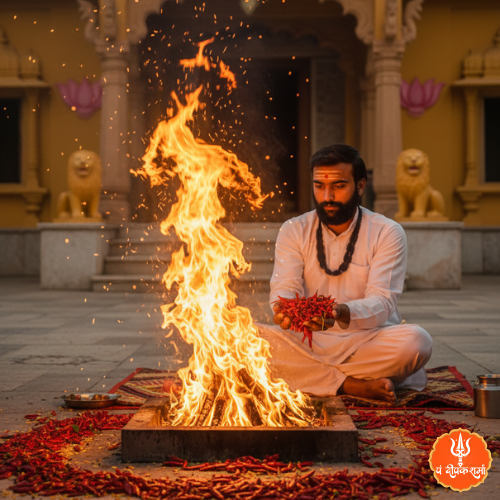
The essence of the Baglamukhi Havan lies in its ability to channel divine energy through fire, which is considered a purifying element in Vedic traditions. The havan involves the chanting of specific mantras, offerings to the sacred fire, and the invocation of Baglamukhi Mata’s presence. This ritual not only aids in personal growth but also helps in resolving conflicts, whether they be in personal life, career, or legal matters. By performing the Baglamukhi Havan during Chaitra Navratri, devotees align themselves with the cosmic energies that promote harmony and success.
As we approach Chaitra Navratri 2026, it is essential to understand the significance of this period and how the rituals can be performed to maximize their benefits. Engaging in Baglamukhi rituals during this time is not merely a tradition but a profound spiritual practice that connects devotees with the divine feminine energy, empowering them to overcome challenges and achieve their desires.
How This Ritual Helps
The Baglamukhi Havan performed during Chaitra Navratri is a means to invoke the blessings of the goddess for various purposes. Primarily, it is known for its efficacy in overcoming obstacles, particularly those posed by enemies or adversaries. The ritual is believed to create a protective shield around the devotee, safeguarding them from negative influences and ill-will. This is especially beneficial for individuals facing legal issues or conflicts, as the energy generated during the havan can lead to favorable outcomes.
Moreover, the Baglamukhi Havan is instrumental in enhancing one’s career prospects. By seeking the blessings of Baglamukhi Mata, devotees can gain clarity and wisdom, which are essential for making informed decisions in their professional lives. The ritual fosters an environment conducive to success, allowing individuals to navigate their career paths with confidence and determination. It is also beneficial for students preparing for competitive exams, as the goddess is known to bless her devotees with intelligence and focus.
In addition to personal growth and protection, the Baglamukhi Havan serves as a powerful tool for spiritual elevation. Engaging in this ritual during Chaitra Navratri allows devotees to deepen their connection with the divine, fostering a sense of peace and tranquility. The collective energy generated during this period amplifies the effects of the havan, making it a potent time for spiritual practices and self-reflection.
Mythological Background
The worship of Baglamukhi Mata is steeped in rich mythology that highlights her significance as one of the ten Mahavidyas, or great wisdom goddesses. According to ancient texts, Baglamukhi is revered as the goddess of speech, knowledge, and power. She is depicted as a fierce warrior, often shown holding a tongue in her hand, symbolizing her ability to control and subdue enemies through the power of speech and wisdom. This aspect of her persona makes her particularly relevant during Chaitra Navratri, as devotees seek her blessings for victory over adversities.
One of the most famous legends associated with Baglamukhi Mata involves her intervention in a battle between the gods and demons. When the demons threatened to overpower the gods, it was Baglamukhi who emerged as a formidable force, using her divine powers to silence the enemies and restore balance to the universe. This mythological narrative underscores her role as a protector and a source of strength for her devotees. By invoking her blessings during Chaitra Navratri, devotees align themselves with her victorious energy, empowering them to overcome their own challenges.
Furthermore, Baglamukhi Mata is often associated with the concept of ‘Shakti,’ or divine feminine energy. Her worship during Chaitra Navratri is a celebration of this energy, emphasizing the importance of harnessing one’s inner strength and wisdom. The rituals performed during this time serve as a reminder of the power that resides within each individual, encouraging devotees to tap into their potential and strive for success in all endeavors.
Who Should Perform This
The Baglamukhi Havan during Chaitra Navratri is particularly beneficial for individuals facing challenges in various aspects of life. Those who are experiencing conflicts, whether in personal relationships, professional settings, or legal matters, should consider performing this ritual. The energy generated during the havan is believed to provide protection and support, helping devotees navigate through difficult situations with grace and confidence.
Students preparing for competitive exams or seeking academic success can also benefit from the Baglamukhi Havan. The blessings of Baglamukhi Mata are known to enhance intelligence and focus, making it an ideal ritual for those aiming for excellence in their studies. Additionally, individuals looking to advance their careers or seeking new job opportunities can find solace in this ritual, as it is believed to attract positive energy and opportunities.
Moreover, anyone seeking spiritual growth and a deeper connection with the divine can partake in the Baglamukhi Havan. The ritual serves as a means to purify the mind and soul, allowing devotees to reflect on their spiritual journey and seek guidance from Baglamukhi Mata. It is a time for introspection and renewal, making it suitable for anyone wishing to enhance their spiritual practice.
Step-by-Step Vidhi (Very Detailed)
Performing the Baglamukhi Havan during Chaitra Navratri requires adherence to specific Vedic rituals to ensure its efficacy. The following steps outline the detailed vidhi for conducting this sacred ritual:
1. Preparation: Begin by selecting an auspicious date during Chaitra Navratri for the havan. It is ideal to perform the ritual on the first or last day of Navratri. Cleanse the space where the havan will take place, ensuring it is free from any clutter or negativity. Set up a sacred altar with an image or idol of Baglamukhi Mata, along with offerings such as flowers, fruits, and sweets.
2. Gathering Materials: Collect all necessary materials for the havan, including a havan kund (sacred fire pit), ghee (clarified butter), samagri (a mixture of sacred offerings), and incense. Prepare the mantras that will be chanted during the ritual, ensuring they are written down for easy reference. It is recommended to have a few devotees present to assist in the ritual, as collective energy enhances the effectiveness of the havan.
3. Invoking the Deity: Begin the ritual by lighting the sacred fire in the havan kund. Once the fire is ablaze, chant the Ganesh Vandana to seek blessings for the removal of obstacles. Follow this with the invocation of Baglamukhi Mata using the mantra: ॐ ह्लीं बगलामुखि सर्वविघ्न नाशाय ह्लीं (Om Hleem Baglamukhi Sarva Vighna Nashaya Hleem). This mantra is essential for invoking her presence and blessings.
4. Offering Samagri: As the fire burns, begin offering samagri into the flames while chanting the Baglamukhi mantras. Each offering should be accompanied by a prayer for specific intentions, such as victory over enemies, success in career, or academic excellence. Continue this process for a set duration, typically around 30 to 45 minutes, allowing the energy of the ritual to build.
5. Concluding the Ritual: After completing the offerings, conclude the havan by performing aarti (a ceremonial worship with light) to Baglamukhi Mata. Sing devotional songs or bhajans in her praise, expressing gratitude for her blessings. Finally, distribute prasad (blessed food) to all participants, symbolizing the sharing of divine grace.
Mantra for This Ritual
The primary mantra for the Baglamukhi Havan is ॐ ह्लीं बगलामुखि सर्वविघ्न नाशाय ह्लीं (Om Hleem Baglamukhi Sarva Vighna Nashaya Hleem). This powerful mantra is dedicated to invoking the blessings of Baglamukhi Mata for the removal of obstacles and the attainment of success.
In transliteration, the mantra reads as follows: Om Hleem Baglamukhi Sarva Vighna Nashaya Hleem. Each syllable of this mantra carries profound significance. The sound ‘Hleem’ is associated with the energy of the goddess, representing her power to dispel negativity and grant victory. The phrase ‘Sarva Vighna Nashaya’ translates to ‘removal of all obstacles,’ emphasizing the mantra’s purpose in seeking divine intervention for overcoming challenges.
Chanting this mantra with devotion and focus during the Baglamukhi Havan amplifies its effects, aligning the devotee’s intentions with the divine will of Baglamukhi Mata. It is recommended to chant this mantra at least 108 times during the ritual, allowing the vibrations to resonate within the havan and the hearts of the participants.
Do’s & Don’ts
When performing the Baglamukhi Havan during Chaitra Navratri, there are certain do’s and don’ts to keep in mind to ensure the ritual’s success. Among the do’s, it is essential to approach the ritual with a pure heart and sincere intentions. Devotees should prepare themselves mentally and spiritually, engaging in meditation or prayer prior to the havan. It is also advisable to dress in clean and traditional attire, reflecting respect for the sacredness of the ritual.
Another important aspect is to maintain a peaceful and focused environment during the havan. Minimize distractions and ensure that all participants are aligned in their intentions. Offering genuine prayers and chanting the mantras with devotion will enhance the energy of the ritual. Additionally, it is beneficial to share the prasad with others, fostering a sense of community and gratitude.
On the other hand, there are certain actions to avoid during the ritual. Do not engage in negative thoughts or speak ill of others, as this can hinder the effectiveness of the havan. It is also important to refrain from consuming alcohol or non-vegetarian food before or during the ritual, as this can disrupt the spiritual energy. Lastly, avoid any form of impatience or distraction; the focus should remain on the divine and the intentions set forth during the havan.
When to Perform
The ideal time to perform the Baglamukhi Havan is during the auspicious days of Chaitra Navratri, which typically falls in March or April. Specifically, the first and last days of Navratri are considered particularly powerful for conducting this ritual. However, devotees can also choose to perform the havan on any day of Navratri that resonates with their personal spiritual journey.
It is essential to consult a spiritual guide or pandit to determine the most auspicious date and time for the havan, as this can vary based on individual circumstances and astrological factors. Performing the ritual on a Shukla Paksha (waxing moon) day is generally considered favorable, as this phase is associated with growth and positivity.
Additionally, devotees can also engage in the Baglamukhi Havan during other significant festivals or personal milestones, such as birthdays, anniversaries, or during times of personal crisis. The energy generated during these moments can provide the necessary support and guidance for overcoming challenges and achieving success.
How Pandit Deepak Sharma can help
Pandit Deepak Sharma, with over 25 years of experience in performing traditional Baglamukhi rituals, is dedicated to guiding devotees through the process of conducting the Baglamukhi Havan. His deep understanding of Vedic traditions and rituals ensures that each ceremony is performed with utmost devotion and adherence to authentic practices. By consulting with Pandit Deepak Sharma, devotees can receive personalized guidance tailored to their specific needs and intentions.
During Chaitra Navratri 2026, Pandit Deepak Sharma will be available to assist devotees in performing the Baglamukhi Havan, ensuring that all rituals are conducted in a spiritually enriching manner. His expertise in the nuances of the ritual, combined with his deep reverence for Baglamukhi Mata, creates a powerful atmosphere conducive to spiritual growth and success. Devotees can rely on his wisdom to navigate the complexities of their challenges, seeking divine blessings through the havan.
Furthermore, Pandit Deepak Sharma emphasizes the importance of community and collective energy during the havan. He encourages devotees to come together, fostering a sense of unity and shared intention, which amplifies the effects of the ritual. By participating in the havan under his guidance, devotees can experience a profound connection with Baglamukhi Mata and the divine energies present during Chaitra Navratri.
Nalkheda Temple Connection
The Nalkheda Temple, dedicated to Baglamukhi Mata, serves as a significant spiritual hub for devotees seeking her blessings. Located in the Agar Malwa district of Madhya Pradesh, this temple is renowned for its sacred atmosphere and the powerful energy it radiates. The temple is a place where devotees come to engage in various rituals, including the Baglamukhi Havan, and seek the divine grace of the goddess.
During Chaitra Navratri, the Nalkheda Temple becomes a focal point for worship and devotion, attracting numerous devotees who come to participate in the rituals and celebrate the divine feminine energy. The temple’s ambiance during this time is filled with devotion, music, and collective prayers, creating a spiritually uplifting experience for all who visit.
Devotees who wish to perform the Baglamukhi Havan at the Nalkheda Temple can do so under the guidance of Pandit Deepak Sharma, ensuring that the rituals are conducted in accordance with Vedic traditions. The temple serves as a sacred space where devotees can connect with the divine, receive blessings, and experience the transformative power of the havan.
FAQ
What is the significance of Chaitra Navratri?
Chaitra Navratri is a nine-night festival dedicated to the worship of the Divine Feminine. It is a time when devotees seek blessings for strength, wisdom, and protection. The rituals performed during this period, especially those dedicated to Baglamukhi Mata, are believed to invoke her divine grace for overcoming obstacles and achieving success. This festival is particularly auspicious for spiritual practices, as the energy of the universe is heightened, making it an ideal time for rituals and prayers.
How can the Baglamukhi Havan help in legal matters?
The Baglamukhi Havan is known for its efficacy in resolving legal issues and conflicts. By invoking the blessings of Baglamukhi Mata, devotees can seek protection and support in their legal battles. The energy generated during the havan creates a shield against negative influences, helping to ensure favorable outcomes in court cases. Many devotees have experienced success in legal matters after performing this ritual, as it aligns their intentions with the divine will of the goddess.
Can anyone perform the Baglamukhi Havan?
Yes, anyone can perform the Baglamukhi Havan, regardless of their background or experience. The ritual is open to all who seek the blessings of Baglamukhi Mata for various purposes, including personal growth, career advancement, and resolution of conflicts. However, it is advisable to consult with a knowledgeable pandit or spiritual guide, such as Pandit Deepak Sharma, to ensure that the ritual is conducted properly and in accordance with Vedic traditions.
What should I do if I cannot perform the havan myself?
If you are unable to perform the Baglamukhi Havan yourself, you can seek the assistance of a qualified pandit, like Pandit Deepak Sharma, who specializes in Baglamukhi rituals. He can conduct the havan on your behalf, ensuring that all rituals are performed with devotion and adherence to Vedic practices. This allows you to still receive the blessings of Baglamukhi Mata without having to perform the ritual yourself.
Is there a specific time to perform the Baglamukhi Havan during Chaitra Navratri?
The best time to perform the Baglamukhi Havan is during the auspicious days of Chaitra Navratri, particularly on the first or last day of the festival. However, devotees can choose to perform the havan on any day that resonates with their spiritual journey. Consulting with a pandit can help determine the most favorable date and time based on individual circumstances and astrological factors.
What offerings are made during the Baglamukhi Havan?
During the Baglamukhi Havan, various offerings are made into the sacred fire, including samagri (a mixture of sacred offerings), ghee, and other items such as flowers and fruits. Each offering is accompanied by specific prayers and mantras, expressing the devotee’s intentions and desires. The offerings symbolize the surrender of one’s ego and the seeking of divine blessings for success and protection.