Meaning of This Ritual
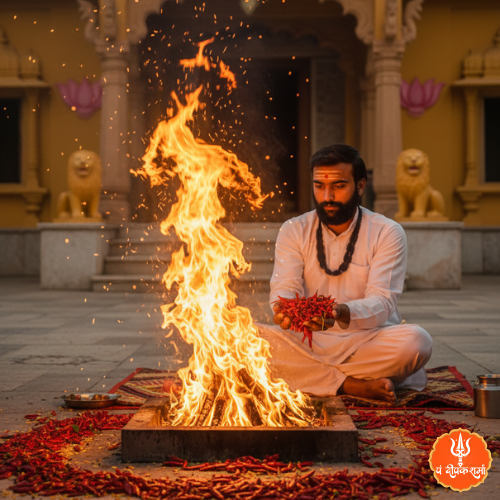
The baglamukhi Havan is a sacred ritual dedicated to Devi Baglamukhi, one of the ten Mahavidyas in Hindu tradition. This havan is performed to invoke the divine blessings of the goddess, who is revered for her power to grant victory over adversities and enemies. The term ‘Havan’ refers to the fire ritual where offerings are made into the sacred fire, symbolizing the purification of the mind and spirit. Through this ritual, devotees seek the goddess’s grace to overcome obstacles, achieve success in their endeavors, and attain peace in their lives.
In essence, the Baglamukhi Havan is not just a ceremonial act; it is a deep spiritual practice that connects the devotee with the divine energy of Baglamukhi Mata. It is believed that performing this havan with devotion and sincerity can lead to significant transformations in one’s life, especially in matters related to legal issues, career growth, and personal conflicts. The ritual serves as a medium to channel the divine energies, allowing devotees to experience the protective and empowering blessings of the goddess.
Moreover, the havan is often accompanied by specific mantras that resonate with the energies of the goddess, enhancing the effectiveness of the ritual. Each mantra has its own significance and is chanted with the intention of invoking the goddess’s blessings for victory and success. The Baglamukhi Havan thus becomes a powerful tool for devotees seeking guidance and support in their life’s challenges.
How This Ritual Helps
The Baglamukhi Havan is particularly beneficial for those facing challenges in their personal or professional lives. It is known to provide strength and clarity, helping individuals navigate through difficult situations with confidence. The ritual is especially effective for resolving conflicts, whether they be in the form of legal battles, disputes with enemies, or challenges in one’s career. By invoking the blessings of Baglamukhi Mata, devotees can find the courage to confront their adversaries and emerge victorious.
Additionally, this havan is a means of spiritual cleansing. The fire in the havan symbolizes the burning away of negativity and obstacles, allowing for new opportunities to arise. As the offerings are made, it is believed that the goddess absorbs the intentions of the devotee, transforming them into positive energy that manifests in their lives. This purification process not only aids in overcoming immediate challenges but also fosters long-term success and well-being.
The Baglamukhi Havan also serves as a reminder of the importance of faith and devotion. By participating in this ritual, devotees reaffirm their trust in the divine and their commitment to overcoming life’s hurdles. The collective energy generated during the havan creates a powerful atmosphere of positivity and hope, encouraging individuals to pursue their goals with renewed vigor.
Mythological Background
In Hindu mythology, Devi Baglamukhi is revered as the goddess of speech and power. She is often depicted seated on a throne, holding a tongue in her hand, symbolizing her ability to control speech and silence adversaries. Her divine powers are believed to be instrumental in granting victory over enemies and resolving conflicts. The mythology surrounding Baglamukhi is rich and profound, emphasizing her role as a protector and a source of strength for her devotees.
According to ancient texts, Baglamukhi is one of the ten Mahavidyas, each representing a unique aspect of the divine feminine energy. The worship of Baglamukhi is particularly significant during times of strife, as she is known to provide support to those who seek her blessings. The stories of her divine interventions in the lives of her devotees serve as inspiration, illustrating her capacity to transform challenges into opportunities for growth and success.
The Baglamukhi Havan is rooted in these mythological narratives, serving as a means to connect with the goddess’s energy. The rituals performed during the havan are steeped in tradition, reflecting the ancient practices that have been passed down through generations. By engaging in this sacred act, devotees not only honor the goddess but also align themselves with her divine will, inviting her blessings into their lives.
Who Should Perform This
The Baglamukhi Havan is suitable for anyone facing challenges in their life, particularly those involved in legal matters, career disputes, or personal conflicts. It is especially beneficial for individuals who feel overwhelmed by adversities or who are seeking clarity and direction in their lives. Those who are engaged in competitive fields, such as business or academics, may also find this havan helpful in gaining an edge over their competitors.
Moreover, the havan can be performed by individuals seeking to enhance their spiritual growth and connection with the divine. It is a powerful ritual for those who wish to cultivate inner strength and resilience, allowing them to navigate life’s challenges with grace. The act of performing the havan itself can be a transformative experience, fostering a deeper understanding of one’s purpose and the divine forces at play in their life.
Families facing conflicts or seeking harmony can also benefit from the Baglamukhi Havan. By performing this ritual together, family members can strengthen their bonds and create a positive environment conducive to growth and understanding. The collective energy generated during the havan can help dissolve tensions and foster a sense of unity and peace.
Step-by-Step Vidhi (Very Detailed)
To perform the Baglamukhi Havan, it is essential to follow a detailed Vedic procedure that honors the traditions associated with this sacred ritual. Here is a step-by-step guide to conducting the havan:
1. Preparation
Begin by selecting an auspicious date and time for the havan, preferably during a full moon or on a Friday, which is considered favorable for worshiping Baglamukhi Mata. Clean the space where the havan will be performed, ensuring it is free from any distractions. Set up a small altar with a picture or idol of Devi Baglamukhi, along with offerings such as flowers, fruits, and sweets.
2. Setting Up the Havan Kund
The havan kund, or fire pit, should be constructed using bricks or a metal container. It should be square or rectangular in shape, symbolizing stability and grounding. Place the havan kund in the center of the altar and fill it with dry wood, ghee, and other offerings. Ensure that the materials used are pure and of good quality, as they represent the offerings to the goddess.
3. Invoking the Deity
Before lighting the fire, invoke the presence of Devi Baglamukhi by chanting her mantras and offering prayers. Light a lamp and incense to purify the space, creating an atmosphere conducive to worship. As you chant the mantras, visualize the goddess enveloping you in her divine light, granting you her blessings.
4. Lighting the Fire
Once the space is prepared and the deity is invoked, light the fire in the havan kund. As the flames rise, offer ghee and other materials into the fire while chanting the specific mantras associated with Baglamukhi. This act symbolizes the surrender of your intentions and desires to the goddess, allowing her to transform them into reality.
5. Offering Prayers and Mantras
During the havan, recite the Baglamukhi mantra: ॐ ह्लीं बगलामुखि सर्वविघ्न नाशाय ह्लीं (Om Hleem Baglamukhi Sarva Vighna Nashaya Hleem). This mantra is powerful for overcoming obstacles and achieving victory. Repeat it with devotion, focusing on your intentions for the ritual. The repetition of the mantra creates a vibrational energy that resonates with the goddess, amplifying your prayers.
6. Concluding the Havan
After completing the offerings and chanting, conclude the havan by thanking Devi Baglamukhi for her blessings. Allow the fire to burn down completely, and collect the ashes, which are considered sacred. These ashes can be used as a protective talisman or sprinkled around your home for added blessings. Finally, distribute the prasad (offered food) among family members and devotees present, sharing the divine blessings received during the ritual.
Mantra for This Ritual
The primary mantra for the Baglamukhi Havan is ॐ ह्लीं बगलामुखि सर्वविघ्न नाशाय ह्लीं (Om Hleem Baglamukhi Sarva Vighna Nashaya Hleem). This mantra is a powerful invocation that calls upon the goddess to remove all obstacles and grant victory in all endeavors.
The mantra can be broken down as follows: ॐ (Om) represents the universal sound, the essence of the ultimate reality. ह्लीं (Hleem) is a bija (seed) mantra associated with Baglamukhi, symbolizing her energy and power. बगलामुखि (Baglamukhi) refers to the goddess herself, while सर्वविघ्न (Sarva Vighna) means all obstacles. नाशाय (Nashaya) translates to the removal or destruction of these obstacles.
Chanting this mantra with devotion and focus during the havan amplifies the energy of the ritual. It is believed that the vibrations created by the mantra resonate with the divine energy of Baglamukhi, facilitating the removal of barriers in one’s life and ensuring success in various endeavors. The mantra serves as a bridge between the devotee and the goddess, allowing for a direct connection to her divine will.
Do’s & Don’ts
When performing the Baglamukhi Havan, it is essential to adhere to certain do’s and don’ts to ensure the ritual is conducted properly and respectfully. Here are some guidelines to follow:
Do’s
- Perform the havan with a pure heart and sincere intentions.
- Use high-quality materials for the havan, including ghee, wood, and offerings.
- Dress in clean and traditional attire while performing the ritual.
- Maintain a calm and focused mind during the havan, free from distractions.
- Invite family members or close friends to participate, fostering a sense of community and shared devotion.
Don’ts
- Avoid using impure or low-quality materials for the havan.
- Do not engage in negative thoughts or actions during the ritual.
- Refrain from consuming alcohol or non-vegetarian food before or during the havan.
- Do not interrupt the ritual once it has begun; maintain the sanctity of the process.
- Avoid discussing worldly matters or conflicts during the havan.
When to Perform
The Baglamukhi Havan can be performed at any time, but certain auspicious days are particularly favorable. Performing the havan on Fridays, during the full moon, or on specific festivals dedicated to Devi Baglamukhi enhances its effectiveness. These times are believed to be charged with divine energy, making them ideal for invoking the goddess’s blessings.
Additionally, it is advisable to perform the havan during times of personal or professional challenges. If you are facing legal issues, career obstacles, or conflicts with enemies, conducting the havan can provide the necessary support and guidance. The ritual serves as a powerful tool for overcoming adversities, allowing you to align with the divine energies of Baglamukhi Mata.
Ultimately, the best time to perform the Baglamukhi Havan is when you feel a deep calling to connect with the goddess. Trust your intuition and seek her blessings whenever you feel the need for guidance and support in your life.
How Pandit Deepak Sharma can help
Pandit Deepak Sharma, a seasoned Vedic practitioner, specializes in performing Baglamukhi rituals, including the Baglamukhi Havan. With over 25 years of experience, he possesses a profound understanding of the Vedic traditions and the significance of each ritual. His expertise ensures that the havan is conducted with utmost devotion and adherence to the sacred Vedic procedures.
By seeking the guidance of Pandit Deepak Sharma, devotees can experience the full benefits of the Baglamukhi Havan. He provides personalized support, helping individuals articulate their intentions and connect deeply with the divine energies of Baglamukhi Mata. His presence during the ritual enhances the spiritual atmosphere, allowing devotees to immerse themselves fully in the experience.
Moreover, Pandit Deepak Sharma offers insights into the specific mantras and offerings that resonate with the individual’s unique circumstances. His guidance ensures that the havan is not just a ritual but a transformative experience that aligns with the devotee’s spiritual journey. For those seeking to overcome obstacles and achieve victory, his expertise is invaluable.
Nalkheda Temple Connection
The Nalkheda Temple, dedicated to Devi Baglamukhi, is a sacred site where devotees gather to seek the blessings of the goddess. The temple is renowned for its spiritual significance and the powerful energy that permeates the space. Performing the Baglamukhi Havan at this temple amplifies the effects of the ritual, as the divine presence of the goddess is felt strongly within its walls.
Visiting the Nalkheda Temple for the havan allows devotees to connect with the rich tradition of worshiping Baglamukhi Mata. The temple is a hub of spiritual activity, where rituals are performed with devotion and reverence. Engaging in the havan at this sacred site not only enhances the spiritual experience but also fosters a sense of community among devotees.
For those unable to visit the temple, Pandit Deepak Sharma offers the option of conducting the Baglamukhi Havan remotely, ensuring that devotees can still receive the blessings of the goddess. His connection to the temple and the divine energies present there allows for a seamless experience, regardless of location.
FAQ
What is the significance of the Baglamukhi Havan?
The Baglamukhi Havan holds immense significance in Hindu tradition as a means to invoke the blessings of Devi Baglamukhi. It is performed to seek victory over adversities, especially in legal matters and personal conflicts. The ritual serves as a powerful tool for spiritual cleansing and empowerment, allowing devotees to overcome obstacles and achieve their goals.
Can anyone perform the Baglamukhi Havan?
Yes, the Baglamukhi Havan can be performed by anyone seeking guidance and support in their life. It is particularly beneficial for individuals facing challenges in their careers, legal issues, or personal conflicts. Families can also participate together to foster unity and harmony.
What materials are needed for the havan?
Essential materials for the Baglamukhi Havan include ghee, dry wood, flowers, fruits, and sweets. It is important to use high-quality and pure materials to honor the goddess and enhance the effectiveness of the ritual. The havan kund should also be constructed with care, symbolizing stability and grounding.
How long does the havan take to perform?
The duration of the Baglamukhi Havan can vary depending on the specific rituals and offerings made. Typically, the havan may take anywhere from one to two hours. It is essential to conduct the ritual with patience and devotion, allowing the energies to flow freely.
What should I do after the havan?
After the havan, it is customary to collect the ashes, which are considered sacred and can be used for protection. Distributing the prasad among family members and devotees is also an important aspect, as it shares the blessings received during the ritual. It is advisable to maintain a positive mindset and continue to seek the goddess’s blessings in daily life.
How can I book a Baglamukhi Havan with Pandit Deepak Sharma?
To book a Baglamukhi Havan with Pandit Deepak Sharma, you can contact him directly through his website or phone. He offers personalized guidance and ensures that the havan is conducted according to Vedic traditions. His expertise and connection to the Nalkheda Temple enhance the spiritual experience for devotees.
Recommended Reading / Further Exploration
- Court Case Baglamukhi Puja: Step-by-Step Explanation
- Baglamukhi Havan for Victory for Small Businesses: Practical Implementation
- How to Use Court Case Baglamukhi Puja for Better Results
- Baglamukhi Puja Nalkheda, Madhya Pradesh: Everything You Need to Know
- Advanced Concepts of Baglamukhi (Explained Clearly)