Meaning of This Ritual
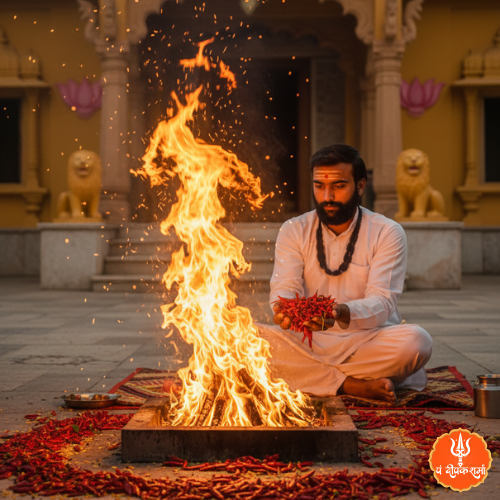
The baglamukhi Havan is a sacred ritual dedicated to Devi Baglamukhi, one of the ten Mahavidyas in Hindu tradition. This havan is performed to invoke the divine blessings of the goddess, who is revered for her power to grant victory over adversaries and obstacles. The essence of this ritual lies in its ability to transform negative energies into positive outcomes, especially in challenging situations such as legal battles, personal conflicts, or competitive scenarios. By performing this havan, devotees seek the goddess’s grace to overcome hurdles and achieve success in their endeavors.
In the context of victory, the havan serves as a powerful tool for spiritual cleansing and empowerment. It is believed that the vibrations created during the havan resonate with the energies of the universe, aligning the devotee’s intentions with divine will. The act of offering oblations into the sacred fire symbolizes surrendering one’s fears and doubts to the goddess, thereby inviting her protective and guiding presence into one’s life.
Moreover, the Baglamukhi Havan is not merely a ritual; it is a profound spiritual experience that fosters a deep connection between the devotee and the divine. Through the chanting of mantras and the performance of specific rites, practitioners cultivate a sense of devotion and reverence, which enhances the effectiveness of the ritual. This connection is vital for manifesting the desired outcomes, as it aligns the devotee’s heart and mind with the divine energy of Baglamukhi Mata.
How This Ritual Helps
The Baglamukhi Havan is particularly beneficial for those facing challenges in various aspects of life. Whether it is a court case, a competitive exam, or personal conflicts, this ritual is designed to provide spiritual support and guidance. The havan helps in removing obstacles and ensuring that the devotee is aligned with the energies of victory and success. It is believed that through the blessings of Devi Baglamukhi, one can gain clarity, strength, and the ability to navigate through difficult situations with confidence.
One of the primary benefits of performing the Baglamukhi Havan is its ability to enhance one’s mental focus and determination. The ritual involves the chanting of specific mantras that invoke the goddess’s energy, which is known to sharpen the intellect and improve decision-making abilities. This is especially crucial for students preparing for exams or individuals involved in legal matters, where clarity of thought and strategic planning are essential for success.
Additionally, the havan serves as a protective shield against negative influences, including enemies and adversaries. By invoking the goddess’s blessings, devotees can experience a sense of security and assurance, knowing that they are under the divine protection of Baglamukhi Mata. This protective aspect of the ritual is particularly important for those who feel threatened or challenged by external forces, as it empowers them to stand firm and face their challenges with courage.
Mythological Background
The mythology surrounding Devi Baglamukhi is rich and profound, reflecting her significance in Hindu tradition. She is often depicted as a fierce goddess, symbolizing the power of speech and the ability to control one’s enemies. According to ancient texts, Baglamukhi is known to have subdued the demon Madan, who represented ignorance and chaos. By defeating him, she established order and harmony in the universe, showcasing her role as a protector and a guide for her devotees.
In various scriptures, Devi Baglamukhi is associated with the concept of ‘Shakti,’ or divine energy, which is essential for overcoming obstacles and achieving success. Her devotees believe that by invoking her energy through rituals like the Baglamukhi Havan, they can tap into this divine power to manifest their desires. The goddess is often worshipped during auspicious occasions, particularly during Chaitra Navratri, when her blessings are sought for victory and prosperity.
The stories of Baglamukhi’s divine interventions are numerous, illustrating her unwavering support for her devotees. One such tale recounts how she helped a king regain his throne after being usurped by enemies. Through her guidance and the performance of specific rituals, the king was able to reclaim his rightful place, demonstrating the transformative power of devotion and the effectiveness of the Baglamukhi Havan in overcoming challenges.
Who Should Perform This
The Baglamukhi Havan is suitable for anyone seeking victory over obstacles in their life. It is particularly beneficial for individuals involved in legal disputes, competitive examinations, or those facing challenges in their careers. Students preparing for exams can also greatly benefit from this ritual, as it enhances focus and clarity of thought, essential for academic success.
Moreover, individuals who feel threatened by adversaries or negative influences in their personal or professional lives are encouraged to perform this havan. The protective energies of Devi Baglamukhi can help shield them from harm and empower them to confront their challenges with confidence. This ritual is also recommended for those seeking to improve their communication skills, as Baglamukhi is associated with the power of speech and expression.
In essence, anyone who wishes to cultivate a sense of empowerment, clarity, and victory in their life can benefit from the Baglamukhi Havan. It is a powerful spiritual practice that aligns the devotee’s intentions with divine will, facilitating a journey towards success and fulfillment.
Step-by-Step Vidhi (Very Detailed)
Performing the Baglamukhi Havan requires adherence to specific Vedic rituals to ensure its effectiveness. The following steps outline the detailed process:
Preparation
Before commencing the havan, it is essential to prepare the sacred space. This involves cleaning the area where the havan will take place and setting up an altar dedicated to Devi Baglamukhi. The altar should be adorned with flowers, fruits, and a picture or idol of the goddess. It is also important to gather all necessary materials, including ghee, samagri (havan materials), and the sacred fire pit (havan kund).
Devotees should take a bath and wear clean, preferably white or yellow clothes, symbolizing purity and devotion. It is advisable to meditate for a few moments to center oneself and focus on the intentions behind the havan.
Invoking the Deity
Once the preparations are complete, the next step is to invoke the presence of Devi Baglamukhi. This is done by chanting specific mantras and offering prayers. The primary mantra for this ritual is:
ॐ ह्लीं बगलामुखि सर्वविघ्न नाशाय ह्लीं
Transliteration: Om Hleem Baglamukhi Sarvavighna Nashaya Hleem
Meaning: This mantra is a powerful invocation to remove all obstacles and grant victory.
Chant this mantra with devotion, visualizing the goddess’s presence and seeking her blessings for success in your endeavors.
Performing the Havan
With the deity invoked, the next step is to perform the actual havan. Begin by lighting the sacred fire in the havan kund using dry wood and ghee. Once the fire is ablaze, offer the samagri into the fire while chanting the mantra. Each offering should be made with a specific intention, focusing on the challenges you wish to overcome.
As the offerings are made, it is essential to maintain a meditative state, visualizing the desired outcomes and expressing gratitude to Devi Baglamukhi for her blessings. The havan should continue for a prescribed duration, typically around 30 to 45 minutes, allowing the energies to build and resonate.
Concluding the Ritual
After the havan is complete, offer a final prayer of gratitude to Devi Baglamukhi, thanking her for her presence and blessings. It is customary to distribute prasad (blessed food) among family and friends as a symbol of sharing the divine blessings. Devotees should also take a moment to reflect on the experience, reinforcing their intentions and commitment to overcoming challenges with the goddess’s guidance.
Mantra for This Ritual
The primary mantra for the Baglamukhi Havan is:
ॐ ह्लीं बगलामुखि सर्वविघ्न नाशाय ह्लीं
Transliteration: Om Hleem Baglamukhi Sarvavighna Nashaya Hleem
This mantra is a powerful invocation that seeks to remove all obstacles and grant victory. The syllable ‘Hleem’ is considered a seed mantra that embodies the essence of the goddess’s energy. When chanted with devotion, it is believed to activate the divine energies of Baglamukhi, aligning the devotee’s intentions with her will.
Chanting this mantra during the havan creates a sacred vibration that resonates with the universe, inviting the goddess’s blessings into the devotee’s life. It is recommended to chant this mantra a specific number of times, often 108, to enhance its effectiveness. The repetition of the mantra fosters a deep connection with the goddess, allowing her divine energy to flow into the devotee’s life, facilitating the removal of obstacles and the attainment of success.
Do’s & Don’ts
To ensure the effectiveness of the Baglamukhi Havan, it is essential to follow certain do’s and don’ts:
Do’s
- Perform the havan with a pure heart and focused intentions.
- Use fresh and quality materials for the havan, including ghee and samagri.
- Maintain a clean and sacred environment during the ritual.
- Chant the mantras with devotion and concentration.
- Offer gratitude to Devi Baglamukhi after the ritual.
Don’ts
- Do not perform the havan in a hurried or distracted manner.
- Avoid using stale or impure materials for the offerings.
- Do not engage in negative thoughts or actions during the ritual.
- Refrain from consuming non-vegetarian food or alcohol before the havan.
- Do not interrupt the ritual once it has commenced.
When to Perform
The Baglamukhi Havan can be performed at any time, but certain auspicious occasions enhance its effectiveness. One of the most favorable times to conduct this ritual is during Chaitra Navratri, a period dedicated to the worship of the goddess. This festival typically falls in March or April, and it is believed that the energies of the goddess are particularly potent during this time.
Additionally, devotees may choose to perform the havan on specific days that hold significance in their personal lives, such as before important exams, legal proceedings, or significant career decisions. Performing the havan on a Monday or a Friday is also considered auspicious, as these days are associated with the divine feminine energy.
Ultimately, the best time to perform the Baglamukhi Havan is when the devotee feels a strong calling to seek the goddess’s blessings. Listening to one’s intuition and aligning the ritual with personal needs can enhance the spiritual experience and effectiveness of the havan.
How Pandit Deepak Sharma can help
Pandit Deepak Sharma is an experienced Vedic practitioner specializing in Baglamukhi rituals and havans. With over 25 years of experience, he offers authentic guidance and support to devotees seeking to perform the Baglamukhi Havan. His deep understanding of Vedic traditions ensures that each ritual is conducted with precision and devotion, aligning with the sacred practices passed down through generations.
By consulting with Pandit Deepak Sharma, devotees can receive personalized guidance on the best times to perform the havan, the materials required, and the specific intentions to focus on during the ritual. His expertise not only enhances the effectiveness of the havan but also provides a sense of reassurance and spiritual support to those facing challenges.
Moreover, Pandit Deepak Sharma’s connection to the Nalkheda Baglamukhi Temple adds an additional layer of authenticity to the rituals he performs. Devotees can feel confident that their havans are being conducted in accordance with the highest standards of Vedic tradition, ensuring a profound spiritual experience that resonates with the divine energies of Baglamukhi Mata.
Nalkheda Temple Connection
The Nalkheda Baglamukhi Temple, located in Madhya Pradesh, is a significant pilgrimage site for devotees of Devi Baglamukhi. This temple is renowned for its rich history and the powerful energies associated with the goddess. Many devotees visit the temple to seek blessings and perform rituals, including the Baglamukhi Havan, as part of their spiritual journey.
The temple is a sacred space where devotees can connect with the divine and experience the transformative power of Baglamukhi Mata. The atmosphere is filled with devotion and reverence, making it an ideal setting for performing the havan. Visitors often report feeling a deep sense of peace and empowerment while at the temple, reinforcing the belief in the goddess’s protective and guiding presence.
For those unable to visit the temple in person, Pandit Deepak Sharma offers the option of conducting havans remotely, ensuring that devotees can still receive the blessings of Devi Baglamukhi from afar. This connection to the temple and the goddess is vital for many, as it fosters a sense of community and shared devotion among followers of Baglamukhi Mata.
FAQ
Recommended Reading / Further Exploration
- Advanced Concepts of Baglamukhi Mirchi Havan for Court Case (Explained Clearly)
- Complete Guide to Baglamukhi Mirchi Anushthan
- How to Use Pandit Deepak Sharma Baglamukhi for Better Results
- Baglamukhi Havan Experience: Beginner to Pro in One Detailed Guide
- Common Mistakes in Chaitra Navratri Baglamukhi Havan and How to Fix Them