Meaning of This Ritual
Chaitra Navratri is a sacred period dedicated to the worship of Goddess Durga, celebrated with great devotion across India. It is a time when devotees engage in various rituals and poojas to seek blessings for prosperity, health, and spiritual growth. Among these rituals, the baglamukhi Havan holds a special significance, especially for those seeking protection from adversaries and obstacles. This ritual not only invokes the divine energy of Baglamukhi Mata but also helps in overcoming challenges that may arise during this auspicious period.
The essence of the Baglamukhi Havan lies in its ability to channel divine energies for the removal of negativity and the enhancement of one’s spiritual journey. The havan involves the chanting of specific mantras, offerings to the sacred fire, and the invocation of Goddess Baglamukhi, who is revered as the deity of speech, wisdom, and victory. By performing this ritual during Chaitra Navratri, devotees align themselves with the powerful energies of the goddess, ensuring a fruitful and spiritually uplifting experience.
How This Ritual Helps
The Baglamukhi Havan during Chaitra Navratri serves multiple purposes for devotees. Firstly, it acts as a protective shield against enemies and negative influences. The goddess is known for her ability to silence adversaries and grant victory in legal matters, making this havan particularly beneficial for those facing court cases or disputes. By invoking her blessings, devotees can experience a sense of relief and empowerment, enabling them to navigate through challenges with confidence.
Secondly, this ritual enhances one’s spiritual growth and clarity of thought. The chanting of mantras and the offerings made during the havan help in purifying the mind and soul, allowing devotees to connect deeply with their spiritual selves. This connection fosters a sense of peace and tranquility, essential for personal growth and development. Furthermore, the collective energy generated during the havan creates a positive atmosphere, attracting prosperity and abundance into the lives of the participants.
Mythological Background
The worship of Baglamukhi Mata is rooted in ancient Hindu mythology, where she is depicted as one of the ten Mahavidyas, embodying the power of knowledge and wisdom. According to the scriptures, she is often portrayed as a beautiful woman with a serene expression, holding a tongue of a demon in her hand, symbolizing her ability to control speech and silence negativity. The story of her emergence is linked to the cosmic battle between the forces of good and evil, where she played a crucial role in defeating the demons through her divine powers.
One of the most significant myths associated with Baglamukhi is her intervention during the battle of the gods and demons. When the gods were losing to the demons, they invoked her blessings, and she appeared to assist them. Her divine presence turned the tide of the battle, showcasing her power to protect and guide her devotees. This mythological background reinforces the importance of performing the Baglamukhi Havan, especially during Chaitra Navratri, as it is believed that the goddess is particularly receptive to the prayers and offerings made during this time.
Who Should Perform This
The Baglamukhi Havan is suitable for all devotees seeking protection and guidance in their lives. However, it is especially beneficial for individuals facing legal challenges, conflicts with enemies, or those who feel overwhelmed by negativity in their personal or professional lives. Business owners, students preparing for competitive exams, and individuals seeking career advancements can also greatly benefit from this ritual.
Moreover, anyone who wishes to enhance their spiritual practice and connect more deeply with the divine can participate in this havan. It is a collective ritual that fosters community spirit and encourages participants to support one another in their spiritual journeys. Therefore, whether you are a seasoned devotee or someone new to the practices of Baglamukhi Mata, this havan provides an opportunity for spiritual growth and empowerment.
Step-by-Step Vidhi (Very Detailed)
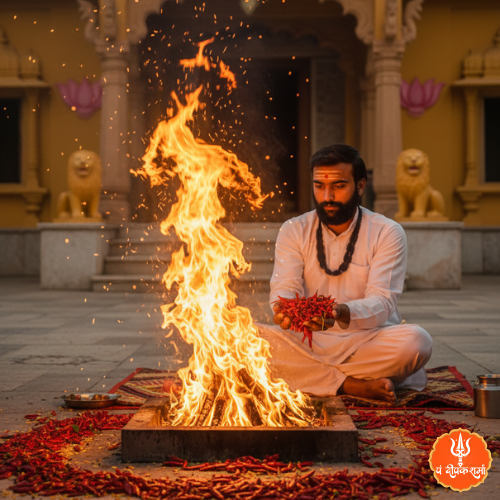
The Baglamukhi Havan involves a series of meticulously planned steps that must be followed to ensure its effectiveness. The first step is to prepare the havan kund, a sacred fire pit, which should be made of clay or metal. It should be placed in a clean and auspicious location, preferably facing the east. Once the kund is ready, the next step is to purify the space by sprinkling holy water and chanting mantras to invoke the presence of the goddess.
Next, gather the necessary materials for the havan, including ghee, samagri (a mixture of herbs and grains), and flowers. Each item holds a specific significance and is offered to the fire during the ritual. As the offerings are made, it is essential to chant the Baglamukhi mantra, which invokes her blessings and protection. The mantra should be recited with devotion and focus, allowing the energy of the words to resonate within the space.
As the havan progresses, devotees should engage in collective chanting and meditation, creating a powerful atmosphere of devotion. It is important to maintain a calm and focused mindset throughout the ritual, as this enhances the connection with the divine. After the havan is completed, the remnants of the offerings can be distributed among participants as prasad, symbolizing the blessings received from Baglamukhi Mata.
Mantra for This Ritual
The primary mantra for the Baglamukhi Havan is:
ॐ ह्लीं बगलामुखि सर्वविघ्न नाशाय ह्लीं
Om Hleem Baglamukhi Sarva Vighna Nashaya Hleem
This mantra is a powerful invocation that seeks the removal of all obstacles and challenges. The syllable ‘Hleem’ is known for its potency in spiritual practices, representing the energy of the goddess. By chanting this mantra with sincerity and devotion, devotees can invoke Baglamukhi’s blessings for success and protection.
The meaning of this mantra emphasizes the removal of all hindrances in one’s life. It is a call to the goddess to assist in overcoming difficulties, whether they are related to personal, professional, or spiritual aspects. By focusing on this mantra during the havan, devotees align themselves with the divine energy, enhancing their chances of success and victory in their endeavors.
Do’s & Don’ts
When performing the Baglamukhi Havan, there are certain do’s and don’ts that devotees should keep in mind to ensure the ritual’s success. Among the do’s, it is essential to maintain a pure and positive mindset. Devotees should approach the ritual with sincerity and devotion, free from distractions and negative thoughts. It is also advisable to wear clean and traditional attire, as this enhances the spiritual atmosphere.
Another important aspect is to ensure that all materials used for the havan are pure and of high quality. This includes ghee, samagri, and flowers, as they represent the offerings made to the goddess. Additionally, engaging in collective chanting and meditation during the havan can amplify the energy and blessings received.
On the other hand, there are certain practices to avoid during the ritual. It is crucial not to engage in negative talk or thoughts, as this can disrupt the positive energy generated during the havan. Furthermore, avoid using impure or low-quality materials, as this can diminish the effectiveness of the offerings. Lastly, refrain from rushing through the ritual; each step should be performed with care and devotion to honor the goddess properly.
When to Perform
The ideal time to perform the Baglamukhi Havan is during the Chaitra Navratri, which typically falls in the months of March or April. This period is considered highly auspicious for worshipping the goddess, as it marks the arrival of spring and the renewal of life. Each day of Navratri is dedicated to a different form of the goddess, and the energy during this time is particularly potent for spiritual practices.
In addition to the Navratri period, devotees can also perform the Baglamukhi Havan on specific days that hold significance in the Hindu calendar, such as Mondays, Fridays, and during the full moon. These days are believed to enhance the effectiveness of the rituals, allowing devotees to connect more deeply with the divine energies of Baglamukhi Mata.
How Pandit Deepak Sharma can help
Pandit Deepak Sharma, with his extensive experience in performing Baglamukhi rituals, can guide devotees in conducting the Baglamukhi Havan with authenticity and devotion. His profound understanding of Vedic traditions ensures that each ritual is performed according to the prescribed methods, allowing participants to receive the maximum benefits from their offerings. By seeking his guidance, devotees can ensure that their prayers are directed with sincerity and focus, enhancing their spiritual experience.
Moreover, Pandit Deepak Sharma can provide personalized advice on the specific needs and intentions of each devotee, tailoring the havan to address individual challenges and aspirations. His presence during the ritual fosters a sense of community and support, creating a spiritually uplifting environment for all participants. For those unable to attend in person, he also offers online consultations, ensuring that everyone can benefit from his wisdom and guidance.
Nalkheda Temple Connection
The Nalkheda Temple, dedicated to Baglamukhi Mata, is a revered pilgrimage site for devotees seeking her blessings. The temple is known for its serene atmosphere and the powerful energy that resonates within its walls. Performing the Baglamukhi Havan at this sacred site amplifies the spiritual experience, as the vibrations of the temple enhance the connection with the goddess.
Visiting the Nalkheda Temple during Chaitra Navratri provides an opportunity for devotees to immerse themselves in the divine energies of Baglamukhi Mata. The temple hosts various rituals and celebrations during this period, attracting devotees from far and wide. Participating in the Baglamukhi Havan at the temple allows individuals to experience the collective devotion of the community, fostering a sense of unity and shared spiritual purpose.
FAQ
What is the significance of Baglamukhi Havan during Chaitra Navratri?
The Baglamukhi Havan during Chaitra Navratri holds immense significance as it aligns devotees with the divine energies of Goddess Baglamukhi. This period is considered highly auspicious for spiritual practices, and the havan serves as a powerful means to invoke the goddess’s blessings for protection, victory, and spiritual growth. By performing this ritual, devotees can overcome obstacles and enhance their spiritual journey.
Moreover, the collective energy generated during the havan creates a positive atmosphere that attracts prosperity and abundance. It is a time when the goddess is particularly receptive to the prayers and offerings made by her devotees, making it an ideal opportunity to seek her blessings for various aspects of life.
Can anyone perform the Baglamukhi Havan?
Yes, the Baglamukhi Havan is open to all devotees, regardless of their spiritual background or experience. It is a collective ritual that encourages participation and fosters a sense of community among devotees. Whether you are facing legal challenges, seeking protection from enemies, or simply wishing to enhance your spiritual practice, this havan provides an opportunity for everyone to connect with the divine.
However, it is essential to approach the ritual with sincerity and devotion. Those who wish to perform the havan should be prepared to engage in the process wholeheartedly, following the prescribed vidhi to ensure its effectiveness. Seeking guidance from experienced practitioners, such as Pandit Deepak Sharma, can further enhance the experience and ensure that the ritual is performed correctly.
What materials are needed for the Baglamukhi Havan?
The materials required for the Baglamukhi Havan include ghee, samagri (a mixture of herbs and grains), flowers, and a havan kund (fire pit). Each item holds specific significance and is offered to the sacred fire during the ritual. It is crucial to use pure and high-quality materials to honor the goddess and enhance the effectiveness of the offerings.
Additionally, devotees may also include items such as fruits and sweets to be offered as prasad after the havan. These offerings symbolize gratitude and devotion towards the goddess, further strengthening the connection between the devotee and the divine.
How can I ensure the effectiveness of the havan?
To ensure the effectiveness of the Baglamukhi Havan, it is vital to maintain a pure and positive mindset throughout the ritual. Devotees should approach the havan with sincerity, free from distractions and negative thoughts. Engaging in collective chanting and meditation during the ritual can also amplify the energy and blessings received.
Moreover, following the prescribed vidhi meticulously and using pure materials for the offerings will enhance the effectiveness of the havan. Seeking guidance from experienced practitioners, such as Pandit Deepak Sharma, can provide additional insights and support, ensuring that the ritual is conducted in alignment with Vedic traditions.
Is it necessary to perform the havan at a temple?
While performing the Baglamukhi Havan at a temple, such as the Nalkheda Temple, can amplify the spiritual experience due to the temple’s sacred energy, it is not strictly necessary. Devotees can perform the havan at home or in any clean and auspicious location. The key is to create a pure and focused environment that allows for a deep connection with the divine.
However, participating in the havan at the temple during Chaitra Navratri provides an opportunity to immerse oneself in the collective devotion of the community, enhancing the spiritual atmosphere. It is a unique experience that many devotees cherish, as it fosters a sense of unity and shared purpose among participants.