Meaning of This Ritual
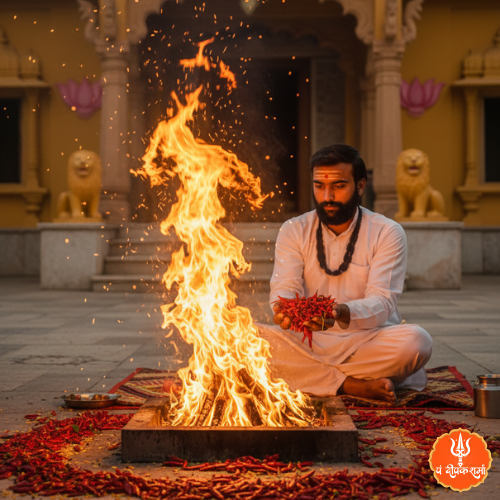
The Baglamukhi havan is a sacred ritual dedicated to Devi Baglamukhi, one of the ten Mahavidyas in Hinduism. This havan is performed to invoke the divine blessings of the goddess, who is revered for her power to remove obstacles, defeat enemies, and grant wisdom. The essence of this ritual lies in its ability to purify the environment and the devotee’s mind, creating a conducive atmosphere for spiritual growth and success. The flames of the havan symbolize the destruction of negativity and the emergence of positive energies, making it a vital practice for those seeking relief from adversities.
In the context of Baglamukhi, the havan serves as a means to connect with the goddess’s divine energy, allowing devotees to seek her guidance and support in overcoming challenges. It is essential to perform this ritual with utmost devotion and adherence to Vedic traditions to ensure its effectiveness. Understanding the significance of each element involved in the havan enhances the devotee’s experience and strengthens their connection with the divine.
How This Ritual Helps
The Baglamukhi Havan is known for its multifaceted benefits. Primarily, it aids in the removal of enemies and obstacles, making it an ideal choice for individuals facing challenges in their personal or professional lives. The ritual invokes the protective energies of the goddess, providing the devotee with strength and resilience to confront adversities. Additionally, it is believed to enhance mental clarity and focus, which are crucial for making sound decisions and achieving success in various endeavors.
Furthermore, the havan is also beneficial for those involved in legal disputes or facing challenges in court cases. By performing the Baglamukhi Havan, devotees seek the goddess’s blessings for victory and justice. The ritual is a powerful tool for spiritual cleansing, helping individuals release negative energies and emotions that may be hindering their progress. This purification process is vital for fostering a positive mindset and attracting auspicious opportunities.
Mythological Background
The mythology surrounding Devi Baglamukhi is rich and profound. She is often depicted as a fierce goddess, wielding a tongue and a club, symbolizing her power to silence enemies and protect her devotees. According to ancient texts, Baglamukhi is the embodiment of divine knowledge and wisdom, representing the ultimate truth that dispels ignorance. Her worship is believed to grant devotees the ability to overcome fear and doubt, enabling them to stand firm against adversities.
One of the most significant legends associated with Baglamukhi involves her role in the battle between the gods and demons. When the demons threatened the cosmic order, Baglamukhi intervened, using her divine powers to subdue them. This act of valor not only restored balance but also established her as a protector of righteousness. The Baglamukhi Havan is performed to honor her strength and to seek her blessings for protection against negativity and harm.
Who Should Perform This
The Baglamukhi Havan is suitable for anyone facing challenges in their lives, whether they are personal, professional, or spiritual. Individuals involved in legal matters, business disputes, or those seeking career advancement can greatly benefit from this ritual. It is particularly recommended for those who feel overwhelmed by negative energies or adversities that seem insurmountable. The havan serves as a means to invoke the goddess’s blessings, providing the devotee with the strength and clarity needed to navigate their challenges.
Moreover, individuals seeking spiritual growth and enlightenment can also perform the Baglamukhi Havan. The ritual not only aids in overcoming obstacles but also enhances mental focus and clarity, making it easier for devotees to pursue their spiritual goals. It is essential for participants to approach the havan with a sincere heart and a clear intention, as this will amplify the effectiveness of the ritual.
Step-by-Step Vidhi (Very Detailed)
To perform the Baglamukhi Havan, one must follow a detailed Vedic procedure that ensures the ritual’s sanctity and effectiveness. The first step involves selecting an auspicious date and time for the havan, ideally during a favorable lunar phase. This is crucial as it aligns the energies of the ritual with cosmic forces. Once the timing is set, the devotee should prepare the havan kund, a sacred fire pit, ensuring it is clean and free from any impurities.
Next, gather the necessary materials, including ghee, various types of wood, and specific herbs that are traditionally used in the havan. Each item has its significance and contributes to the overall energy of the ritual. Before beginning the havan, the devotee should take a bath and wear clean, preferably white or yellow clothes, as these colors are associated with purity and devotion.
Once everything is prepared, the devotee should invoke the presence of Devi Baglamukhi by chanting her mantras and offering flowers and fruits at the altar. The actual havan involves making offerings into the fire while reciting specific mantras dedicated to the goddess. This process should be done with full concentration and devotion, as the energy generated during the havan is believed to attract the goddess’s blessings. After the havan concludes, the remnants of the offerings can be distributed among participants as prasad, symbolizing the goddess’s grace.
Mantra for This Ritual
The primary mantra for the Baglamukhi Havan is:
ॐ ह्लीं बगलामुखि सर्वविघ्न नाशाय ह्लीं
Transliteration: Om Hleem Baglamukhi Sarvavighna Nashaya Hleem
This mantra is a powerful invocation of Devi Baglamukhi, seeking her blessings to remove all obstacles and challenges. The syllable ‘Hleem’ is a bija mantra that encapsulates the essence of the goddess’s energy, while the phrase ‘Sarvavighna Nashaya’ translates to the removal of all difficulties. Reciting this mantra during the havan enhances the connection with the goddess and amplifies the energy of the ritual.
Understanding the significance of this mantra is essential for its effective use. Each syllable resonates with specific energies that align with the divine power of Baglamukhi. By chanting this mantra with devotion and focus, devotees can channel the goddess’s blessings into their lives, paving the way for success and prosperity. It is recommended to recite this mantra multiple times during the havan, especially when making offerings into the fire.
Do’s & Don’ts
To ensure the success of the Baglamukhi Havan, it is essential to adhere to certain do’s and don’ts. Among the do’s, it is crucial to maintain a clean and sacred environment during the ritual. This includes wearing clean clothes, taking a bath before the havan, and ensuring that the havan kund is free from impurities. Devotees should also approach the ritual with a pure heart and clear intentions, as this enhances the effectiveness of the offerings made to the goddess.
On the other hand, there are several don’ts to be mindful of. Avoid consuming non-vegetarian food or alcohol before and during the ritual, as these substances are considered impure in Vedic traditions. Additionally, refrain from engaging in negative thoughts or actions, as these can hinder the flow of positive energies during the havan. It is also advisable not to rush through the ritual; each step should be performed with patience and devotion to honor the goddess appropriately.
When to Perform
The timing of the Baglamukhi Havan plays a significant role in its effectiveness. Ideally, it should be performed on auspicious days such as Navratri, during the waxing phase of the moon, or on specific days dedicated to Devi Baglamukhi. These timings align the energies of the ritual with cosmic forces, enhancing the likelihood of receiving the goddess’s blessings. It is also beneficial to perform the havan during personal crises or when facing significant challenges, as this can provide immediate spiritual support.
Additionally, devotees can consider performing the havan on their birthdays or during significant life events, as these occasions are often charged with personal energy. This can amplify the effects of the ritual, making it a powerful tool for transformation and growth. Ultimately, the best time to perform the Baglamukhi Havan is when the devotee feels a sincere need for divine intervention and support.
How Pandit Deepak Sharma can help
Pandit Deepak Sharma, with his extensive experience in performing Baglamukhi rituals, can provide invaluable guidance and support for those looking to conduct the Baglamukhi Havan. His deep understanding of Vedic traditions ensures that the havan is performed with the utmost authenticity and devotion, maximizing its spiritual benefits. By consulting with Pandit Deepak Sharma, devotees can gain insights into the best timings, materials, and procedures for the havan, tailored to their specific needs.
Furthermore, Pandit Deepak Sharma can assist in creating a personalized approach to the ritual, ensuring that the devotee’s intentions are clearly articulated and honored during the havan. His presence during the ritual serves to enhance the energy and sanctity of the proceedings, allowing devotees to connect more deeply with Devi Baglamukhi. For those seeking to navigate challenging situations, having an experienced pandit by their side can provide reassurance and spiritual strength.
Nalkheda Temple Connection
The Nalkheda Temple, dedicated to Devi Baglamukhi, is a significant pilgrimage site for devotees seeking her blessings. The temple’s serene environment and sacred atmosphere make it an ideal location for performing the Baglamukhi Havan. Visiting the temple allows devotees to immerse themselves in the divine energy of the goddess, enhancing the overall experience of the ritual. The temple’s history and spiritual significance further amplify the power of the havan, making it a cherished practice among devotees.
At the Nalkheda Temple, devotees can participate in various rituals and offerings dedicated to Devi Baglamukhi, including the Baglamukhi Havan. The temple’s priests, including Pandit Deepak Sharma, are well-versed in the intricacies of the rituals and can guide devotees in performing them correctly. This connection to the temple not only enriches the spiritual experience but also fosters a sense of community among devotees, creating a supportive environment for those seeking the goddess’s blessings.
FAQ
What is the significance of the Baglamukhi Havan?
The Baglamukhi Havan holds immense significance in Hindu rituals, primarily as a means to invoke the blessings of Devi Baglamukhi. This ritual is performed to remove obstacles, defeat enemies, and attain success in various endeavors. The havan creates a sacred space where devotees can connect with the goddess, allowing them to seek her guidance and support in overcoming challenges. The flames of the havan symbolize the destruction of negativity, making it a powerful tool for spiritual cleansing and growth.
Additionally, the havan is particularly beneficial for those facing legal disputes or challenges in their careers. By performing this ritual, devotees seek the goddess’s blessings for victory and justice, enhancing their chances of success in difficult situations. The overall energy generated during the havan is believed to attract positive outcomes, making it a cherished practice among devotees.
Can anyone perform the Baglamukhi Havan?
Yes, anyone can perform the Baglamukhi Havan, regardless of their background or spiritual experience. The ritual is open to all who seek the blessings of Devi Baglamukhi for overcoming obstacles and challenges. However, it is essential for participants to approach the havan with sincerity and devotion, as this enhances the effectiveness of the ritual. Individuals facing personal or professional challenges, as well as those seeking spiritual growth, can greatly benefit from this practice.
While anyone can perform the havan, it is advisable to seek guidance from an experienced pandit, such as Pandit Deepak Sharma, to ensure that the ritual is conducted correctly and in accordance with Vedic traditions. This guidance can help maximize the benefits of the havan and provide a deeper connection with the goddess.
What materials are needed for the Baglamukhi Havan?
To perform the Baglamukhi Havan, several materials are required, each holding specific significance in the ritual. Essential items include ghee, various types of wood (such as mango or neem), and specific herbs traditionally used in havans. These materials contribute to the overall energy of the ritual and are crucial for making offerings into the fire.
It is also important to have a clean havan kund, which is the sacred fire pit where the offerings will be made. Additionally, flowers, fruits, and incense may be used to enhance the atmosphere and create a more inviting space for the divine energies. Having the right materials is essential for the success of the havan, and consulting with an experienced pandit can provide clarity on what is needed for the ritual.
How long does the Baglamukhi Havan take?
The duration of the Baglamukhi Havan can vary depending on the specific rituals and the number of offerings made. Generally, the havan can take anywhere from one to three hours. This time includes the preparation of the havan kund, the chanting of mantras, and the actual process of making offerings into the fire.
It is important to approach the havan with patience, as rushing through the ritual can diminish its effectiveness. Each step should be performed with care and devotion, allowing the devotee to fully immerse themselves in the experience. For those unfamiliar with the process, having an experienced pandit to guide them can help ensure that the havan is conducted smoothly and respectfully.
What should I do after the Baglamukhi Havan?
After completing the Baglamukhi Havan, it is customary to distribute the remnants of the offerings, known as prasad, among the participants. This symbolizes the goddess’s blessings and serves as a reminder of the divine connection established during the ritual. Consuming prasad is considered auspicious and is believed to bring good fortune and positive energy into one’s life.
Additionally, devotees should take a moment to reflect on their intentions and express gratitude to Devi Baglamukhi for her blessings. This reflection can enhance the spiritual experience and solidify the connection with the goddess. It is also advisable to maintain a positive mindset and continue engaging in spiritual practices to further nurture the energies invoked during the havan.