Meaning of This Ritual
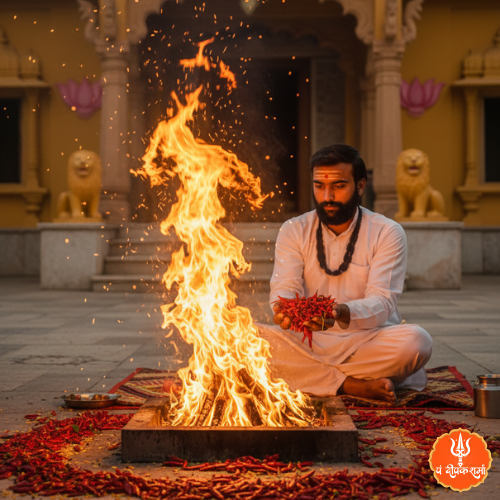
Chaitra Navratri Havan is a sacred ritual performed during the auspicious days of Navratri, dedicated to the divine energy of Devi baglamukhi. This ritual holds immense significance as it is believed to invoke the blessings of the goddess for protection, wisdom, and victory over adversities. The havan, or fire ritual, symbolizes the purification of the mind and soul, allowing devotees to connect deeply with the divine essence of Baglamukhi Mata.
The essence of this ritual lies in its ability to dispel negativity and obstacles in one’s life. It is a time when devotees seek the goddess’s grace to overcome challenges, especially in legal matters, career growth, and personal conflicts. The Chaitra Navratri Havan is not merely a ceremonial act; it is a heartfelt prayer that resonates with the energies of the universe, aligning the devotee’s intentions with divine will.
Moreover, the havan serves as a medium to express gratitude and devotion towards the goddess. Through the offerings made in the sacred fire, devotees seek forgiveness for past mistakes and aspire for a brighter future. The flames of the havan symbolize the burning away of ignorance and the illumination of wisdom, making it a powerful tool for spiritual growth and transformation.
How This Ritual Helps
The Chaitra Navratri Havan is a profound spiritual practice that aids devotees in various aspects of life. Firstly, it is known for its efficacy in resolving legal issues and court cases. By invoking the blessings of Baglamukhi Mata, who is revered as the goddess of speech and authority, devotees find strength and clarity in their legal battles. The mantra associated with this havan, “ॐ ह्लीं वाद-विजयाय ह्लीं फट्,” is particularly powerful in ensuring victory in disputes and conflicts.
Secondly, this ritual is beneficial for those seeking career advancements or facing obstacles in their professional lives. The energy generated during the havan is believed to attract opportunities and remove hindrances that may be blocking one’s path to success. Devotees often report enhanced focus, determination, and a sense of direction after participating in this sacred ritual.
Lastly, the Chaitra Navratri Havan promotes overall well-being and spiritual growth. It helps in cleansing negative energies, fostering a positive mindset, and enhancing one’s connection with the divine. The collective energy of the participants during the havan amplifies the effects, creating a harmonious environment that nurtures personal and spiritual development.
Mythological Background
The worship of Baglamukhi Mata is deeply rooted in Hindu mythology, where she is considered one of the ten Mahavidyas, embodying the power of knowledge and wisdom. Her name, “Baglamukhi,” translates to “the one who can immobilize enemies,” signifying her role as a protector and a guide in overcoming adversities. The stories surrounding her depict her as a fierce goddess who helps her devotees in times of need, especially when faced with challenges from rivals or legal troubles.
One of the most famous legends associated with Baglamukhi is her battle against the demon Madan. In this tale, she uses her divine powers to silence the demon, symbolizing the triumph of truth over falsehood. This narrative reinforces the belief that invoking her blessings through rituals like the Chaitra Navratri Havan can lead to victory in legal matters and conflicts.
Furthermore, the significance of Navratri itself is celebrated across India, marking the victory of good over evil. Each day of Navratri is dedicated to a different form of the goddess, with Chaitra Navratri specifically honoring Baglamukhi. This period is seen as an auspicious time for spiritual practices, making the havan even more potent as it aligns with the divine energies of the goddess.
Who Should Perform This
The Chaitra Navratri Havan is suitable for anyone seeking the blessings of Baglamukhi Mata, particularly those facing challenges in legal matters, career, or personal conflicts. Individuals involved in court cases, disputes, or any form of rivalry can greatly benefit from this ritual. It is also recommended for those looking to enhance their professional prospects or seeking clarity in their life’s direction.
Moreover, this havan is ideal for individuals who wish to cleanse their energies and foster a deeper connection with the divine. It is a time for introspection and spiritual growth, making it a perfect opportunity for devotees to engage in this sacred practice. Families can also participate together, as the collective energy of the group amplifies the benefits of the ritual.
Ultimately, anyone with a sincere heart and devotion towards Baglamukhi Mata can perform this havan. It is a personal journey of faith and commitment, and the goddess welcomes all who seek her guidance and protection.
Step-by-Step Vidhi (Very Detailed)
Performing the Chaitra Navratri Havan requires careful adherence to Vedic rituals to ensure its efficacy. Here is a detailed step-by-step guide:
Preparation
Begin by selecting an auspicious day during Chaitra Navratri for the havan. Cleanse the space where the havan will be performed. Set up a sacred altar with images or idols of Baglamukhi Mata. Gather all necessary materials, including ghee, samagri (havan materials), and wood for the fire.
Purification
Before starting the ritual, perform a purification process known as “Achaman.” This involves sipping water and reciting specific mantras to cleanse oneself spiritually. It is essential to wear clean, traditional attire to honor the goddess.
Invocation of Deities
Light a diya (lamp) and incense to create a sacred atmosphere. Begin the havan by invoking the presence of the goddess through prayers and mantras. Offer flowers and fruits at the altar as a gesture of respect and devotion.
Performing the Havan
Once the atmosphere is set, light the fire in the havan kund (sacred fire pit). Offer ghee and samagri into the fire while chanting the specific mantras associated with Baglamukhi Mata. Focus on your intentions and visualize the blessings you seek from the goddess.
Concluding the Ritual
After completing the offerings, conclude the havan with a prayer of gratitude. Allow the fire to burn down completely, symbolizing the acceptance of your prayers by the goddess. Finally, distribute the prasad (blessed offerings) among participants as a sign of sharing the divine blessings.
Mantra for This Ritual
The mantra associated with the Chaitra Navratri Havan is:
Devanagari: ॐ ह्लीं वाद-विजयाय ह्लीं फट्
Transliteration: Om Hleem Vaad-Vijayaaya Hleem Phat
This powerful mantra is dedicated to invoking the blessings of Baglamukhi Mata for victory in disputes and legal matters. The syllable “Hleem” is a bija (seed) mantra that embodies the energy of the goddess, while “Vaad-Vijaya” signifies victory in arguments and conflicts. The term “Phat” is a powerful sound that commands the energies to manifest the desired outcome.
Chanting this mantra during the havan creates a strong vibrational frequency that aligns the devotee’s intentions with the divine will of Baglamukhi Mata. It is essential to recite this mantra with full faith and concentration, as the sincerity of the devotee plays a crucial role in the effectiveness of the ritual.
Do’s & Don’ts
To ensure the success of the Chaitra Navratri Havan, it is vital to follow certain do’s and don’ts:
Do’s
- Perform the havan with a pure heart and sincere intentions.
- Use high-quality materials for the havan, including ghee and samagri.
- Invite family members to participate, as collective energy enhances the ritual.
- Maintain a calm and focused atmosphere during the ritual.
Don’ts
- Avoid distractions such as mobile phones or loud noises during the havan.
- Do not consume non-vegetarian food or alcohol on the day of the ritual.
- Refrain from negative thoughts or doubts while performing the havan.
- Do not rush through the rituals; take your time to connect with the divine.
When to Perform
The Chaitra Navratri Havan is ideally performed during the nine days of Navratri, which usually falls in the month of Chaitra according to the Hindu calendar. Each day is dedicated to a different form of the goddess, with the final day being particularly auspicious for Baglamukhi worship.
Devotees can choose to perform the havan on any of the nine days, but it is recommended to do so on the day of Ashtami or Navami, as these days are considered highly auspicious for invoking the goddess’s blessings. Additionally, performing the havan on a Saturday is believed to enhance its effectiveness, especially for those seeking resolution in legal matters.
It is essential to check the lunar calendar for the specific dates of Chaitra Navratri each year, as they may vary. In 2026, Chaitra Navratri will be observed from March 21 to March 29, making it a perfect time to engage in this sacred ritual.
How Pandit Deepak Sharma can help
Pandit Deepak Sharma, a seasoned Vedic practitioner, offers his expertise in performing the Chaitra Navratri Havan with utmost devotion and adherence to traditional rituals. With over 25 years of experience, he ensures that each ritual is conducted in accordance with Vedic principles, allowing devotees to receive the maximum benefits from their prayers.
By seeking the guidance of Pandit Deepak Sharma, devotees can rest assured that their havan will be performed with precision and sincerity. He provides personalized attention to each devotee, understanding their unique needs and intentions. This personalized approach enhances the effectiveness of the ritual, making it a truly transformative experience.
Furthermore, Pandit Deepak Sharma is well-versed in the mythology and significance of Baglamukhi Mata, allowing him to impart valuable insights during the ritual. His spiritual guidance helps devotees connect more deeply with the goddess, fostering a sense of peace and clarity in their lives.
Nalkheda Temple Connection
The Nalkheda Temple, dedicated to Baglamukhi Mata, is a revered pilgrimage site for devotees seeking her blessings. Located in the Agar Malwa district of Madhya Pradesh, this temple is known for its serene atmosphere and spiritual significance. The temple attracts numerous devotees during Chaitra Navratri, as it is believed that performing rituals here amplifies the blessings received from the goddess.
Visiting the Nalkheda Temple during Navratri provides devotees with an opportunity to participate in community rituals and engage in collective prayers. The temple is adorned with beautiful decorations and offers a vibrant atmosphere filled with devotion and faith. Many devotees choose to perform their havan here, believing that the sacred space enhances their connection with Baglamukhi Mata.
For those unable to visit the temple, Pandit Deepak Sharma offers the option of performing the havan remotely, ensuring that the divine energies are invoked even from afar. This flexibility allows devotees to partake in the blessings of Baglamukhi Mata, regardless of their location.
FAQ
What is the significance of Chaitra Navratri Havan?
The Chaitra Navratri Havan holds immense significance as it is a time when devotees seek the blessings of Baglamukhi Mata for protection, wisdom, and victory over adversities. This ritual is particularly powerful for those facing legal issues or career obstacles, as it invokes the goddess’s grace to overcome challenges.
Moreover, the havan symbolizes the purification of the mind and soul, allowing devotees to connect deeply with the divine essence of Baglamukhi Mata. It is a heartfelt prayer that resonates with the energies of the universe, aligning the devotee’s intentions with divine will.
Can anyone perform the Chaitra Navratri Havan?
Yes, anyone with a sincere heart and devotion towards Baglamukhi Mata can perform the Chaitra Navratri Havan. It is suitable for individuals facing challenges in legal matters, career, or personal conflicts. Families can also participate together, as the collective energy of the group amplifies the benefits of the ritual.
The key is to approach the ritual with genuine intentions and a desire to connect with the divine. The goddess welcomes all who seek her guidance and protection, making this havan accessible to everyone.
What materials are needed for the havan?
For the Chaitra Navratri Havan, essential materials include ghee, samagri (havan materials), wood for the fire, flowers, fruits, and incense. It is important to use high-quality materials to honor the goddess and ensure the effectiveness of the ritual.
Additionally, having a clean and sacred space for the havan is crucial. Devotees should prepare the altar with images or idols of Baglamukhi Mata and maintain a calm atmosphere during the ritual.
When is the best time to perform the havan?
The best time to perform the Chaitra Navratri Havan is during the nine days of Navratri, particularly on Ashtami or Navami, which are considered highly auspicious for invoking the goddess’s blessings. Performing the havan on a Saturday is also believed to enhance its effectiveness, especially for those seeking resolution in legal matters.
It is advisable to check the lunar calendar for the specific dates of Chaitra Navratri each year, as they may vary. In 2026, Chaitra Navratri will be observed from March 21 to March 29, making it an ideal time for this sacred ritual.