Meaning of This Ritual
Baglamukhi Hawan is a sacred Vedic ritual dedicated to Devi Baglamukhi, one of the ten Mahavidyas, who embodies the power of speech and the ability to control and subdue enemies. The term ‘Hawan’ refers to the fire ritual where offerings are made into the sacred fire, invoking divine blessings. This ritual is performed with utmost devotion and precision, following the ancient Vedic traditions that have been passed down through generations.
The essence of Baglamukhi Hawan lies in its ability to remove obstacles, particularly those posed by adversaries. It is believed that through this ritual, devotees can gain the strength to overcome challenges and achieve success in various aspects of life. The offerings made during the Hawan, including ghee, grains, and herbs, are symbolic of surrendering one’s troubles to the divine, seeking her grace and protection.
In the spiritual realm, this ritual is not just a means to an end; it is a profound act of devotion that fosters a deep connection with the divine. Each element of the Hawan, from the chanting of mantras to the offerings, is imbued with spiritual significance, aimed at invoking the blessings of Baglamukhi Mata for peace, prosperity, and victory over adversities.
How This Ritual Helps
The Baglamukhi Hawan serves multiple purposes, primarily focusing on the removal of obstacles and the enhancement of one’s personal and professional life. It is particularly beneficial for those facing challenges from enemies or competitors, as it is believed to invoke the protective energies of Devi Baglamukhi, who is known for her ability to silence adversaries and grant victory.
Moreover, this Hawan is a powerful remedy for individuals involved in legal disputes or court cases. The ritual is performed with specific mantras that align with the energies of justice and truth, helping devotees navigate through their legal challenges with divine support. The blessings received from the Hawan can lead to favorable outcomes in court proceedings, providing peace of mind to the devotee.
In addition to conflict resolution, Baglamukhi Hawan is also known to enhance career prospects and personal growth. By invoking the goddess’s blessings, devotees often find themselves more focused, confident, and capable of overcoming professional hurdles. The ritual instills a sense of empowerment, enabling individuals to pursue their goals with renewed vigor and determination.
Mythological Background
The mythology surrounding Devi Baglamukhi is rich and profound, reflecting her significance in Hindu tradition. She is often depicted as a beautiful woman adorned with yellow garments, symbolizing knowledge and wisdom. According to ancient texts, Baglamukhi is the embodiment of the divine feminine energy that controls speech and communication, making her a powerful ally in overcoming adversities.
One of the most popular legends associated with Baglamukhi narrates how she helped the gods defeat the demon Madhu-Kaitabh. When the demons threatened the celestial realms, the gods turned to Baglamukhi for assistance. With her divine powers, she subdued the demons, restoring balance and harmony to the universe. This story exemplifies her role as a protector and a force against negativity, making her worship essential for those seeking relief from troubles.
Furthermore, Baglamukhi is revered for her ability to grant wisdom and clarity. Devotees believe that through her blessings, they can gain insight into their challenges and find effective solutions. This aspect of her mythology reinforces the significance of performing the Baglamukhi Hawan, as it not only seeks protection but also wisdom and guidance in navigating life’s complexities.
Who Should Perform This
Baglamukhi Hawan is recommended for anyone facing challenges in their personal or professional life, particularly those dealing with adversaries or legal issues. Individuals who feel overwhelmed by competition, whether in business or career, can greatly benefit from this ritual. It is also suitable for those who seek to enhance their communication skills, as the blessings of Devi Baglamukhi can help in articulating thoughts clearly and effectively.
Moreover, this Hawan is beneficial for students and professionals preparing for competitive exams or interviews. By invoking the goddess’s blessings, they can gain confidence and clarity of thought, which are essential for success in such endeavors. Anyone seeking to remove negativity or obstacles from their life can consider performing this ritual as a means of spiritual cleansing and empowerment.
It is advisable for the ritual to be performed by a qualified priest or Pandit who is well-versed in Vedic traditions. A knowledgeable practitioner can ensure that the Hawan is conducted properly, invoking the right energies and blessings from Devi Baglamukhi. This not only enhances the effectiveness of the ritual but also provides a deeper spiritual experience for the devotee.
Step-by-Step Vidhi (Very Detailed)
The Baglamukhi Hawan is a meticulous process that requires devotion and adherence to Vedic rituals. Here is a detailed step-by-step guide on how the Hawan is performed:
Preparation
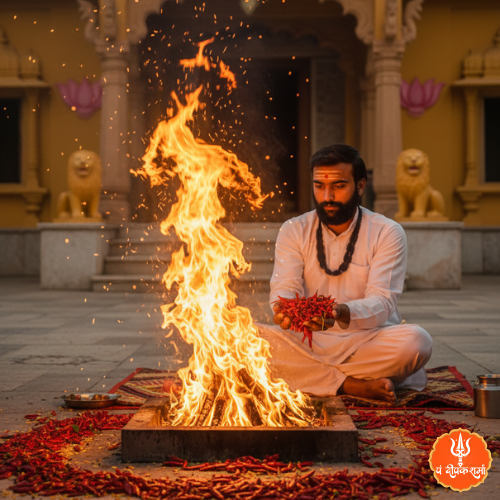
Before the Hawan, it is essential to create a sacred space. The area should be cleaned and purified, preferably with Ganga water or holy water. A small altar is set up, adorned with pictures or idols of Devi Baglamukhi. Flowers, fruits, and other offerings are arranged neatly on the altar. The priest prepares the Hawan kund (fire pit) with bricks or clay, ensuring it is positioned in the auspicious direction.
Gathering Materials
For the Hawan, specific materials are required, including ghee (clarified butter), various grains, herbs, and specific offerings like yellow flowers, which are dear to Baglamukhi. The priest also gathers the necessary items for the ritual, such as a bell, conch shell, and sacred thread. Each item holds significance and is used during different phases of the ritual.
Performing the Ritual
The priest begins the Hawan by invoking the presence of Devi Baglamukhi through the chanting of mantras. The sacred fire is lit, and offerings are made into the fire while reciting specific mantras dedicated to the goddess. Each offering symbolizes the surrender of obstacles and negativity. The priest leads the devotees in chanting, creating a collective energy that enhances the ritual’s effectiveness.
As the Hawan progresses, the priest performs various rituals, including the offering of flowers and fruits, which are later distributed as Prasad. The chanting of the Baglamukhi mantra continues throughout the ritual, creating a divine atmosphere filled with spiritual vibrations. The Hawan concludes with aarti (a ceremonial light offering) to Devi Baglamukhi, expressing gratitude for her blessings.
Mantra for This Ritual
The primary mantra associated with Baglamukhi Hawan is:
ॐ ह्लीं बगलामुखि सर्वविघ्न नाशाय ह्लीं
Transliteration: Om Hleem Baglamukhi Sarva Vighna Nashaya Hleem
Meaning: This powerful mantra is a call for the removal of all obstacles and challenges. The syllable ‘Hleem’ is a seed sound that resonates with the energies of Devi Baglamukhi, invoking her protective and empowering qualities. By chanting this mantra, devotees seek her intervention to eliminate difficulties in their lives, particularly those caused by enemies or adversaries. The repetition of this mantra during the Hawan creates a potent vibration that aligns the devotee’s intentions with the divine will of the goddess.
Chanting this mantra with devotion not only enhances the effectiveness of the Hawan but also instills a sense of peace and confidence in the devotee. It serves as a reminder of the divine support available to those who seek it sincerely. The mantra is often repeated during the offerings made in the Hawan, amplifying the energy and intention behind each act of devotion.
Do’s & Don’ts
When performing the Baglamukhi Hawan, there are certain do’s and don’ts to ensure the ritual is conducted properly and respectfully:
Do’s
- Perform the Hawan with a pure heart and sincere intentions.
- Ensure the space is clean and free from distractions.
- Use fresh and high-quality offerings, including ghee and grains.
- Dress modestly and respectfully while participating in the ritual.
- Chant the mantras with devotion and focus, allowing the energy to flow.
Don’ts
- Do not engage in negative thoughts or actions during the ritual.
- Avoid using stale or impure offerings.
- Do not interrupt the priest or the flow of the ritual.
- Refrain from consuming non-vegetarian food or alcohol before or during the ritual.
- Do not rush through the offerings; each act should be performed with mindfulness.
When to Perform
The Baglamukhi Hawan can be performed on various auspicious occasions, particularly during the waxing phase of the moon (Shukla Paksha), which is considered favorable for spiritual activities. Specific days dedicated to Devi Baglamukhi, such as her Jayanti (birthday), are also ideal for performing this ritual. Additionally, it is beneficial to conduct the Hawan during times of personal crisis or when facing significant challenges, as the goddess’s blessings can provide much-needed support.
Consulting with a knowledgeable priest can help determine the most auspicious timing for the Hawan based on individual circumstances and astrological considerations. It is essential to align the ritual with the devotee’s personal energies and the cosmic forces at play, enhancing the effectiveness of the offerings made during the Hawan.
How Pandit Deepak Sharma can help
Pandit Deepak Sharma, with his extensive experience in performing Baglamukhi rituals, offers authentic Vedic guidance for those seeking to conduct the Baglamukhi Hawan. His deep understanding of the scriptures and rituals ensures that each ceremony is performed with precision and devotion, invoking the blessings of Devi Baglamukhi effectively.
By consulting with Pandit Deepak Sharma, devotees can receive personalized guidance tailored to their specific needs and challenges. He provides insights into the appropriate timings, offerings, and mantras to be used during the Hawan, ensuring that the ritual aligns with the devotee’s intentions and spiritual goals. His presence during the ritual enhances the collective energy, creating a powerful atmosphere conducive to divine blessings.
For those unable to attend the Hawan in person, Pandit Deepak Sharma also offers remote rituals, allowing devotees to connect with the divine from afar. This flexibility ensures that everyone can benefit from the transformative power of Baglamukhi Hawan, regardless of their circumstances.
Nalkheda Temple Connection
The Nalkheda Temple, dedicated to Devi Baglamukhi, is a sacred site where devotees gather to seek her blessings through various rituals, including the Baglamukhi Hawan. The temple is renowned for its spiritual ambiance and the profound energy that permeates the space, making it an ideal location for performing this ritual.
Visiting the Nalkheda Temple not only allows devotees to participate in the Hawan but also provides an opportunity for darshan (viewing) of the goddess’s idol, which is believed to be imbued with divine energy. The temple’s serene environment fosters a deep sense of connection with the goddess, enhancing the spiritual experience for all who visit.
For those planning to visit, the temple is accessible and offers facilities for devotees to perform their rituals under the guidance of experienced priests like Pandit Deepak Sharma. The temple serves as a beacon of hope and spiritual rejuvenation, drawing devotees from far and wide to seek the blessings of Devi Baglamukhi.
FAQ
What is the significance of Baglamukhi Hawan?
Baglamukhi Hawan holds immense significance in Hindu tradition as it is dedicated to Devi Baglamukhi, who is revered for her power to remove obstacles and grant victory over adversaries. The ritual is performed with the intention of invoking her blessings to overcome challenges in personal and professional life. It is particularly beneficial for those facing legal disputes or competition, as the goddess’s divine intervention is believed to bring favorable outcomes.
The Hawan is not just a ritual but a profound act of devotion that strengthens the devotee’s connection with the divine. Each offering made during the ritual symbolizes the surrender of one’s troubles to the goddess, seeking her grace and protection. The collective chanting of mantras during the Hawan creates a powerful energy that enhances the effectiveness of the ritual, making it a significant spiritual practice for devotees.
Can anyone perform Baglamukhi Hawan?
Yes, anyone can perform Baglamukhi Hawan, regardless of their background or spiritual experience. However, it is advisable to have a knowledgeable priest or Pandit conduct the ritual to ensure its authenticity and effectiveness. A qualified practitioner can guide the devotee through the process, ensuring that the rituals are performed correctly and that the right mantras are chanted.
For those who wish to perform the Hawan themselves, it is essential to approach the ritual with sincerity and devotion. Preparing the sacred space, gathering the appropriate materials, and understanding the significance of each step are crucial for a meaningful experience. Ultimately, the intention behind the ritual plays a vital role in its success, making it accessible to all who seek the blessings of Devi Baglamukhi.
What materials are needed for Baglamukhi Hawan?
The materials required for Baglamukhi Hawan include ghee (clarified butter), various grains, herbs, yellow flowers, and specific offerings that resonate with the goddess’s energy. Additionally, items such as a bell, conch shell, and sacred thread are used during the ritual. Each material holds significance and is used at different stages of the Hawan, contributing to the overall spiritual atmosphere.
It is essential to use fresh and high-quality offerings to honor the goddess properly. The priest conducting the Hawan will ensure that all materials are gathered and prepared in accordance with Vedic traditions, enhancing the ritual’s effectiveness. Devotees are encouraged to approach the gathering of materials with reverence, as this sets the tone for the entire ritual.
How long does the Baglamukhi Hawan take?
The duration of Baglamukhi Hawan can vary depending on the specific rituals performed and the number of participants involved. Typically, the Hawan may take anywhere from one to three hours. This includes the preparation of the sacred space, the gathering of materials, and the actual performance of the ritual.
It is important to allow ample time for the Hawan to be conducted without haste, as each step is significant and requires focus and devotion. The priest will guide the devotees through the process, ensuring that the ritual is performed thoroughly and respectfully. Devotees are encouraged to immerse themselves in the experience, allowing the spiritual energy to flow freely throughout the ritual.
Can I perform Baglamukhi Hawan remotely?
Yes, it is possible to perform Baglamukhi Hawan remotely, especially for those who cannot physically attend the temple or participate in the ritual. Pandit Deepak Sharma offers remote rituals, allowing devotees to connect with the divine from afar. This flexibility ensures that everyone can benefit from the transformative power of Baglamukhi Hawan, regardless of their circumstances.
During a remote Hawan, the priest will perform the ritual on behalf of the devotee, ensuring that all steps are followed according to Vedic traditions. Devotees can participate by focusing their intentions and prayers during the ritual, creating a spiritual connection that transcends physical distance. This option provides an opportunity for those seeking the blessings of Devi Baglamukhi to engage in the ritual in a meaningful way.