Introduction
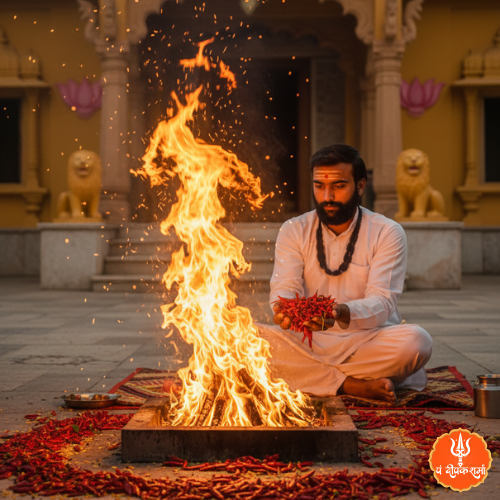
In the realm of Vedic rituals, the Baglamukhi Havan stands as a powerful and sacred practice aimed specifically at removing enemies and obstacles from one’s life. Devi Baglamukhi, one of the ten Mahavidyas and a revered goddess in Hindu tradition, embodies the essence of power and protection. Performing this havan invokes her divine blessings, allowing devotees to eliminate adversities and achieve peace and success in their endeavors. This article delves into the profound significance of the Baglamukhi Havan for enemy removal, its detailed rituals, and the spiritual upliftment it offers to practitioners.
Meaning of This Ritual
The term ‘Havan’ refers to the ritual of offering oblations into the sacred fire, symbolizing the surrender of negative forces and intentions. In the context of the Baglamukhi Havan, it is believed that this ritual specifically aids in countering the effects of enemies or rivals, thereby providing protection to the devotee. The act of performing the havan is a form of devotion that engages the participant in a spiritual dialogue with the divine, seeking intervention and guidance to overcome challenges.
How This Ritual Helps
Baglamukhi Havan is considered to be immensely beneficial for those facing threats or difficulties posed by enemies. The ritual may help in:
- Dispelling negativity and harmful influences in one’s life.
- Providing clarity and strength to confront adversaries.
- Creating a protective shield around the devotee, fostering confidence and courage.
- Facilitating legal victories and resolutions in disputes.
- Promoting overall peace and prosperity in personal and professional spheres.
Mythological Background
The origins of Baglamukhi Havan are rooted in ancient Hindu mythology, where Devi Baglamukhi is depicted as the embodiment of knowledge and wisdom. According to legends, she is revered for her ability to paralyze enemies, rendering them powerless. Her divine form is often associated with the power to control and restrain negativity, making her a protector of the righteous.
One of the most notable stories surrounding her is that of a sage who, upon facing numerous challenges from malicious beings, turned to Devi Baglamukhi for help. His sincere prayers and offerings led to her divine intervention, which not only eliminated his enemies but also restored his honor and peace. This narrative underscores the significance of invoking Devi Baglamukhi through rituals like the havan to seek her blessings and protection.
Moreover, the Baglamukhi Havan has been performed by various kings and warriors throughout history, who sought her blessings before embarking on battles and challenges. The havan serves as a reminder of the importance of spiritual practices in overcoming adversities.
Additionally, the ritual connects the devotee to the cosmic energies associated with Devi Baglamukhi, aligning them with her protective aura. This connection may empower the individual to navigate through life’s challenges with resilience and serenity.
Who Should Perform This
Baglamukhi Havan is recommended for anyone who feels threatened by enemies, whether in personal relationships, professional settings, or legal matters. It is particularly beneficial for:
- Individuals facing legal disputes or court cases.
- Those experiencing harassment or bullying from rivals.
- Professionals seeking to enhance their reputation and ward off negative competition.
- Anyone desiring to strengthen their personal and professional relationships.
Step-by-Step Vidhi (Very Detailed)
The following is a detailed procedure for performing the Baglamukhi Havan:
Preparation
1. **Clean the Space**: Ensure the area where the havan will be performed is clean and devoid of any clutter.
2. **Gather Materials**: Collect the essential items needed for the havan, including:
- Havan kund (fire pit)
- Wood and samagri (ingredients for the havan)
- Ghee (clarified butter)
- Flowers and fruits for offerings
- Incense sticks and camphor
- Baglamukhi mantra chants or a sacred text
Performing the Havan
3. **Purification**: Begin by purifying the space with a sprinkle of Ganga jal (sacred water) and lighting incense sticks to invoke a positive atmosphere.
4. **Setting the Kund**: Place the havan kund in the center and fill it with pieces of wood, ensuring proper ventilation for the fire.
5. **Lighting the Fire**: Light the fire in the havan kund using dry leaves and ghee. As the fire ignites, recite the following mantra:
“ॐ ह्लीं बगलामुखि सर्व शत्रुस्तम्भनाय स्वाहा।” (Om Hleem Baglamukhi Sarva Shatrustambhanaya Swaha)
This mantra is intended to invoke the protective energies of Devi Baglamukhi, specifically aimed at immobilizing enemies.
6. **Offering Materials**: One by one, offer the samagri into the fire while chanting the Baglamukhi mantra. As you do so, visualize the removal of all negative influences and enemies from your life.
7. **Prayers and Intentions**: After each offering, take a moment to express your intentions and prayers to Devi Baglamukhi, seeking her blessings for protection and success.
8. **Concluding the Havan**: Once all offerings are made, conclude the ritual by thanking Devi Baglamukhi for her presence and blessings. Allow the fire to burn out safely.
Mantra for This Ritual
The primary mantra associated with the Baglamukhi Havan for enemy removal is:
“ॐ ह्लीं बगलामुखि सर्व शत्रुस्तम्भनाय स्वाहा।”
**Transliteration**: Om Hleem Baglamukhi Sarva Shatrustambhanaya Swaha
This mantra is a powerful invocation that seeks to paralyze all enemies and harmful energies directed towards the devotee. By reciting this mantra during the havan, practitioners can channel the divine energies of Devi Baglamukhi to overcome adversities.
Meaning Explanation: This mantra translates to a plea for assistance in neutralizing foes and achieving a state of peace and protection. It emphasizes the power of Devi Baglamukhi to safeguard her devotees from all forms of negativity and harm.
Do’s & Don’ts
Do’s:
- Perform the havan with a pure heart and focused intention.
- Use high-quality materials for the havan to ensure its effectiveness.
- Invite family members to participate and share in the spiritual benefits.
- Maintain a calm and serene atmosphere throughout the ritual.
Don’ts:
- Avoid distractions during the ritual; focus solely on the havan.
- Do not perform the havan in a cluttered or unclean environment.
- Refrain from consuming non-vegetarian food on the day of the ritual.
- Avoid negative thoughts or intentions while performing the havan.
When to Perform
The Baglamukhi Havan can be performed on any auspicious day, but it is particularly effective during:
- Navratri
- Amavasya (new moon night)
- Days when one is facing significant challenges or threats.
Nalkheda Temple Connection
The Baglamukhi Temple in Nalkheda, Madhya Pradesh, is a significant pilgrimage site for devotees seeking the blessings of Devi Baglamukhi. The temple is known for its serene atmosphere and the powerful energy it exudes. Visiting the temple and performing the havan there can enhance the spiritual experience and deepen the devotee’s connection to the goddess. Many devotees report transformative experiences after participating in rituals at this holy site.
FAQ
What is Baglamukhi Havan?
Baglamukhi Havan is a sacred Vedic ritual performed to invoke the blessings of Devi Baglamukhi for protection and enemy removal. The ritual involves offerings made to a sacred fire while reciting powerful mantras.
Who can perform this havan?
Anyone facing challenges or threats from enemies can perform the Baglamukhi Havan. It is beneficial for individuals involved in legal disputes or those experiencing negative influences from rivals.
What materials are needed for the havan?
The essential materials include a havan kund, wood, samagri (ingredients), ghee, flowers, fruits, and incense. High-quality items are recommended for the best results.
Is there a specific time to perform the havan?
While the havan can be performed at any time, it is particularly effective during auspicious occasions like Navratri and Amavasya.
What is the significance of the mantra used in the havan?
The mantra “ॐ ह्लीं बगलामुखि सर्व शत्रुस्तम्भनाय स्वाहा” is a potent invocation that seeks to immobilize adversaries and protect the devotee from harm.
Can the havan be performed at home?
Yes, the havan can be performed at home with the right materials and intentions. However, visiting a temple dedicated to Devi Baglamukhi is highly recommended for enhanced spiritual benefits.
Closing CTA
Agar aap is pooja ko proper Vedic vidhi ke saath karwana chahte hain, toh Nalkheda ke experienced pandit Pandit Deepak Sharma se margdarshan le sakte hain. Woh traditional Baglamukhi pooja aur havan ko shuddh vidhi se karte hain.