Meaning of This Ritual
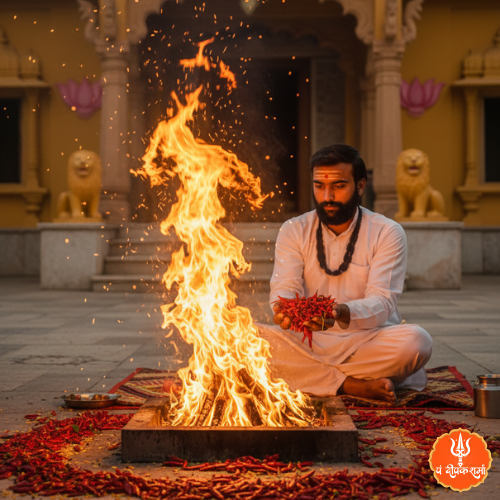
The baglamukhi Havan for court cases is a sacred ritual dedicated to Devi Baglamukhi, one of the ten Mahavidyas, who embodies the power of speech and victory over adversaries. This havan is performed with the intention of seeking divine intervention in legal matters, ensuring justice prevails. The essence of this ritual lies in invoking the blessings of the goddess to overcome obstacles and achieve success in court proceedings. The term ‘Havan’ refers to the fire ritual, where offerings are made into the sacred fire, symbolizing the purification of intentions and the invocation of divine energies.
In the context of small businesses, legal disputes can be particularly challenging. The Baglamukhi Havan serves as a spiritual remedy, providing not just hope but also a sense of empowerment to the devotees. By performing this ritual, individuals align themselves with the cosmic energies that govern justice and truth, thereby enhancing their chances of a favorable outcome in their legal battles. The havan is a profound way to express faith and seek the goddess’s guidance during turbulent times.
Moreover, this ritual is steeped in tradition, following the Vedic principles that have been passed down through generations. It is not merely a ceremonial act but a deep spiritual practice that connects the devotee with the divine. The invocation of mantras during the havan amplifies the energy, creating a sacred space where the devotee can communicate their desires and fears to the goddess.
How This Ritual Helps
The Baglamukhi Havan for court cases is believed to bring clarity and strength to the devotee’s legal situation. By invoking the goddess’s blessings, individuals often find themselves more confident and focused, which is essential when navigating the complexities of the legal system. The ritual acts as a spiritual shield, protecting the devotee from negative influences and adversarial energies that may hinder their progress in court.
Additionally, the havan is said to enhance the devotee’s persuasive abilities. As Baglamukhi is the goddess of speech, her blessings can help individuals articulate their arguments more effectively, whether in court or during negotiations. This aspect is particularly beneficial for small business owners who may face challenges from competitors or legal disputes that require clear communication and strong representation.
Furthermore, the ritual is believed to create a positive vibration around the devotee, attracting favorable outcomes. Many devotees report feeling a sense of relief and clarity after performing the havan, as if a weight has been lifted from their shoulders. This psychological benefit is crucial, as a calm and focused mind can significantly impact the outcome of legal proceedings.
Mythological Background
The mythology surrounding Baglamukhi is rich and profound. She is often depicted as a fierce goddess who wields a tongue and a stick, symbolizing her power to silence enemies and protect her devotees. According to Hindu scriptures, Baglamukhi is known for her ability to turn the tide in favor of her devotees, especially in matters of justice and truth. Her name itself translates to ‘the one who makes others mute,’ indicating her power over speech and communication.
In ancient times, it is said that a king faced a formidable enemy who threatened his kingdom. In desperation, he prayed to Baglamukhi for assistance. The goddess appeared before him, granting him the strength to overcome his adversary. This tale illustrates the protective and empowering nature of Baglamukhi, reinforcing the belief that her blessings can lead to victory in challenging situations, including court cases.
Moreover, Baglamukhi is associated with the element of fire, which is why the havan is performed. Fire is considered a purifying force in Vedic rituals, and it is believed that the flames carry the devotee’s prayers to the heavens. The act of offering ghee, grains, and other sacred items into the fire symbolizes the surrender of one’s worries and desires to the divine, allowing the goddess to intervene on the devotee’s behalf.
Who Should Perform This
The Baglamukhi Havan for court cases is particularly beneficial for individuals facing legal challenges, including small business owners, entrepreneurs, and anyone involved in disputes that require resolution. Those who feel overwhelmed by the complexities of the legal system or who have experienced repeated setbacks in their cases may find solace and strength through this ritual.
Additionally, individuals who are in positions of negotiation, such as lawyers or mediators, may also benefit from performing this havan. The blessings of Baglamukhi can enhance their ability to communicate effectively and advocate for their clients. Furthermore, anyone seeking justice or resolution in personal matters, such as family disputes or contractual disagreements, can find empowerment through this sacred ritual.
It is essential to approach this ritual with sincerity and devotion. Those who perform the havan should have a clear intention and a genuine desire for justice. The effectiveness of the ritual is deeply connected to the devotee’s faith and commitment to the process.
Step-by-Step Vidhi (Very Detailed)
The performance of the Baglamukhi Havan requires careful preparation and adherence to Vedic rituals. Here is a detailed step-by-step guide to conducting this sacred ceremony:
Step 1: Preparation
Begin by selecting an auspicious day for the havan. It is advisable to consult a knowledgeable pandit to determine the best timing based on your personal horoscope and the lunar calendar. Clean the area where the havan will be performed, ensuring it is free from any clutter. Set up a small altar with an image or idol of Devi Baglamukhi, along with offerings such as flowers, fruits, and sweets.
Step 2: Gathering Materials
Collect all necessary materials for the havan. This includes ghee (clarified butter), samagri (a mixture of sacred herbs and grains), a havan kund (fire pit), and matches or a lighter. It is also important to have a bell, conch shell, and incense sticks to create a sacred atmosphere. Each item used in the ritual should be pure and of good quality, as they represent the devotee’s offerings to the goddess.
Step 3: Invoking the Deity
Begin the ritual by lighting the havan kund with ghee and kindling. Once the fire is established, ring the bell and blow the conch shell to invite the presence of Devi Baglamukhi. Offer flowers and incense to the deity while chanting the following mantra: ॐ ह्लीं वाद-विजयाय ह्लीं फट् (Om Hleem Vaad-Vijayaaya Hleem Phat). This mantra is specifically intended for seeking victory in legal matters.
Step 4: Offering Samagri
As the fire burns brightly, begin offering samagri into the flames while reciting the mantra. Each offering should be made with devotion, visualizing the goddess accepting your prayers and intentions. Continue this process for a set duration, typically around 30 to 45 minutes, allowing the energy of the ritual to build. During this time, maintain a focused mind and heart, expressing your desires for justice and victory.
Step 5: Concluding the Ritual
Once the offerings are complete, conclude the ritual by thanking Devi Baglamukhi for her blessings. Allow the fire to burn down naturally, and do not extinguish it abruptly. After the havan, collect the remaining ashes and offer them to a sacred body of water or bury them in the earth, symbolizing the return of the energy to nature. It is customary to share prasad (blessed food) with family and friends after the ritual, spreading the positive energy generated during the havan.
Mantra for This Ritual
The primary mantra for the Baglamukhi Havan for court cases is ॐ ह्लीं वाद-विजयाय ह्लीं फट्. This mantra is a powerful invocation that seeks victory in legal matters. The syllable ‘ॐ’ represents the universal sound, embodying the essence of the divine. ‘ह्लीं’ is a bija mantra, a seed sound that holds immense power and is associated with the goddess’s energy.
Transliteration: Om Hleem Vaad-Vijayaaya Hleem Phat
Meaning: The mantra can be interpreted as a plea for victory in arguments and disputes. By chanting this mantra, devotees express their desire for the goddess to intervene in their legal matters, granting them the strength and clarity needed to overcome obstacles. The repetition of ‘ह्लीं’ amplifies the energy of the invocation, creating a connection with the divine that is believed to enhance the effectiveness of the ritual.
Do’s & Don’ts
When performing the Baglamukhi Havan for court cases, it is essential to follow certain guidelines to ensure the ritual’s effectiveness. Here are some do’s and don’ts to consider:
Do’s
- Approach the ritual with a pure heart and clear intentions.
- Ensure that the materials used are clean and of good quality.
- Maintain a focused and calm mind during the havan.
- Offer gratitude to Devi Baglamukhi after the ritual.
- Share prasad with family and friends to spread the blessings.
Don’ts
- Avoid performing the ritual in a cluttered or impure environment.
- Do not rush through the offerings; take your time to connect with the divine.
- Refrain from using impure or low-quality materials.
- Do not engage in negative thoughts or distractions during the ritual.
- Avoid discussing the details of your legal matters with others during the havan.
When to Perform
The ideal time to perform the Baglamukhi Havan for court cases is during the waxing phase of the moon, particularly on auspicious days like Mondays or Fridays. It is advisable to consult with a knowledgeable pandit to identify the most favorable timings based on your personal circumstances and the lunar calendar. Performing the havan on a day that aligns with your astrological chart can enhance its effectiveness.
Additionally, consider performing the ritual before important court dates or legal proceedings. This proactive approach allows the devotee to harness the goddess’s energy and support in advance, providing a sense of empowerment and confidence. Regularly performing the havan, especially during challenging times, can also strengthen the connection with Devi Baglamukhi, ensuring her blessings are with you throughout your legal journey.
Nalkheda Temple Connection
The Nalkheda Temple, dedicated to Devi Baglamukhi, is a sacred site where devotees gather to seek blessings and perform rituals. The temple is renowned for its spiritual significance and the authenticity of the rituals conducted by Pandit Deepak Sharma. Visiting the temple to perform the Baglamukhi Havan adds an extra layer of sanctity to the ritual, as the energy of the temple amplifies the devotee’s prayers.
At the Nalkheda Temple, devotees can participate in various rituals, including the Baglamukhi Havan, under the guidance of experienced pandits. The temple’s serene environment fosters a deep connection with the divine, allowing individuals to immerse themselves in devotion and prayer. Many devotees have reported transformative experiences after performing rituals at this sacred site, reinforcing the belief in the power of Baglamukhi’s blessings.
For those unable to visit the temple in person, it is still possible to connect with the divine through online consultations and rituals facilitated by Pandit Deepak Sharma. This accessibility ensures that devotees can receive the benefits of the Baglamukhi Havan, regardless of their location.
FAQ
What is the significance of Baglamukhi Havan for court cases?
The Baglamukhi Havan for court cases holds profound significance as it is believed to invoke the blessings of Devi Baglamukhi, who is revered for her power over speech and victory. This ritual is particularly beneficial for individuals facing legal challenges, as it aims to provide clarity, strength, and protection in legal matters. By performing this havan, devotees seek divine intervention to ensure justice prevails in their cases, enhancing their chances of a favorable outcome.
Many devotees report feeling a sense of empowerment and confidence after performing the havan, which can significantly impact their approach to legal proceedings. The ritual serves as a spiritual shield, protecting the devotee from negative influences and adversarial energies that may hinder their progress in court. Overall, the Baglamukhi Havan is a deeply spiritual practice that aligns the devotee with the cosmic energies governing justice and truth.
Can small business owners benefit from this ritual?
Yes, small business owners can greatly benefit from the Baglamukhi Havan for court cases. Legal disputes can be particularly challenging for entrepreneurs, and this ritual serves as a spiritual remedy to navigate such complexities. By invoking the blessings of Devi Baglamukhi, business owners can enhance their persuasive abilities and communicate more effectively during negotiations or court proceedings.
Additionally, the havan acts as a protective measure, shielding the business from adversarial energies and promoting a positive environment for growth and success. Many small business owners have reported experiencing relief and clarity after performing the ritual, allowing them to focus on their operations without the burden of legal challenges weighing them down.
How often should one perform the Baglamukhi Havan?
The frequency of performing the Baglamukhi Havan can vary based on individual circumstances. It is advisable to conduct the ritual before important court dates or legal proceedings to harness the goddess’s energy in advance. Regularly performing the havan, especially during challenging times, can strengthen the connection with Devi Baglamukhi and ensure her blessings are with the devotee throughout their legal journey.
Some devotees choose to perform the havan monthly or during auspicious lunar phases, such as the waxing moon. Consulting with a knowledgeable pandit can provide personalized guidance on the best timing and frequency for performing the ritual based on one’s astrological chart and specific legal challenges.
What materials are needed for the havan?
To perform the Baglamukhi Havan, several materials are required to ensure the ritual is conducted properly. Essential items include ghee (clarified butter), samagri (a mixture of sacred herbs and grains), a havan kund (fire pit), and matches or a lighter. It is also important to have a bell, conch shell, and incense sticks to create a sacred atmosphere.
Each item used in the ritual should be pure and of good quality, as they represent the devotee’s offerings to the goddess. The preparation and gathering of these materials are crucial steps in the process, as they set the tone for the entire ritual and reflect the devotee’s sincerity and devotion.
Is it necessary to consult a pandit for this ritual?
While it is possible to perform the Baglamukhi Havan independently, consulting a knowledgeable pandit is highly recommended, especially for those unfamiliar with Vedic rituals. A pandit can provide guidance on the proper procedures, timings, and materials needed for the havan, ensuring that it is conducted according to traditional practices.
Moreover, a pandit can help the devotee connect more deeply with the ritual, enhancing its effectiveness. In the case of the Baglamukhi Havan for court cases, having an experienced pandit like Pandit Deepak Sharma perform the ritual can bring additional blessings and spiritual energy, amplifying the devotee’s prayers and intentions.
What should one do after the havan?
After completing the Baglamukhi Havan, it is customary to express gratitude to Devi Baglamukhi for her blessings. Allow the fire to burn down naturally, and do not extinguish it abruptly. The remaining ashes should be collected and offered to a sacred body of water or buried in the earth, symbolizing the return of the energy to nature.
Sharing prasad (blessed food) with family and friends is also an important practice, as it spreads the positive energy generated during the havan. Engaging in acts of kindness and maintaining a positive mindset after the ritual can further enhance the blessings received from Devi Baglamukhi, ensuring that the devotee remains aligned with the goddess’s energy.