Introduction
Baglamukhi Anushthan, a revered ritual dedicated to Devi Baglamukhi, is performed with deep devotion and adherence to Vedic traditions. Located in the sacred city of Ujjain, this anushthan holds immense significance for devotees seeking blessings for various aspects of life, including legal victories, career growth, and the removal of obstacles. The Nalkheda Baglamukhi Temple, under the guidance of Pandit Deepak Sharma, serves as a spiritual hub for those wishing to perform this powerful ritual. Through this article, we will explore everything you need to know about Baglamukhi Anushthan, its meaning, benefits, and the detailed procedure to perform it.
Devi Baglamukhi, one of the ten Mahavidyas, is known for her ability to grant wisdom and victory over adversities. Her blessings are sought by many who face challenges in their lives, especially in legal matters and competitive fields. The anushthan is not merely a ritual; it is a spiritual journey that connects the devotee with the divine, fostering a sense of peace and clarity. It is essential to understand the depth of this ritual to fully appreciate its transformative power.
As we delve into the meaning and symbolism of Baglamukhi Anushthan, we will uncover how this ritual can help individuals navigate through life’s challenges. The mythology surrounding Devi Baglamukhi adds layers of meaning to the anushthan, making it a profound experience for all participants. Furthermore, we will provide a step-by-step guide to performing the ritual, ensuring that devotees can engage in this sacred practice with the utmost sincerity and respect.
Meaning of This Ritual
The term ‘Anushthan’ refers to a systematic and disciplined approach to performing Vedic rituals. In the context of Baglamukhi Anushthan, it signifies the devotion and commitment of the practitioner towards seeking the blessings of Devi Baglamukhi. This ritual is deeply rooted in the belief that sincere worship can lead to divine intervention in overcoming obstacles and achieving success.
Baglamukhi Anushthan is not just about the external performance of rituals; it embodies the internal journey of the devotee. The act of invoking Devi Baglamukhi through mantras and offerings symbolizes the surrender of one’s ego and the desire for spiritual growth. It is a plea for guidance and support in times of distress, particularly in legal battles and career advancements.
Moreover, the anushthan is a way to align oneself with the energies of the universe. By performing this ritual, devotees seek to harmonize their intentions with the divine will, thereby enhancing their chances of success. The symbolism of Baglamukhi as a goddess of speech and communication is particularly relevant for those involved in legal matters, as it represents clarity and victory in arguments.
How This Ritual Helps
Baglamukhi Anushthan is renowned for its ability to provide relief from various life challenges. One of the primary benefits of this ritual is its effectiveness in legal matters. Many devotees turn to Devi Baglamukhi for assistance in court cases, believing that her blessings can lead to favorable outcomes. The ritual is performed with specific mantras that invoke her protective energies, helping to remove obstacles and ensuring justice prevails.
In addition to legal victories, Baglamukhi Anushthan is also beneficial for career growth. The mantra associated with this ritual, “ॐ ह्लीं बगलामुखि सर्वविघ्न नाशाय ह्लीं,” is specifically aimed at removing all hindrances in one’s professional life. Devotees often report experiencing newfound clarity and direction in their careers after performing the anushthan, enabling them to pursue their goals with confidence.
Furthermore, this ritual is a powerful tool for overcoming personal adversities, including conflicts with enemies. The invocation of Devi Baglamukhi is believed to provide protection against negative influences and adversarial forces. By performing the anushthan, devotees can cultivate inner strength and resilience, empowering them to face challenges head-on.
Mythological Background
The mythology of Devi Baglamukhi is rich and profound, offering insights into the significance of Baglamukhi Anushthan. According to ancient texts, Baglamukhi is often depicted as a goddess who can paralyze the speech of her enemies, rendering them powerless. This aspect of her character makes her a formidable force in the realm of justice and truth.
One of the most popular legends associated with Devi Baglamukhi recounts how she helped the gods defeat the demons in a fierce battle. The demons, known for their cunning and deceit, posed a significant threat to the celestial beings. In their time of need, the gods invoked Baglamukhi, who manifested to assist them. With her divine powers, she silenced the demons, allowing the gods to reclaim their rightful place in the heavens.
This mythological narrative underscores the importance of Baglamukhi Anushthan for those facing adversities. Just as the gods sought her help to overcome their challenges, devotees believe that invoking her through this ritual can lead to similar victories in their lives. The stories of her divine interventions serve as a source of inspiration and hope for many.
Additionally, the worship of Devi Baglamukhi is also linked to the pursuit of knowledge and wisdom. She is revered as a goddess who bestows intelligence and clarity of thought upon her devotees. This aspect is particularly significant for students and professionals seeking success in competitive exams and career advancements. The anushthan thus becomes a means to not only seek victory but also to enhance one’s intellectual capabilities.
Who Should Perform This
Baglamukhi Anushthan is suitable for anyone facing challenges in their personal or professional lives. Individuals involved in legal disputes, career transitions, or those seeking to overcome obstacles in their path can greatly benefit from this ritual. It is particularly recommended for those who feel overwhelmed by adversities and are in need of divine guidance.
Students preparing for competitive exams can also perform Baglamukhi Anushthan to enhance their focus and clarity. The blessings of Devi Baglamukhi are believed to aid in intellectual pursuits, making it an ideal ritual for those aiming for success in their studies. By seeking her blessings, students can cultivate confidence and determination to excel.
Moreover, anyone who feels the presence of negative influences or adversaries in their lives should consider performing this anushthan. The ritual serves as a protective shield, empowering individuals to confront their fears and challenges. It is a call to the divine for strength and support in overcoming personal conflicts.
In essence, Baglamukhi Anushthan is for those who seek transformation and empowerment. Whether you are facing legal battles, career uncertainties, or personal conflicts, this ritual provides a pathway to invoke the divine energies of Devi Baglamukhi, guiding you towards resolution and success.
Step-by-Step Vidhi (Very Detailed)
Preparation for the Anushthan
Before embarking on the Baglamukhi Anushthan, it is essential to prepare both physically and mentally. The devotee should cleanse their surroundings and create a sacred space for the ritual. This can be done by tidying up the area and ensuring that it is free from distractions. A calm and peaceful environment is crucial for the successful invocation of Devi Baglamukhi.
Next, the devotee should take a bath and wear clean, preferably white or yellow clothes, symbolizing purity and devotion. It is advisable to fast on the day of the anushthan, as this enhances the spiritual focus and intention behind the ritual. The devotee should also gather all necessary materials, including flowers, ghee, grains, and the specific offerings required for the havan.
Creating a sacred altar is an important aspect of the preparation. The devotee should place a picture or idol of Devi Baglamukhi at the center of the altar. Surrounding the idol with fresh flowers and lighting a diya (lamp) signifies the welcoming of divine energies. This altar serves as the focal point for the anushthan, where all offerings will be made.
Finally, the devotee should sit in a comfortable position, preferably facing east or north, and take a few moments to meditate and calm the mind. This mental preparation is vital for connecting with the divine and ensuring that the anushthan is performed with sincerity and devotion.
Performing the Havan
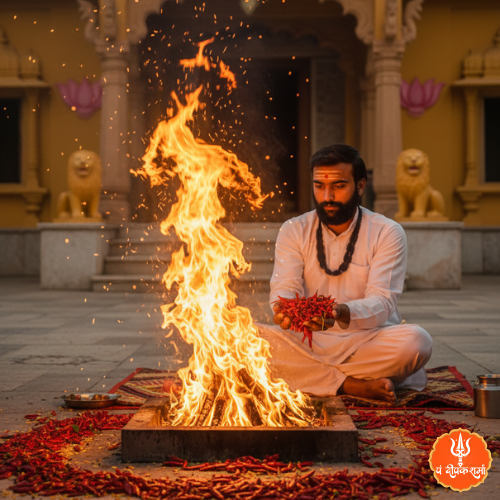
The havan is a central component of Baglamukhi Anushthan, where offerings are made to the sacred fire. The devotee should light the havan kund (fire pit) using dry wood and ghee, ensuring that the flames are bright and pure. This fire symbolizes the divine presence of Devi Baglamukhi, and it is essential to maintain its brightness throughout the ritual.
Once the fire is lit, the devotee should begin chanting the specific mantras associated with Baglamukhi Anushthan. The mantra “ॐ ह्लीं बगलामुखि सर्वविघ्न नाशाय ह्लीं” should be recited with deep devotion and concentration. Each repetition of the mantra should be accompanied by offerings of ghee and grains into the fire, symbolizing the surrender of one’s obstacles and desires to the goddess.
As the havan progresses, the devotee should maintain a focused mind, visualizing Devi Baglamukhi’s blessings enveloping them. It is important to remain in a state of devotion, allowing the energies of the ritual to flow freely. The chanting should be done with clarity and intention, as this enhances the effectiveness of the anushthan.
After completing the required number of mantras, the devotee should conclude the havan by offering a final prayer to Devi Baglamukhi, expressing gratitude for her blessings and guidance. This closing prayer solidifies the connection made during the ritual, ensuring that the energies invoked are carried forward into daily life.
Offering Prasad
After the havan, it is customary to offer prasad (blessed food) to Devi Baglamukhi. This prasad can include sweets, fruits, or other food items prepared with love and devotion. The act of offering prasad signifies the devotee’s gratitude and acknowledgment of the goddess’s blessings.
The prasad should be placed at the altar, and the devotee should chant the mantra once more while offering it. This gesture of sharing food with the divine is a way to express the devotee’s faith and devotion. It is believed that consuming prasad after the anushthan helps in internalizing the blessings received during the ritual.
Furthermore, sharing prasad with family and friends enhances the sense of community and collective blessings. It is a way to spread the divine grace of Devi Baglamukhi, inviting others to partake in the spiritual experience. The act of sharing prasad also reinforces the bond of love and devotion among those present.
Finally, the devotee should take a moment to reflect on the experience of the anushthan, expressing gratitude for the opportunity to connect with the divine. This reflection helps in grounding the energies invoked during the ritual, ensuring that they manifest positively in the devotee’s life.
Concluding the Ritual
To conclude the Baglamukhi Anushthan, the devotee should perform a final aarti (light offering) to Devi Baglamukhi. This involves circling a lit diya around the idol or picture of the goddess while singing devotional hymns. The aarti symbolizes the devotee’s reverence and love for the goddess, marking the end of the ritual.
During the aarti, the devotee should focus on their intentions and desires, visualizing them being fulfilled through the blessings of Devi Baglamukhi. This moment serves as a powerful affirmation of faith, reinforcing the connection established during the anushthan.
After the aarti, the devotee should express gratitude for the experience and the blessings received. It is important to carry the positive energies of the ritual into daily life, applying the wisdom and strength gained from the anushthan.
Lastly, the devotee should ensure that the havan kund is properly extinguished and the materials used are disposed of respectfully. This act of closure signifies the completion of the ritual and the return to everyday life, carrying the blessings of Devi Baglamukhi with them.
Mantra for This Ritual
The mantra associated with Baglamukhi Anushthan is “ॐ ह्लीं बगलामुखि सर्वविघ्न नाशाय ह्लीं.” This powerful invocation is designed to remove all obstacles and hindrances from the devotee’s life. Each syllable of the mantra holds deep significance, contributing to its potency.
In Devanagari, the mantra is written as: ॐ ह्लीं बगलामुखि सर्वविघ्न नाशाय ह्लीं. The transliteration of this mantra is: Om Hleem Baglamukhi Sarva Vighna Nashaya Hleem. The meaning of this mantra can be understood as a plea to Devi Baglamukhi to eliminate all obstacles and grant success in endeavors.
The sound “ॐ” represents the universal consciousness and the essence of the divine. It is a sacred syllable that invokes the presence of all gods and goddesses. The syllable “ह्लीं” is a bija (seed) mantra associated with Baglamukhi, symbolizing her energy and power. It is believed that chanting this sound enhances the effectiveness of the invocation.
As the devotee recites this mantra, they should visualize Devi Baglamukhi enveloping them in her protective energies. The repetition of the mantra during the havan serves to strengthen the connection with the goddess, allowing her blessings to flow into the devotee’s life. The mantra is a vital component of the anushthan, embodying the intentions and desires of the practitioner.
Do’s & Don’ts
Do’s
- Perform the anushthan with a pure heart and sincere intentions.
- Maintain cleanliness in your surroundings and personal hygiene.
- Offer fresh flowers and fruits to Devi Baglamukhi.
- Chant the mantra with focus and devotion.
- Share prasad with family and friends after the ritual.
Don’ts
- Avoid distractions during the anushthan; ensure a peaceful environment.
- Do not consume alcohol or non-vegetarian food on the day of the ritual.
- Refrain from using harsh language or engaging in negative thoughts.
- Do not rush through the ritual; take your time to connect with the divine.
- Do not dispose of offerings disrespectfully; treat them with reverence.
When to Perform
Baglamukhi Anushthan can be performed on any auspicious day, but certain days are considered particularly favorable. Mondays, Fridays, and during the waxing phase of the moon are often recommended for performing this ritual. These days are believed to enhance the energies of devotion and receptivity, making it easier for devotees to connect with Devi Baglamukhi.
Additionally, performing the anushthan during significant Hindu festivals dedicated to Devi Baglamukhi can amplify its effects. Festivals such as Navaratri, which celebrates the divine feminine, are ideal times to engage in this ritual. The collective energy during these festivals can strengthen the intentions of the devotee, leading to more profound spiritual experiences.
It is also advisable to consult with a knowledgeable pandit, such as Pandit Deepak Sharma, to determine the best timing for your specific needs. Personal circumstances, such as ongoing legal issues or career challenges, may also influence the timing of the anushthan.
Ultimately, the most important factor is the devotee’s readiness and sincerity in performing the ritual. When the heart is pure and the intentions are clear, Baglamukhi Anushthan can be performed at any time, inviting the blessings of the goddess into one’s life.
Nalkheda Temple Connection
The Nalkheda Baglamukhi Temple, located in the Agar Malwa district of Madhya Pradesh, is a significant pilgrimage site for devotees of Devi Baglamukhi. This temple is known for its serene atmosphere and the powerful energies that resonate within its premises. Many devotees travel to this temple to perform Baglamukhi Anushthan under the guidance of experienced pandits like Pandit Deepak Sharma.
The temple is adorned with beautiful idols and images of Devi Baglamukhi, creating an ambiance of devotion and reverence. Pilgrims often report feeling a deep sense of peace and connection with the goddess while visiting the temple. The rituals performed here are steeped in tradition, ensuring that devotees engage in authentic practices that honor the divine.
Visiting the Nalkheda Temple for Baglamukhi Anushthan allows devotees to immerse themselves in the spiritual energies of the place. The collective prayers and offerings made by fellow devotees create a powerful atmosphere that enhances the effectiveness of the ritual. Many choose to perform their anushthan at the temple itself, believing that the proximity to the goddess amplifies their intentions.
For those unable to visit the temple, Pandit Deepak Sharma offers guidance and support for performing Baglamukhi Anushthan remotely. This ensures that devotees can still connect with the divine, regardless of their physical location. The Nalkheda Temple serves as a beacon of hope and spiritual strength for all who seek the blessings of Devi Baglamukhi.
FAQ
What is Baglamukhi Anushthan?
Baglamukhi Anushthan is a sacred ritual dedicated to Devi Baglamukhi, one of the ten Mahavidyas in Hindu mythology. This ritual involves invoking the goddess through specific mantras and offerings, seeking her blessings for overcoming obstacles, achieving success in legal matters, and enhancing one’s career. The anushthan is performed with deep devotion and adherence to Vedic traditions, allowing devotees to connect with the divine energies of Baglamukhi.
How does Baglamukhi Anushthan help in legal matters?
Baglamukhi Anushthan is particularly effective for those facing legal challenges. The ritual invokes the protective energies of Devi Baglamukhi, who is known for her ability to grant victory in court cases. By chanting the specific mantra associated with this anushthan, devotees seek the goddess’s intervention in their legal issues, believing that her blessings can lead to favorable outcomes. Many devotees have reported experiencing relief and success in their legal battles after performing this ritual.
Can anyone perform Baglamukhi Anushthan?
Yes, Baglamukhi Anushthan can be performed by anyone seeking the blessings of Devi Baglamukhi. It is especially recommended for individuals facing challenges in their personal or professional lives, such as legal disputes, career transitions, or conflicts with enemies. Students preparing for competitive exams can also benefit from this ritual, as it enhances focus and clarity. The anushthan is a means to invoke the divine energies of the goddess, providing guidance and support to all who participate.
What materials are needed for the anushthan?
To perform Baglamukhi Anushthan, devotees should gather specific materials, including fresh flowers, ghee, grains, and offerings for the havan. A picture or idol of Devi Baglamukhi is also essential for creating a sacred altar. The materials used should be clean and pure, symbolizing the devotee’s devotion and respect for the goddess. It is advisable to consult with a knowledgeable pandit, such as Pandit Deepak Sharma, to ensure that all necessary materials are prepared appropriately.
When is the best time to perform Baglamukhi Anushthan?
Baglamukhi Anushthan can be performed on any auspicious day, but certain days are considered particularly favorable. Mondays, Fridays, and during the waxing phase of the moon are often recommended for this ritual. Additionally, significant Hindu festivals dedicated to Devi Baglamukhi, such as Navaratri, provide an ideal time for performing the anushthan. Ultimately, the devotee’s readiness and sincerity are the most important factors in determining the timing of the ritual.
How can I book Baglamukhi Anushthan with Pandit Deepak Sharma?
To book Baglamukhi Anushthan with Pandit Deepak Sharma, devotees can visit the official website of the Nalkheda Baglamukhi Temple. The website provides detailed information on the rituals offered, along with the option for online booking. Pandit Deepak Sharma is known for his expertise in performing traditional Baglamukhi pooja and havan as per Vedic vidhi, ensuring that devotees receive authentic spiritual guidance and support.