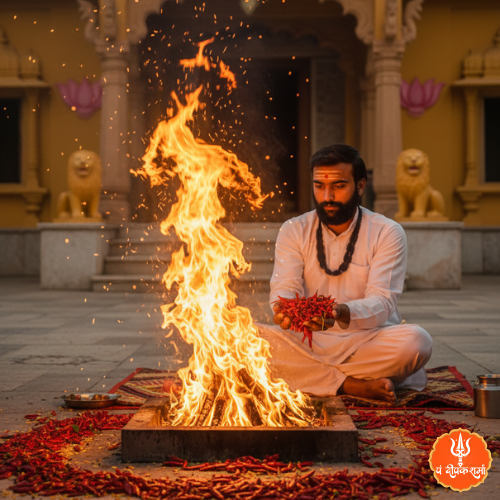
Introduction
Baglamukhi Anushthan is a revered ritual dedicated to the divine Goddess Baglamukhi, one of the ten Mahavidyas in Hindu tradition. This sacred practice is performed to invoke the blessings of the goddess for various purposes, including the removal of obstacles, success in endeavors, and protection from adversaries. The ritual is not only a means of seeking divine intervention but also a profound spiritual journey that connects devotees with the divine energy of Baglamukhi Mata.
In this detailed guide, we will explore the significance, methodology, and benefits of Baglamukhi Anushthan. Whether you are a beginner or someone seeking to deepen your understanding of this ritual, this guide will provide you with comprehensive insights into performing the Anushthan effectively.
Meaning of This Ritual
The term ‘Anushthan’ refers to a systematic and disciplined practice aimed at achieving a specific spiritual goal. In the context of Baglamukhi Anushthan, it embodies the essence of devotion, discipline, and surrender to the divine will of Goddess Baglamukhi. The ritual is steeped in Vedic traditions and is believed to harness the cosmic energies associated with the goddess, leading to transformative experiences for the devotee.
Baglamukhi is often associated with speech, power, and the ability to overcome obstacles. The Anushthan serves as a medium for devotees to express their reverence and seek the goddess’s blessings for clarity in communication, victory over challenges, and protection from negativity. The practice is not merely a ritualistic performance but a heartfelt invocation of divine grace.
How This Ritual Helps
Baglamukhi Anushthan is performed for various reasons, each rooted in the belief that the goddess can aid in overcoming life’s challenges. One of the primary benefits of this ritual is the removal of obstacles that hinder personal and professional growth. Many devotees have reported significant improvements in their careers, relationships, and overall well-being after performing this Anushthan.
Additionally, the ritual is known for its protective qualities. It is believed that invoking the goddess can shield individuals from negative energies, adversaries, and unforeseen troubles. This aspect makes it particularly popular among those facing legal battles, career challenges, or personal conflicts.
Mythological Background
The mythology surrounding Goddess Baglamukhi is rich and profound. According to ancient texts, she is depicted as a powerful deity who can immobilize enemies and grant victory to her devotees. Her very name, ‘Baglamukhi’, signifies the one who can control speech and silence adversaries. This aspect of her personality is crucial in understanding the significance of the Anushthan.
One of the most famous legends associated with Baglamukhi involves a fierce battle between the gods and demons. The gods, unable to defeat the demons, invoked the goddess, who manifested in a radiant form, wielding a tongue of fire. With her divine power, she silenced the demons and restored balance to the universe. This story exemplifies her role as a protector and a force against negativity.
Moreover, Baglamukhi is often depicted with a yellow complexion, symbolizing knowledge and wisdom. Her association with the color yellow also represents prosperity and abundance, making her worship beneficial for those seeking success in various endeavors.
Throughout history, numerous saints and sages have sung praises of Baglamukhi, attributing their successes to her divine grace. This deep-rooted mythology enhances the spiritual significance of the Anushthan, making it a vital practice for devotees seeking her blessings.
Who Should Perform This
Baglamukhi Anushthan is suitable for anyone seeking spiritual growth, clarity, and protection. It is particularly beneficial for individuals facing challenges in their careers, legal matters, or personal relationships. Those who feel overwhelmed by negativity or adversaries may find solace and strength through this ritual.
Moreover, students preparing for exams or individuals looking to enhance their communication skills can also benefit from performing this Anushthan. The goddess’s blessings are believed to sharpen intellect and improve articulation, making it a valuable practice for anyone in pursuit of knowledge.
Step-by-Step Vidhi (Very Detailed)
Preparation for the Anushthan
Before commencing the Baglamukhi Anushthan, it is essential to prepare oneself both physically and mentally. The devotee should choose a clean and sacred space for the ritual, preferably a quiet corner of the home or a temple dedicated to Goddess Baglamukhi. The area should be adorned with flowers, incense, and a picture or idol of the goddess.
It is advisable to take a bath and wear clean, preferably yellow, clothes, as yellow is the color associated with Baglamukhi. The devotee should also gather all necessary items for the ritual, including a wooden platform (ashtakshara), a sacred thread (yajnopavita), flowers, fruits, and offerings like ghee and grains.
Performing the Sankalp
The first step in the Anushthan is to perform the Sankalp, which is a vow or intention-setting process. The devotee should sit in a comfortable position, close their eyes, and focus on the image of Goddess Baglamukhi. With a pure heart, the devotee should express their intentions and desires, seeking the goddess’s blessings for success and protection.
During the Sankalp, it is essential to recite the mantra “ॐ ह्लीं बगलामुखि सर्वविघ्न नाशाय ह्लीं” (Om Hleem Baglamukhi Sarvavighna Nashaya Hleem) with devotion. This mantra is believed to invoke the goddess’s energy and facilitate the removal of obstacles. The devotee should visualize their intentions manifesting as they chant the mantra, creating a powerful connection with the divine.
Offering the Havan
After completing the Sankalp, the devotee should prepare for the Havan, which involves making offerings into the sacred fire. A Havan kund (fire pit) should be set up, filled with wood and ghee. The fire is lit with the intention of purifying the space and invoking the goddess’s presence.
As the flames rise, the devotee should offer grains, herbs, and other items into the fire while chanting the mantra. Each offering should be made with a specific intention, whether it be for success, protection, or clarity. The act of offering symbolizes surrendering one’s desires to the goddess, trusting in her divine will.
Concluding the Ritual
Once the offerings are complete, the devotee should sit in silence, reflecting on the experience and expressing gratitude to Goddess Baglamukhi. It is essential to conclude the Anushthan with a prayer, seeking the goddess’s blessings for continued guidance and support.
After the ritual, the devotee may distribute prasad (blessed food) among family and friends, sharing the divine energy and blessings received during the Anushthan. This act of sharing enhances the spiritual connection and spreads positivity within the community.
Mantra for This Ritual
The primary mantra for Baglamukhi Anushthan is “ॐ ह्लीं बगलामुखि सर्वविघ्न नाशाय ह्लीं” (Om Hleem Baglamukhi Sarvavighna Nashaya Hleem). This mantra is a powerful invocation that calls upon the goddess to remove all obstacles and grant success in endeavors.
In transliteration, it reads as: Om Hleem Baglamukhi Sarvavighna Nashaya Hleem. The meaning of this mantra can be broken down as follows:
- ॐ (Om): The sacred sound representing the universe and the ultimate reality.
- ह्लीं (Hleem): A seed syllable associated with the goddess, symbolizing her divine energy.
- बगलामुखि (Baglamukhi): The name of the goddess, representing her power to control and protect.
- सर्वविघ्न (Sarvavighna): Meaning ‘all obstacles’, indicating the removal of all hindrances.
- नाशाय (Nashaya): Signifying destruction or removal, emphasizing the transformative power of the goddess.
Chanting this mantra with devotion and focus during the Anushthan amplifies the connection with the goddess and enhances the effectiveness of the ritual. It is recommended to chant this mantra 108 times, either during the Havan or as a separate practice, to invoke the goddess’s blessings fully.
Do’s & Don’ts
Do’s
- Perform the Anushthan with a pure heart and sincere intentions.
- Use clean and sacred materials for the ritual.
- Maintain focus and devotion throughout the process.
- Share prasad with family and friends after the ritual.
Don’ts
- Avoid distractions during the Anushthan.
- Do not engage in negative thoughts or actions before or during the ritual.
- Refrain from using impure or non-vegetarian items in the offerings.
- Do not rush through the ritual; take your time to connect with the divine.
When to Perform
Baglamukhi Anushthan can be performed on any auspicious day, but certain times are considered more favorable. Performing the ritual during the waxing moon (Shukla Paksha) is believed to enhance its effectiveness. Additionally, specific festivals dedicated to Goddess Baglamukhi, such as Navratri, are particularly auspicious for conducting this Anushthan.
It is also advisable to perform the Anushthan during times of personal crisis or when facing significant challenges. The goddess’s blessings are believed to be especially potent during such periods, providing the devotee with the strength and guidance needed to overcome obstacles.
Nalkheda Temple Connection
The Nalkheda Temple, dedicated to Goddess Baglamukhi, is a significant pilgrimage site for devotees. Located in the Agar Malwa district of Madhya Pradesh, this temple attracts thousands of pilgrims seeking the goddess’s blessings. The temple is renowned for its serene environment and the powerful energy that resonates within its walls.
Visiting the Nalkheda Temple and performing Baglamukhi Anushthan there can amplify the spiritual experience. The temple’s sanctity and the presence of the goddess are believed to enhance the effectiveness of the ritual. Many devotees have reported profound transformations in their lives after performing rituals at this sacred site.
FAQ
What is Baglamukhi Anushthan?
Baglamukhi Anushthan is a spiritual ritual dedicated to Goddess Baglamukhi, aimed at invoking her blessings for success, protection, and the removal of obstacles. The practice involves a series of steps, including preparation, Sankalp, Havan, and concluding prayers, all performed with devotion and sincerity.
Who can perform the Anushthan?
Anyone seeking spiritual growth, clarity, and protection can perform Baglamukhi Anushthan. It is particularly beneficial for individuals facing challenges in their careers, legal matters, or personal relationships. Students and professionals looking to enhance their communication skills may also find this ritual helpful.
What are the benefits of performing this ritual?
The benefits of Baglamukhi Anushthan include the removal of obstacles, protection from negativity, and success in various endeavors. Many devotees have experienced positive changes in their lives, including improved career prospects and resolution of conflicts after performing this ritual.
When is the best time to perform the Anushthan?
Baglamukhi Anushthan can be performed at any time, but it is most effective during the waxing moon (Shukla Paksha) and on festivals dedicated to Goddess Baglamukhi, such as Navratri. Performing the ritual during personal crises is also recommended for maximum impact.
What materials are needed for the Anushthan?
Essential materials for Baglamukhi Anushthan include a wooden platform, sacred thread, flowers, fruits, ghee, grains, and items for the Havan. It is important to use clean and pure materials to maintain the sanctity of the ritual.
How can I connect with Pandit Deepak Sharma for guidance?
If you wish to perform Baglamukhi Anushthan with proper Vedic vidhi, you can seek guidance from Nalkheda’s experienced pandit Pandit Deepak Sharma. He conducts traditional Baglamukhi pooja and Havan with authenticity and devotion.