Introduction
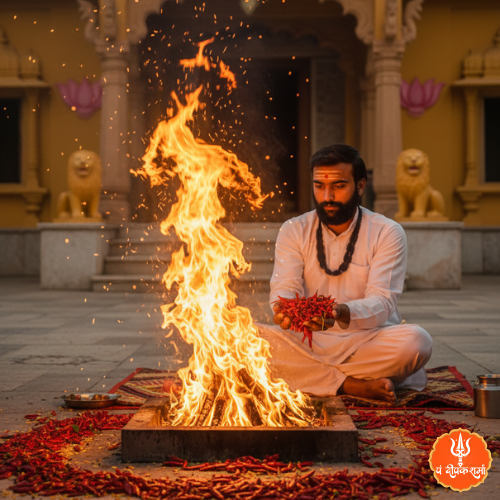
baglamukhi Havan is a sacred ritual that holds immense significance in Hindu tradition, particularly for devotees seeking protection, victory over adversaries, and success in various endeavors. The essence of this havan lies in invoking the divine blessings of Goddess Baglamukhi, one of the ten Mahavidyas, who is revered for her power to silence enemies and bestow wisdom. This detailed guide aims to elucidate the advanced concepts of the Baglamukhi Havan procedure, ensuring that devotees can perform this ritual with utmost devotion and adherence to Vedic traditions.
The Nalkheda Baglamukhi Temple, located in Madhya Pradesh, serves as a spiritual hub for many devotees who come seeking the blessings of the goddess. The temple is renowned for its authentic rituals, performed by experienced pandits like Pandit Deepak Sharma, who guide devotees in conducting havans and poojas as per the sacred Vedic scriptures. By understanding the intricacies of the Baglamukhi Havan procedure, devotees can harness the full potential of this powerful ritual.
Meaning of This Ritual
The term ‘Havan’ refers to the sacred fire ritual in which offerings are made to the deities. In the context of Baglamukhi Havan, the ritual is specifically designed to invoke the goddess’s blessings for overcoming obstacles, achieving legal victories, and gaining success in various aspects of life. The fire symbolizes purification, and the offerings made during the havan serve as a medium to connect with the divine.
Baglamukhi, known for her ability to control speech and silence adversaries, plays a pivotal role in this ritual. The havan is not merely a ceremonial act; it is a profound spiritual practice that aligns the devotee’s intentions with the divine will, fostering a sense of peace and empowerment. The symbolism of the havan is deeply rooted in the belief that by offering our intentions and desires to the sacred fire, we are surrendering our worries to the goddess, who then transforms them into blessings.
How This Ritual Helps
The Baglamukhi Havan is particularly beneficial for individuals facing legal challenges, conflicts with enemies, or obstacles in their careers. By performing this ritual, devotees seek the goddess’s intervention to remove negativity and ensure success in their endeavors. The havan acts as a spiritual shield, protecting the devotee from harm and guiding them towards favorable outcomes.
Moreover, the ritual fosters a deep sense of inner peace and clarity. As devotees engage in the process of offering and chanting, they cultivate mindfulness and focus, allowing them to align their thoughts and actions with their higher purpose. This alignment is crucial for manifesting one’s desires and overcoming challenges.
Mythological Background
The mythology surrounding Goddess Baglamukhi is rich and profound. She is often depicted as a powerful figure who embodies the essence of wisdom and strength. According to ancient texts, Baglamukhi emerged from the collective energy of the goddesses during a cosmic battle against evil forces. Her primary role was to protect the righteous and ensure justice prevails.
One of the most famous legends associated with Baglamukhi involves her confrontation with the demon Madan. The demon, who represented chaos and negativity, was subdued by Baglamukhi’s divine power, illustrating her ability to silence adversaries and restore harmony. This mythological narrative reinforces the significance of the Baglamukhi Havan, as devotees seek her blessings to overcome their own challenges and adversaries.
Furthermore, the goddess is revered for her ability to grant wisdom and discernment. Many devotees perform the Baglamukhi Havan to enhance their decision-making abilities, particularly in legal matters or competitive environments. The havan serves as a means to invoke her blessings for clarity and guidance.
Who Should Perform This
The Baglamukhi Havan is recommended for individuals facing legal issues, conflicts with enemies, or those seeking success in their careers. It is particularly beneficial for lawyers, business professionals, and students preparing for competitive exams. Anyone who feels overwhelmed by obstacles or negativity in their life can benefit from this powerful ritual.
Moreover, the havan is suitable for those who wish to enhance their spiritual growth and seek divine guidance. By performing the Baglamukhi Havan, devotees can cultivate a deeper connection with the goddess, allowing her wisdom to illuminate their path. It is essential to approach this ritual with sincerity and devotion, as the goddess responds to the genuine intentions of her devotees.
Step-by-Step Vidhi (Very Detailed)
Preparation for the Havan
Before commencing the Baglamukhi Havan, it is crucial to prepare the space and gather the necessary materials. The havan should ideally be performed in a clean and sacred environment, free from distractions. Devotees should create a designated area for the havan, preferably facing east or north, as these directions are considered auspicious.
The materials required for the havan include a havan kund (fire pit), ghee (clarified butter), various herbs, and specific offerings such as grains and flowers. It is also essential to have a copy of the Baglamukhi mantra, which will be recited during the ritual. Devotees should ensure that they are in a calm and focused state of mind, as this will enhance the effectiveness of the ritual.
Performing the Sankalp
The next step involves performing the Sankalp, which is a declaration of intent. The devotee should sit in front of the havan kund, hold a handful of rice, and recite the Sankalp mantra. This declaration serves as a means to communicate one’s desires and intentions to the goddess. It is vital to be specific about the outcomes one wishes to achieve through the havan.
During the Sankalp, devotees should visualize their intentions and focus on the desired results. This mental clarity is essential for the success of the ritual, as it aligns the devotee’s energy with the divine. After completing the Sankalp, the devotee should place the rice into the havan kund as an offering.
Lighting the Sacred Fire
Once the Sankalp is complete, the next step is to light the sacred fire in the havan kund. This fire represents the divine presence of Goddess Baglamukhi. The fire should be ignited using dry wood or cow dung cakes, as these materials are considered pure and auspicious.
As the fire is lit, devotees should chant the Baglamukhi mantra, invoking the goddess’s blessings. The mantra should be recited with devotion and focus, allowing the energy of the chant to permeate the space. The flames should be allowed to stabilize before proceeding with the offerings.
Offering Ghee and Herbs
With the fire now established, devotees can begin making offerings of ghee and herbs into the flames. Ghee is considered a sacred substance that enhances the potency of the havan. Each offering should be accompanied by the recitation of the Baglamukhi mantra, further amplifying the energy of the ritual.
Devotees may also include specific herbs known for their purifying properties, such as sandalwood and camphor. These offerings serve to purify the environment and invite positive energies into the space. It is essential to maintain a meditative state during this process, allowing the divine energy to flow freely.
Concluding the Havan
After making the offerings, the havan should be concluded with a final prayer of gratitude to Goddess Baglamukhi. Devotees should express their heartfelt thanks for the blessings received and seek her continued guidance. This concluding prayer reinforces the connection between the devotee and the divine, ensuring that the energy generated during the ritual is directed towards positive outcomes.
Finally, devotees should allow the fire to burn down completely, symbolizing the transformation of their intentions into divine blessings. The remnants of the havan can be collected and disposed of respectfully, often by immersing them in a river or burying them in the earth, signifying a return to nature.
Mantra for This Ritual
The primary mantra associated with the Baglamukhi Havan is:
ॐ ह्लीं बगलामुखि सर्वविघ्न नाशाय ह्लीं
Transliteration: Om Hleem Baglamukhi Sarva Vighna Nashaya Hleem
Meaning: This mantra is a powerful invocation of Goddess Baglamukhi, seeking her blessings to remove all obstacles and challenges. The syllable ‘Hleem’ is a bija mantra that embodies the energy of the goddess, while the phrase ‘Sarva Vighna Nashaya’ emphasizes the intention to eliminate all forms of hindrances.
Reciting this mantra during the havan not only enhances the ritual’s effectiveness but also instills a sense of confidence and determination in the devotee. It serves as a reminder of the goddess’s protective presence, guiding the devotee towards success and victory.
Do’s & Don’ts
Do’s
- Perform the havan with a pure heart and sincere intentions.
- Ensure the space is clean and free from distractions.
- Use only pure and natural materials for the offerings.
- Maintain focus and mindfulness during the ritual.
- Express gratitude to the goddess after the havan.
Don’ts
- Avoid performing the havan in a hurried manner.
- Do not use artificial or impure materials for offerings.
- Refrain from engaging in negative thoughts during the ritual.
- Do not interrupt the process once it has begun.
- Avoid discussing negative topics during the havan.
When to Perform
The Baglamukhi Havan can be performed at any time, but certain auspicious days are particularly favorable. These include the days of Navratri, full moons, and specific tithis dedicated to Goddess Baglamukhi. Performing the havan on these auspicious days enhances its effectiveness and aligns the devotee with the cosmic energies.
Additionally, it is recommended to perform the havan during times of personal crisis or when facing significant challenges. This proactive approach allows devotees to seek divine intervention and guidance, ensuring that they remain aligned with their spiritual path.
Nalkheda Temple Connection
The Nalkheda Baglamukhi Temple is a revered site for devotees seeking the blessings of Goddess Baglamukhi. The temple is known for its authentic rituals and the expertise of Pandit Deepak Sharma, who has dedicated his life to serving the goddess and guiding devotees in their spiritual journeys. The temple attracts visitors from all over the country, who come to experience the divine presence and participate in sacred rituals.
By performing the Baglamukhi Havan at the Nalkheda Temple, devotees can immerse themselves in the rich spiritual atmosphere and receive the blessings of the goddess in her sacred abode. The temple serves as a beacon of hope and empowerment for those seeking resolution to their challenges and obstacles.