Meaning of This Ritual
The baglamukhi rituals, particularly the havans and anushthans, hold profound significance in the spiritual realm. These rituals are dedicated to Devi Baglamukhi, one of the ten Mahavidyas, revered for her power to bestow wisdom, victory, and protection. Performing these rituals is believed to invoke her divine blessings, leading to the removal of obstacles and the attainment of success in various endeavors.
Baglamukhi havan, specifically, is a fire ritual that symbolizes the purification of the mind and soul. The sacred fire acts as a medium to connect with the divine, allowing devotees to offer their prayers and intentions directly to the goddess. This ritual is not merely a set of actions; it is a heartfelt expression of devotion and surrender to the divine will.
In essence, the Baglamukhi rituals serve as a bridge between the material and spiritual worlds, facilitating a deeper connection with the divine. They are designed to align the devotee’s energies with the cosmic forces, ensuring that their prayers are heard and answered by the goddess.
How This Ritual Helps
The Baglamukhi rituals are renowned for their transformative power. They are particularly effective in overcoming challenges, whether they be related to personal, professional, or legal matters. The havan and anushthan are believed to invoke the goddess’s blessings, providing strength and clarity to navigate through life’s difficulties.
One of the primary benefits of performing Baglamukhi havan is the removal of negative influences and enemies. The ritual is specifically designed to invoke the goddess’s protective energies, ensuring that the devotee is shielded from harm. This aspect is particularly crucial for individuals facing legal battles or conflicts, as the ritual helps in achieving victory and justice.
Additionally, the spiritual vibrations generated during the havan are said to purify the environment, creating a positive atmosphere conducive to growth and success. Devotees often report a sense of peace and clarity after performing these rituals, which aids in making informed decisions and pursuing their goals with renewed vigor.
Mythological Background
The mythology surrounding Devi Baglamukhi is rich and profound. She is often depicted as a goddess who possesses the power to silence enemies and grant victory in disputes. According to ancient texts, she emerged from the divine energy of Lord Shiva and Goddess Shakti, embodying the essence of wisdom and strength.
One of the most revered stories associated with Baglamukhi is that of her battle against the demon Madan. The demon, who represented ignorance and chaos, was defeated by the goddess through her divine wisdom and strength. This victory not only restored order but also established her as a protector of her devotees, ensuring that they would be shielded from harm.
Furthermore, Baglamukhi is often associated with the power of speech and communication. It is believed that her blessings can help devotees articulate their thoughts clearly, making her rituals particularly beneficial for those involved in legal matters or public speaking. The goddess’s ability to control speech symbolizes the importance of using one’s words wisely and with intention.
Who Should Perform This
The Baglamukhi rituals are suitable for anyone seeking relief from obstacles, whether they be related to personal, professional, or legal issues. Individuals facing challenges in their careers, relationships, or health can greatly benefit from these rituals. Additionally, those involved in legal disputes or seeking justice are particularly encouraged to perform the Baglamukhi havan.
Moreover, the rituals are also beneficial for students and professionals who wish to enhance their communication skills and clarity of thought. The blessings of Devi Baglamukhi can aid in overcoming fears associated with public speaking and presentations, making it an ideal ritual for those in competitive fields.
Ultimately, anyone who seeks the divine guidance of Baglamukhi Mata, whether for personal growth, protection from enemies, or success in endeavors, can perform these rituals with devotion and sincerity.
Step-by-Step Vidhi (Very Detailed)
The vidhi for performing the Baglamukhi havan is a sacred process that requires devotion and adherence to Vedic traditions. Here is a detailed step-by-step guide to performing this powerful ritual:
Preparation
Before beginning the havan, it is essential to prepare the space. Clean the area where the havan will be conducted, ensuring it is free from any distractions. Set up a sacred altar with an image or idol of Devi Baglamukhi, along with necessary items such as a havan kund (fire pit), ghee, samagri (ritual ingredients), and flowers.
Devotees should also take a bath and wear clean, preferably white or yellow clothes, symbolizing purity and devotion. It is advisable to perform the havan on auspicious days, such as during the Navratri festival or on a Tuesday, which is considered favorable for invoking the goddess’s blessings.
Invocation of the Goddess
Once the space is prepared, the next step is to invoke the presence of Devi Baglamukhi. This is done by chanting specific mantras and offering flowers and incense at her altar. The invocation sets the intention for the ritual and establishes a connection with the divine.
Devotees should recite the following mantra during this phase: ॐ ह्लीं बगलामुखि सर्वविघ्न नाशाय ह्लीं (Om Hleem Baglamukhi Sarvavighna Nashaya Hleem). This mantra is a powerful invocation that calls upon the goddess to remove all obstacles and grant success in endeavors.
Performing the Havan
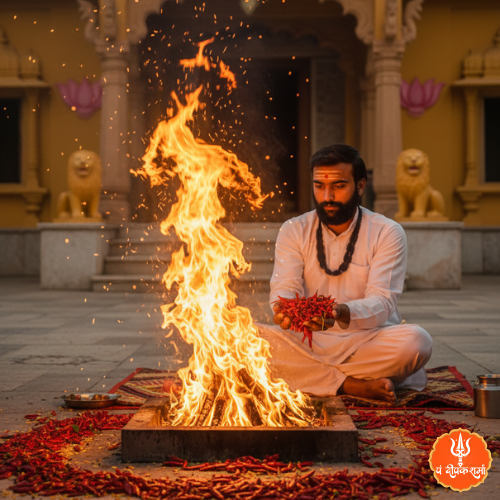
After invoking the goddess, the actual havan can begin. Light the fire in the havan kund using dry wood and ghee. As the flames rise, offer the samagri into the fire while chanting the mantra. Each offering should be accompanied by a heartfelt prayer, expressing your intentions and desires.
It is important to maintain focus and devotion during this phase, as the energy generated by the fire and the chanting creates a powerful spiritual atmosphere. Continue offering samagri and chanting the mantra for a specified duration, typically around 30 to 60 minutes, depending on individual preference and guidance from a knowledgeable pandit.
Concluding the Ritual
Once the havan is complete, conclude the ritual by thanking Devi Baglamukhi for her blessings. Offer prasad (blessed food) to the goddess and distribute it among family members and participants. This act symbolizes sharing the divine blessings received during the ritual.
Finally, perform aarti (a ceremonial worship with light) to honor the goddess and seek her continued guidance. The aarti should be accompanied by devotional songs or hymns dedicated to Baglamukhi, creating a joyful and reverent atmosphere.
Mantra for This Ritual
The mantra associated with the Baglamukhi havan is a powerful invocation that encapsulates the essence of the goddess’s blessings. The mantra is:
ॐ ह्लीं बगलामुखि सर्वविघ्न नाशाय ह्लीं
Transliteration: Om Hleem Baglamukhi Sarvavighna Nashaya Hleem
Meaning: This mantra translates to invoking the goddess Baglamukhi to remove all obstacles and grant success in endeavors. The syllable ‘Hleem’ is a bija mantra, representing the energy of the goddess, while ‘Sarvavighna Nashaya’ signifies the removal of all hindrances. Chanting this mantra with devotion and sincerity during the havan amplifies the spiritual energy and aligns the devotee with the divine will.
Chanting this mantra not only aids in overcoming obstacles but also enhances clarity of thought and communication, making it particularly beneficial for those involved in legal matters or public speaking. The vibrations created by the mantra resonate with the energies of the universe, attracting positive outcomes and blessings from the goddess.
Do’s & Don’ts
Performing the Baglamukhi rituals requires adherence to certain guidelines to ensure their effectiveness. Here are some essential do’s and don’ts:
Do’s
- Perform the rituals with a pure heart and sincere intentions.
- Use fresh and pure ingredients for the havan.
- Maintain a calm and focused mind during the ritual.
- Recite the mantras with devotion and clarity.
- Offer prasad to the goddess and share it with family members.
Don’ts
- Avoid performing the rituals in a cluttered or noisy environment.
- Do not consume alcohol or non-vegetarian food before or during the rituals.
- Refrain from using stale or impure ingredients for the havan.
- Do not rush through the rituals; take your time to connect with the divine.
- Avoid negative thoughts or distractions during the ritual.
When to Perform
The timing of the Baglamukhi rituals can significantly influence their effectiveness. It is advisable to perform these rituals on auspicious days, such as during the Navratri festival, which is dedicated to the worship of the divine feminine. Tuesdays are also considered particularly favorable for invoking the blessings of Baglamukhi.
Additionally, performing the havan during a waxing moon phase (Shukla Paksha) is believed to enhance the potency of the rituals. This time is associated with growth and positivity, making it ideal for seeking blessings for success and protection.
Ultimately, the best time to perform the Baglamukhi rituals is when the devotee feels a deep connection and readiness to seek the goddess’s blessings. Personal circumstances and intentions should guide the timing of the rituals.
How Pandit Deepak Sharma can help
Pandit Deepak Sharma, with his extensive experience in performing Baglamukhi rituals, offers authentic Vedic guidance to devotees seeking to connect with the divine. His deep understanding of the rituals and their significance ensures that each ceremony is conducted with utmost devotion and adherence to tradition.
By consulting with Pandit Deepak Sharma, devotees can receive personalized guidance on the appropriate rituals for their specific needs, whether it be for overcoming obstacles, seeking justice, or enhancing communication skills. His expertise in the nuances of the rituals ensures that devotees can experience the full benefits of invoking Devi Baglamukhi’s blessings.
Moreover, Pandit Deepak Sharma’s compassionate approach and spiritual wisdom provide a reassuring presence for those navigating challenging situations. His guidance helps devotees maintain faith and clarity, empowering them to pursue their goals with confidence.
Nalkheda Temple Connection
The Nalkheda Baglamukhi Temple, located in Madhya Pradesh, is a sacred site dedicated to Devi Baglamukhi. This temple is renowned for its spiritual significance and attracts devotees from far and wide seeking the goddess’s blessings. The temple’s serene environment and divine energy create an ideal setting for performing Baglamukhi rituals.
Visiting the Nalkheda Temple allows devotees to immerse themselves in the spiritual ambiance and connect with the goddess on a deeper level. The temple is a hub for various rituals, including havans and anushthans, conducted by experienced pandits like Deepak Sharma, ensuring that the rituals are performed in accordance with Vedic traditions.
Additionally, the temple serves as a place of community and support for devotees, fostering a sense of belonging and shared devotion. Engaging in rituals at the temple not only enhances spiritual growth but also strengthens the bond with fellow devotees and the divine.
FAQ
What is the significance of Baglamukhi havan?
The Baglamukhi havan holds immense significance as it is a powerful ritual aimed at invoking the blessings of Devi Baglamukhi. This ritual is particularly effective in overcoming obstacles, whether they are personal, professional, or legal in nature. The havan creates a sacred environment where devotees can express their intentions and seek divine intervention.
Through the offerings made in the fire, devotees connect with the goddess, allowing her energy to flow into their lives. The havan is not just a ritual; it is a heartfelt plea for guidance and support. Many devotees have experienced transformative changes in their lives after performing this ritual, highlighting its importance in spiritual practice.
Can anyone perform the Baglamukhi rituals?
Yes, the Baglamukhi rituals can be performed by anyone seeking the blessings of the goddess. There are no restrictions based on caste, creed, or gender. The rituals are open to all who approach with sincerity and devotion. Individuals facing challenges in their lives, whether related to career, relationships, or legal matters, are particularly encouraged to engage in these rituals.
It is essential, however, to perform the rituals with a pure heart and genuine intentions. The effectiveness of the rituals is closely tied to the devotee’s mindset and commitment to seeking the goddess’s blessings. Consulting with an experienced pandit can also enhance the experience and ensure that the rituals are conducted correctly.
What materials are needed for the Baglamukhi havan?
To perform the Baglamukhi havan, certain materials are essential. These include a havan kund (fire pit), ghee, samagri (a mixture of sacred offerings), flowers, incense, and a picture or idol of Devi Baglamukhi. The samagri typically consists of various herbs, grains, and other offerings that are considered auspicious.
It is crucial to use fresh and pure materials to maintain the sanctity of the ritual. The quality of the offerings can influence the energy generated during the havan, making it vital to approach the ritual with respect and care. Devotees are encouraged to gather these materials in advance to ensure a smooth and uninterrupted ritual experience.
How long does the havan take to perform?
The duration of the Baglamukhi havan can vary based on individual preferences and the guidance of the pandit performing the ritual. Typically, the havan lasts between 30 to 60 minutes. This timeframe allows for sufficient offerings to be made and for the devotee to connect deeply with the divine.
It is important to approach the havan with patience and focus, as rushing through the ritual may diminish its effectiveness. Devotees are encouraged to create a serene atmosphere during the havan, allowing the energy to build and resonate throughout the ritual.
What should I do after the havan?
After completing the Baglamukhi havan, it is customary to express gratitude to Devi Baglamukhi for her blessings. Offering prasad (blessed food) and distributing it among family members is a way to share the divine blessings received during the ritual. This act fosters a sense of community and connection among participants.
Additionally, performing aarti (a ceremonial worship with light) is a beautiful way to honor the goddess and seek her continued guidance. Devotees may also wish to reflect on their intentions and the experiences during the havan, allowing the energy generated to manifest in their lives.
Can I perform the havan at home?
Yes, the Baglamukhi havan can be performed at home, provided that the space is clean and conducive to spiritual practice. Creating a dedicated area for the havan, free from distractions, enhances the experience. It is advisable to follow the prescribed vidhi and gather the necessary materials to ensure the ritual’s authenticity.
For those who may feel uncertain about performing the havan alone, consulting with an experienced pandit like Deepak Sharma can provide valuable guidance and support. This ensures that the ritual is conducted correctly and that the devotee can fully experience the blessings of Devi Baglamukhi.
Recommended Reading / Further Exploration
- Real-World Use Cases of Court Case Havan
- Common Mistakes in Baglamukhi Puja Nalkheda and How to Fix Them
- Baglamukhi Puja Madhya Pradesh for Small Businesses: Practical Implementation
- Mirchi Havan by Deepak Sharma for Small Businesses: Practical Implementation
- Common Mistakes in Court Case Havan and How to Fix Them