Meaning of This Ritual
The Shatrunashak Havan is a sacred Vedic ritual dedicated to the divine energy of Devi Baglamukhi, one of the ten Mahavidyas. The term ‘Shatrunashak’ translates to ‘enemy destroyer’, signifying the ritual’s primary purpose of removing obstacles and adversaries from one’s life. This havan is performed to invoke the blessings of the goddess, seeking her protection and strength against negative influences and rivalries.
In essence, the Shatrunashak Havan is not merely a ritual; it is a profound spiritual practice that aligns the devotee’s energies with the divine. Through this havan, devotees express their surrender to Devi Baglamukhi, asking for her grace to overcome challenges posed by enemies, whether they be in personal, professional, or spiritual realms. The havan creates a sacred space where the energies of the universe can be harnessed for protection and empowerment.
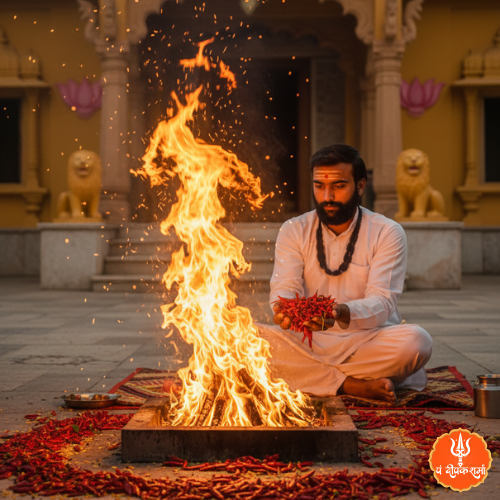
Moreover, the ritual involves the chanting of specific mantras and the offering of sacred items into the fire, which symbolizes the transformation of negative energies into positive ones. This process not only aids in dispelling adversities but also purifies the devotee’s mind and spirit, fostering a sense of peace and clarity.
How This Ritual Helps
The Shatrunashak Havan serves multiple purposes, primarily focusing on the removal of enemies and obstacles. By performing this ritual, devotees can experience a profound shift in their circumstances. The havan is believed to invoke the protective energies of Devi Baglamukhi, who is revered for her ability to silence and conquer adversaries. This divine intervention is crucial for those facing legal battles, workplace conflicts, or personal disputes.
Additionally, the ritual enhances the devotee’s inner strength and confidence. As the flames consume the offerings, it symbolizes the burning away of negativity and the empowerment of the individual. This process is not just about external victories; it also fosters a sense of internal peace and resilience, enabling devotees to face challenges with a calm and composed mind.
Furthermore, the Shatrunashak Havan is often performed during auspicious times, amplifying its effectiveness. The collective energy generated during the ritual, especially when performed in a group, can lead to significant breakthroughs in overcoming adversities. Devotees often report a marked improvement in their situations following the completion of this sacred ceremony.
Mythological Background
Devi Baglamukhi is one of the most revered forms of the Divine Mother in Hindu mythology, embodying the power of speech and the ability to control and silence enemies. Her mythology is rich with stories that highlight her prowess in overcoming challenges and protecting her devotees. One of the most notable tales involves her defeating a demon who threatened the peace of the universe, showcasing her role as a protector and a warrior.
According to ancient texts, Devi Baglamukhi is often depicted holding a tongue of a demon, symbolizing her ability to control harmful speech and actions. This aspect of her mythology is particularly relevant to the Shatrunashak Havan, as it emphasizes her power to neutralize adversaries and protect her devotees from harm. The ritual invokes this divine energy, allowing devotees to seek her blessings for victory over their enemies.
Moreover, the havan is rooted in the Vedic tradition, where fire is considered a purifying element. The offerings made during the ritual are believed to carry the devotee’s intentions to the divine realm, where they are transformed and returned as blessings. This connection to ancient practices enhances the spiritual significance of the Shatrunashak Havan, making it a vital ritual for those seeking protection and empowerment.
Who Should Perform This
The Shatrunashak Havan is particularly beneficial for individuals facing challenges posed by enemies, whether in personal relationships, professional settings, or legal matters. Anyone who feels threatened or hindered by negative influences can benefit from this powerful ritual. It is especially recommended for those involved in disputes, competitive environments, or any situation where they feel they are being unjustly targeted.
Additionally, this havan is suitable for individuals seeking to enhance their inner strength and confidence. Those who wish to cultivate a sense of peace and resilience in the face of adversity will find this ritual to be a source of empowerment. It is also advisable for individuals who are spiritually inclined and wish to deepen their connection with Devi Baglamukhi.
Moreover, families facing collective challenges, such as financial difficulties or health issues, can perform the Shatrunashak Havan as a united front. The collective energy generated during the ritual can amplify its effectiveness, fostering a sense of unity and shared purpose among family members.
Step-by-Step Vidhi (Very Detailed)
Performing the Shatrunashak Havan requires adherence to specific Vedic rituals to ensure its efficacy. The following steps outline the traditional vidhi for this sacred ceremony:
Preparation
Before the ritual begins, it is essential to prepare the havan kund (fire pit) with purity and intention. Clean the space where the havan will take place, ensuring it is free from any negative energies. Gather all necessary items, including ghee (clarified butter), wooden sticks, herbs, and offerings such as flowers and grains. It is also important to have a picture or idol of Devi Baglamukhi present during the ritual.
Invocation of Deities
Begin the ritual by invoking the presence of Lord Ganesha, the remover of obstacles. Chant the Ganesh Vandana to seek his blessings for a successful ceremony. Following this, invoke Devi Baglamukhi by chanting her mantras, expressing your devotion and surrender. This step is crucial as it establishes a connection with the divine, inviting her energies into the ritual space.
Lighting the Havan Fire
Once the deities are invoked, light the fire in the havan kund using dry wood and ghee. As the flames rise, offer prayers and intentions for the ritual. The fire symbolizes the divine presence and acts as a medium for the offerings to reach the heavens. Maintain the fire throughout the ritual, ensuring it remains strong and vibrant.
Offering and Chanting Mantras
As the fire burns, begin offering the prepared items into the flames, one by one. Each offering should be accompanied by the chanting of specific mantras dedicated to Devi Baglamukhi. For the Shatrunashak Havan, the mantra is: ॐ ह्लीं बगलामुखि सर्व शत्रुस्तम्भनाय स्वाहा (Om Hleem Baglamukhi Sarva Shatrusambhanaya Swaha). This mantra is chanted repeatedly as offerings are made, invoking the goddess’s blessings for protection and victory over enemies.
Concluding the Ritual
After all offerings have been made, conclude the ritual by thanking Devi Baglamukhi and seeking her blessings for peace and protection. Allow the fire to burn out naturally, symbolizing the release of all negative energies. Finally, perform aarti (a ceremonial light offering) to express gratitude and devotion. It is customary to distribute prasad (blessed food) among participants, sharing the divine blessings received during the ritual.
Mantra for This Ritual
The primary mantra for the Shatrunashak Havan is:
ॐ ह्लीं बगलामुखि सर्व शत्रुस्तम्भनाय स्वाहा
**Transliteration:** Om Hleem Baglamukhi Sarva Shatrusambhanaya Swaha
This powerful mantra is a call to Devi Baglamukhi, seeking her divine intervention in silencing enemies and overcoming obstacles. The syllable ‘Hleem’ is a bija (seed) mantra that embodies the energy of the goddess, while ‘Sarva Shatrusambhanaya’ translates to ‘for the removal of all enemies’. The term ‘Swaha’ signifies the offering made into the fire, completing the ritualistic act.
Chanting this mantra with devotion and focus amplifies its effects, aligning the devotee’s energies with those of Devi Baglamukhi. It is recommended to chant this mantra during the havan and in daily prayers for continued protection and empowerment. The repetition of this mantra not only aids in overcoming adversities but also instills a sense of confidence and strength in the devotee.
Do’s & Don’ts
To ensure the effectiveness of the Shatrunashak Havan, it is essential to follow certain guidelines. Here are some do’s and don’ts to keep in mind:
Do’s
- Perform the ritual with a pure heart and focused intention.
- Gather all necessary materials beforehand to avoid interruptions.
- Invite family members or close friends to participate, as collective energy enhances the ritual.
- Maintain a peaceful and respectful atmosphere during the ceremony.
- Chant the mantras with devotion and sincerity, believing in the power of the ritual.
Don’ts
- Avoid performing the ritual in a cluttered or negative environment.
- Do not rush through the offerings or chanting; take your time to connect with the divine.
- Refrain from using impure or non-vedic materials in the havan.
- Do not engage in negative thoughts or discussions during the ritual.
- Avoid distractions such as mobile phones or loud noises that can disrupt the sacred space.
When to Perform
The Shatrunashak Havan can be performed at any time, but certain auspicious days are believed to enhance its effectiveness. Performing the ritual on a Tuesday or during the waxing phase of the moon is considered particularly favorable. These times are associated with strength and protection, aligning with the energies of Devi Baglamukhi.
Additionally, it is beneficial to perform the havan during significant life events, such as starting a new job, entering a new phase in life, or before facing challenges like court cases or competitions. This proactive approach allows devotees to seek divine blessings and fortify themselves against potential adversities.
Moreover, regular performance of the Shatrunashak Havan, such as on a monthly basis, can help maintain a protective shield against negativity and adversities. Devotees often find that consistent engagement with this ritual fosters a deeper connection with Devi Baglamukhi, enhancing their spiritual journey.
How Pandit Deepak Sharma can help
Pandit Deepak Sharma, an experienced Vedic practitioner, specializes in performing the Shatrunashak Havan with authenticity and devotion. With over 25 years of experience, he understands the intricacies of this sacred ritual and the significance of each step involved. His guidance ensures that the havan is conducted according to traditional Vedic practices, maximizing its effectiveness.
By consulting with Pandit Deepak Sharma, devotees can receive personalized advice on the best times to perform the havan and the specific offerings to include based on their unique circumstances. His deep connection with Devi Baglamukhi allows him to channel the goddess’s energies effectively, providing devotees with a profound spiritual experience.
Moreover, Pandit Deepak Sharma emphasizes the importance of intention and devotion in the ritual. He guides devotees in preparing their minds and hearts for the havan, ensuring that they approach the ceremony with the right mindset. This holistic approach enhances the overall impact of the Shatrunashak Havan, leading to transformative experiences for those who seek his guidance.
Nalkheda Temple Connection
The Nalkheda Baglamukhi Temple, located in the Agar Malwa district of Madhya Pradesh, is a significant pilgrimage site for devotees seeking the blessings of Devi Baglamukhi. The temple is renowned for its spiritual ambiance and the authenticity of the rituals performed there. Many devotees travel from far and wide to participate in the Shatrunashak Havan, drawn by the temple’s divine energy and the expertise of Pandit Deepak Sharma.
At the Nalkheda Temple, the Shatrunashak Havan is conducted with utmost reverence, following traditional Vedic protocols. The temple’s serene environment enhances the spiritual experience, allowing devotees to connect deeply with Devi Baglamukhi. The presence of the goddess is felt strongly in the temple, making it an ideal location for performing this powerful ritual.
Additionally, the temple offers a sense of community among devotees, fostering a shared spiritual journey. Participants often share their experiences and insights, creating a supportive environment that amplifies the effects of the havan. The Nalkheda Baglamukhi Temple stands as a beacon of hope and empowerment for those seeking protection and victory over adversities.
FAQ
What is the significance of the Shatrunashak Havan?
The Shatrunashak Havan holds immense significance in Hindu spirituality, particularly for those facing adversities from enemies or negative influences. This ritual is a direct invocation of Devi Baglamukhi, who is revered for her ability to silence and conquer adversaries. By performing this havan, devotees seek her divine intervention to protect themselves from harm and to overcome challenges posed by rivals.
Moreover, the ritual serves as a means of purification, allowing devotees to release negative energies and cultivate inner strength. The act of offering items into the fire symbolizes the transformation of these energies, fostering a sense of peace and resilience. This dual purpose of protection and empowerment makes the Shatrunashak Havan a vital practice for many devotees.
Can anyone perform the Shatrunashak Havan?
Yes, the Shatrunashak Havan can be performed by anyone seeking protection from enemies or negative influences. It is particularly beneficial for individuals facing challenges in personal or professional relationships, legal matters, or any situation where they feel threatened. The ritual is open to all, regardless of their spiritual background, as long as they approach it with sincerity and devotion.
Additionally, families can perform the havan together, creating a collective energy that enhances its effectiveness. This communal aspect fosters a sense of unity and shared purpose, amplifying the blessings received from Devi Baglamukhi. It is advisable to consult with a knowledgeable pandit, such as Pandit Deepak Sharma, to ensure the ritual is conducted properly and effectively.
How long does the Shatrunashak Havan take?
The duration of the Shatrunashak Havan can vary depending on the specific rituals and offerings involved. Typically, the havan lasts between one to two hours. This timeframe allows for the proper invocation of deities, the preparation of offerings, and the chanting of mantras. It is essential to allocate sufficient time to ensure that the ritual is performed with care and devotion.
Moreover, the atmosphere during the havan is crucial for its effectiveness. Taking the time to create a peaceful and focused environment enhances the spiritual experience, allowing devotees to connect deeply with Devi Baglamukhi. Rushing through the ritual can diminish its impact, so it is advisable to approach the Shatrunashak Havan with patience and reverence.
What offerings are made during the Shatrunashak Havan?
During the Shatrunashak Havan, various offerings are made into the sacred fire, each symbolizing the devotee’s intentions and prayers. Common offerings include ghee (clarified butter), grains, herbs, and flowers. These items are chosen for their purity and significance in Vedic rituals, enhancing the connection with the divine.
Each offering is accompanied by the chanting of specific mantras, invoking the blessings of Devi Baglamukhi. The act of offering symbolizes the surrender of negative energies and the desire for protection and empowerment. It is essential to ensure that all materials used in the havan are pure and in alignment with Vedic traditions to maximize the ritual’s effectiveness.
Is it necessary to have a pandit perform the Shatrunashak Havan?
While it is possible for individuals to perform the Shatrunashak Havan on their own, having an experienced pandit like Pandit Deepak Sharma conduct the ritual can significantly enhance its effectiveness. A knowledgeable pandit ensures that the havan is performed according to traditional Vedic protocols, maximizing the blessings received from Devi Baglamukhi.
Additionally, a pandit can provide personalized guidance on the specific offerings and timings for the ritual, tailoring the experience to the devotee’s unique circumstances. The expertise of a pandit also helps create a spiritually charged atmosphere, allowing devotees to connect more deeply with the divine energies invoked during the havan.