Meaning of This Ritual
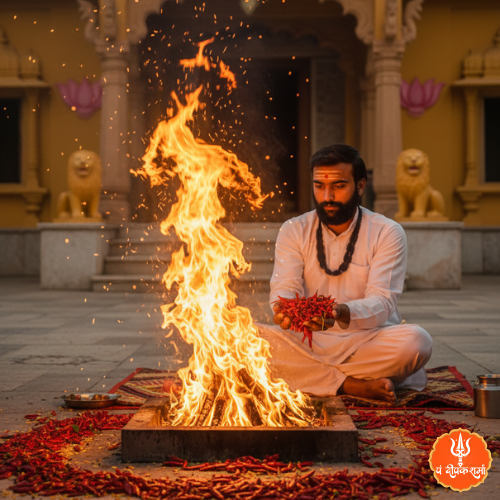
The Baglamukhi havan is a sacred ritual dedicated to Devi Baglamukhi, one of the ten Mahavidyas in Hindu tradition. This havan is performed to invoke the divine blessings of the goddess, who is revered for her power to remove obstacles and enemies. The term ‘havan’ refers to the fire ritual where offerings are made into the sacred fire, symbolizing the surrender of one’s troubles and desires to the divine. In this context, the havan serves as a medium to connect with the divine energy of Baglamukhi, seeking her grace for protection and success.
Understanding the significance of this ritual is crucial for devotees. It is not merely a ceremonial act but a profound spiritual practice that requires devotion, focus, and the right approach. The essence of the havan lies in its ability to purify the mind and surroundings, creating a conducive atmosphere for spiritual growth. Each element of the ritual, from the offerings to the mantras recited, plays a vital role in channeling the divine energies and invoking the goddess’s blessings.
Moreover, the Baglamukhi Havan is often performed for specific purposes, such as overcoming legal challenges, enhancing career prospects, or removing negative influences. The intention behind the ritual significantly influences its effectiveness, making it essential for devotees to approach it with sincerity and faith.
How This Ritual Helps
The Baglamukhi Havan is known for its transformative power in various aspects of life. One of the primary benefits is the removal of obstacles that hinder personal and professional growth. By invoking the blessings of Devi Baglamukhi, devotees seek her intervention in overcoming challenges, particularly those posed by adversaries or negative influences. This aspect of the havan is especially relevant for individuals facing legal issues or conflicts in their careers.
Additionally, the havan serves as a protective shield against negativity and malevolent forces. The energy generated during the ritual creates a sacred space that wards off harmful influences, ensuring the devotee’s well-being. This protective aspect is crucial for those who feel threatened or vulnerable in their personal or professional lives.
Furthermore, the Baglamukhi Havan fosters mental clarity and focus. The meditative aspect of the ritual helps devotees align their thoughts and intentions, paving the way for better decision-making and enhanced creativity. By participating in this sacred practice, individuals often find themselves more attuned to their spiritual path, leading to a more fulfilling life.
Mythological Background
The mythology surrounding Devi Baglamukhi is rich and profound. She is often depicted as a fierce goddess, embodying the power of speech and knowledge. According to Hindu texts, Baglamukhi is known for her ability to silence enemies and protect her devotees from harm. This aspect of her character is particularly significant in the context of the Baglamukhi Havan, where devotees seek her blessings to overcome adversaries.
One popular legend narrates how Baglamukhi emerged from the collective consciousness of the gods to combat the demon Madhu-Kaitabh, who threatened the cosmic order. Her divine intervention not only restored balance but also established her as a protector of truth and righteousness. This mythological backdrop reinforces the belief that invoking her through the havan can lead to the resolution of conflicts and the triumph of good over evil.
Moreover, Baglamukhi is often associated with the color yellow, symbolizing knowledge and wisdom. The offerings made during the havan, including yellow flowers and turmeric, reflect this connection. Devotees believe that by honoring the goddess with these elements, they can attract her blessings and guidance in their endeavors.
Who Should Perform This
The Baglamukhi Havan is suitable for anyone seeking spiritual guidance and protection, particularly those facing challenges in their lives. Individuals involved in legal disputes, career obstacles, or personal conflicts can greatly benefit from this ritual. It is also recommended for those who feel overwhelmed by negative energies or adversarial influences.
Moreover, the havan can be performed by individuals looking to enhance their spiritual practice. Those on a path of self-discovery and personal growth may find that the ritual helps them gain clarity and focus, allowing them to navigate their spiritual journey with greater ease.
While anyone can perform the havan, it is advisable to seek the guidance of an experienced pandit, such as Pandit Deepak Sharma, who can ensure that the ritual is conducted according to Vedic traditions. This guidance is particularly important for those unfamiliar with the intricacies of the ritual, as proper execution is key to its effectiveness.
Step-by-Step Vidhi (Very Detailed)
The Baglamukhi Havan involves a series of steps that must be followed meticulously to ensure its success. The first step is to prepare the havan kund, a sacred fire pit where the offerings will be made. This kund should be constructed using specific materials, ideally in a square shape, symbolizing stability and balance.
Once the kund is prepared, the next step is to purify the space. This involves chanting specific mantras to cleanse the area of negative energies. The pandit or the devotee should light a ghee lamp and offer prayers to invoke the presence of Devi Baglamukhi. This step is crucial as it sets the tone for the entire ritual.
Following the purification, the offerings are made into the fire. These typically include ghee, rice, and yellow flowers, each symbolizing different aspects of devotion and surrender. As each offering is made, specific mantras are recited, invoking the goddess’s blessings. The devotee should focus on their intentions during this process, visualizing the obstacles being removed and the blessings being received.
After the offerings, the havan concludes with aarti, a ritual of worship involving the waving of light before the deity. This is a moment of gratitude, acknowledging the divine presence and seeking continued guidance and protection.
Mantra for This Ritual
The primary mantra associated with the Baglamukhi Havan is:
ॐ ह्लीं बगलामुखि सर्वविघ्न नाशाय ह्लीं
Transliteration: Om Hleem Baglamukhi Sarva-Vighna Nashaya Hleem
This mantra is a powerful invocation that seeks the removal of all obstacles and challenges. The syllable ‘Hleem’ is considered a seed mantra, representing the essence of the goddess’s energy. By repeating this mantra with devotion, devotees can connect with the divine and channel her blessings into their lives.
The meaning of this mantra is profound. ‘Om’ signifies the universal sound, representing the divine essence that permeates all existence. ‘Hleem’ is a bija mantra that embodies the energy of Baglamukhi, while ‘Sarva-Vighna Nashaya’ translates to the removal of all obstacles. This mantra, when chanted with sincerity, is believed to invoke the goddess’s protective blessings, ensuring that the devotee is shielded from negativity and empowered to overcome challenges.
It is essential to recite this mantra during the havan, especially while making offerings into the fire. The repetition of the mantra creates a vibrational energy that enhances the effectiveness of the ritual, aligning the devotee’s intentions with the divine will.
Do’s & Don’ts
When performing the Baglamukhi Havan, certain guidelines should be followed to ensure its success. Among the do’s, it is crucial to approach the ritual with a pure heart and focused mind. Devotees should prepare themselves spiritually, engaging in meditation or prayer before the havan begins. This preparation helps in aligning one’s intentions with the divine energy being invoked.
Additionally, using fresh and pure offerings is essential. Items such as ghee, rice, and yellow flowers should be of the highest quality, as they represent the devotee’s sincerity and respect towards the goddess. It is also advisable to perform the havan during auspicious timings, as this enhances the ritual’s potency.
On the other hand, there are certain practices to avoid. Engaging in negative thoughts or distractions during the ritual can diminish its effectiveness. It is also important not to rush through the process; each step should be performed with reverence and attention. Lastly, avoid using impure items or conducting the ritual in an unclean environment, as this can hinder the connection with the divine.
When to Perform
The timing of the Baglamukhi Havan can significantly influence its effectiveness. It is generally recommended to perform this ritual on auspicious days, particularly during the waxing phase of the moon, known as Shukla Paksha. Specific festivals dedicated to Devi Baglamukhi, such as Navratri, are also considered highly favorable for conducting the havan.
Moreover, the havan can be performed during personal crises or when facing challenges, such as legal disputes or career obstacles. Engaging in the ritual during such times can help invoke the goddess’s blessings and guidance, providing the devotee with the strength to overcome difficulties.
Ultimately, the best time to perform the havan is when the devotee feels a strong calling to connect with Devi Baglamukhi. Listening to one’s intuition and spiritual guidance is essential, as this alignment can enhance the ritual’s effectiveness.
How Pandit Deepak Sharma can help
Pandit Deepak Sharma, with his extensive experience in performing Baglamukhi rituals, offers invaluable guidance for devotees seeking to conduct the havan. His deep understanding of Vedic traditions ensures that the ritual is performed with authenticity and reverence. By consulting with him, devotees can gain insights into the proper procedures and significance of each step, enhancing their spiritual experience.
Moreover, Pandit Deepak Sharma can assist in personalizing the ritual according to the devotee’s specific needs and intentions. This tailored approach ensures that the havan resonates with the devotee’s unique circumstances, maximizing its potential benefits. His presence during the ritual also provides a sense of comfort and assurance, allowing devotees to focus on their spiritual connection with the goddess.
For those unable to attend the havan in person, Pandit Deepak Sharma offers remote guidance, ensuring that devotees can still participate in this sacred practice from afar. His commitment to preserving the integrity of Vedic rituals makes him a trusted spiritual guide for all seeking the blessings of Devi Baglamukhi.
Nalkheda Temple Connection
The Nalkheda Temple, dedicated to Devi Baglamukhi, serves as a significant spiritual hub for devotees. This sacred site is renowned for its powerful energy and divine presence, making it an ideal location for performing the Baglamukhi Havan. The temple’s atmosphere is imbued with devotion and reverence, enhancing the effectiveness of the rituals conducted there.
Visiting the Nalkheda Temple allows devotees to connect with the goddess on a deeper level. The temple is often bustling with devotees, creating a vibrant spiritual community that fosters collective energy and support. Participating in the havan at the temple not only amplifies the blessings received but also strengthens the devotee’s connection to the divine.
Additionally, the temple’s rich history and mythological significance add to the overall experience. Engaging in the Baglamukhi Havan within the temple premises allows devotees to immerse themselves in the sacred traditions and rituals that have been practiced for generations, further deepening their spiritual journey.
FAQ
What is the significance of the Baglamukhi Havan?
The Baglamukhi Havan holds immense significance in Hindu spirituality, primarily for its ability to invoke the blessings of Devi Baglamukhi. This ritual is performed to seek protection from adversaries, overcome obstacles, and enhance one’s spiritual journey. The havan creates a sacred space where devotees can connect with the divine, making it a powerful tool for personal transformation.
Can anyone perform the Baglamukhi Havan?
Yes, the Baglamukhi Havan can be performed by anyone seeking spiritual guidance and protection. However, it is advisable to consult an experienced pandit to ensure that the ritual is conducted correctly. This guidance is particularly beneficial for those unfamiliar with the intricacies of the ritual, as proper execution is key to its effectiveness.
What offerings are typically made during the havan?
During the Baglamukhi Havan, offerings such as ghee, rice, and yellow flowers are commonly used. These items symbolize devotion and surrender to the goddess. The quality of the offerings is crucial, as they reflect the devotee’s sincerity and respect towards Devi Baglamukhi.
When is the best time to perform the havan?
The best time to perform the Baglamukhi Havan is during auspicious days, particularly during the waxing phase of the moon or on festivals dedicated to Devi Baglamukhi. Engaging in the ritual during personal crises or challenges can also enhance its effectiveness, as it allows devotees to seek the goddess’s blessings during difficult times.
How can Pandit Deepak Sharma assist in the havan?
Pandit Deepak Sharma offers invaluable guidance for devotees seeking to conduct the Baglamukhi Havan. His extensive experience ensures that the ritual is performed with authenticity and reverence. He can also personalize the ritual according to the devotee’s specific needs, maximizing its potential benefits and providing comfort during the process.
Is it necessary to perform the havan at the Nalkheda Temple?
While it is not mandatory to perform the havan at the Nalkheda Temple, doing so can enhance the experience significantly. The temple’s sacred atmosphere and collective energy foster a deeper connection with Devi Baglamukhi, amplifying the blessings received during the ritual. Visiting the temple also allows devotees to immerse themselves in the rich traditions and history associated with the goddess.