Meaning of This Ritual
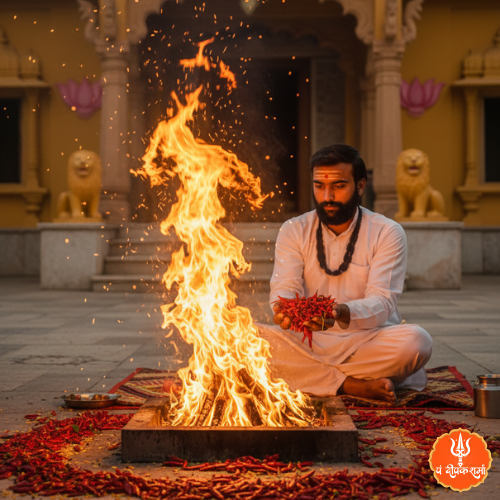
Baglamukhi Hawan Nalkheda is a sacred ritual dedicated to Devi Baglamukhi, one of the ten Mahavidyas in Hindu tradition. This hawan is performed to invoke the divine blessings of the goddess, who is revered for her power to remove obstacles and grant wisdom. The term ‘Hawan’ refers to the ceremonial fire ritual where offerings are made to the deities, symbolizing the purification of the mind and soul. In this hawan, specific offerings are made to appease Devi Baglamukhi, seeking her grace for various purposes such as enemy removal, career growth, and protection from adversities.
The essence of this ritual lies in its ability to connect the devotee with the divine. It is believed that through sincere devotion and the proper execution of the hawan, one can experience profound spiritual benefits. The flames of the hawan symbolize the burning away of negative energies and the emergence of positive vibrations, making it a powerful tool for spiritual upliftment.
In the context of Nalkheda, this hawan holds a special significance as it is performed in the presence of the revered deity at the Baglamukhi Temple. The temple itself is a sacred space where devotees gather to seek blessings, making the hawan even more potent when conducted in this divine atmosphere.
How This Ritual Helps
The Baglamukhi Hawan serves multiple purposes, each aligned with the devotee’s intentions. One of the primary reasons for performing this hawan is for enemy removal. Devi Baglamukhi is known as the goddess who can silence adversaries and protect her devotees from harm. By performing this hawan, devotees seek her intervention in overcoming challenges posed by enemies, whether they are personal or professional.
Moreover, the hawan is also beneficial for career growth. Many individuals perform the Baglamukhi Hawan to seek blessings for success in their professional endeavors. The goddess is believed to bestow wisdom and clarity, enabling devotees to make informed decisions that lead to career advancement. The hawan acts as a catalyst for positive changes, encouraging growth and prosperity.
Additionally, the spiritual vibrations generated during the hawan create an environment conducive to mental peace and clarity. This is particularly beneficial for students preparing for competitive exams, as the hawan helps enhance focus and cognitive abilities. The divine energy invoked during the ritual aids in overcoming obstacles and achieving desired outcomes.
Mythological Background
In Hindu mythology, Devi Baglamukhi is revered as a powerful goddess who embodies the essence of knowledge and wisdom. She is often depicted seated on a tiger, holding a club and a noose, symbolizing her ability to control and subdue negativity. The tales surrounding her power emphasize her role as a protector and a guide for her devotees.
One of the most famous legends associated with Devi Baglamukhi involves her intervention in a battle between the gods and demons. The demons, known for their cunning and deceit, were causing chaos in the universe. The gods, unable to defeat them, turned to Devi Baglamukhi for help. In response, she unleashed her divine power, silencing the demons and restoring balance. This mythological narrative underscores her ability to remove obstacles and protect her devotees from harm.
Furthermore, the worship of Devi Baglamukhi is believed to date back to ancient Vedic times, where she was invoked for wisdom and guidance. The rituals associated with her worship, including the Baglamukhi Hawan, have been passed down through generations, preserving the sanctity and significance of these practices. Each hawan performed is a tribute to her enduring legacy and a testament to the faith of her devotees.
Who Should Perform This
The Baglamukhi Hawan is suitable for anyone seeking divine intervention in their lives. Individuals facing challenges from enemies, whether in personal relationships or professional settings, can greatly benefit from this ritual. It is particularly recommended for those who feel overwhelmed by negativity or hostility and are in need of spiritual protection.
Moreover, students preparing for competitive exams or individuals looking to advance their careers are encouraged to perform this hawan. The blessings of Devi Baglamukhi can enhance focus, clarity, and decision-making abilities, making it a valuable ritual for those on the path to success.
Additionally, anyone seeking spiritual growth and a deeper connection with the divine can participate in the Baglamukhi Hawan. The ritual fosters a sense of peace and clarity, allowing devotees to reflect on their lives and seek guidance from the goddess. It is a powerful way to align oneself with divine energies and invite positive transformations.
Step-by-Step Vidhi (Very Detailed)
The Baglamukhi Hawan is a sacred ritual that requires careful preparation and execution. Here is a detailed step-by-step guide to performing this hawan:
Preparation
Before initiating the hawan, it is essential to prepare the space. Clean the area where the hawan will be conducted, ensuring it is free from any distractions. Set up an altar with an image or idol of Devi Baglamukhi, along with necessary items such as ghee, samagri (ritual ingredients), and a hawan kund (fire pit).
Gather all the required materials, including dried herbs, flowers, and other offerings that will be used during the hawan. It is advisable to wear clean and traditional attire to maintain the sanctity of the ritual. Devotees should also take a moment to meditate and set their intentions for the hawan, focusing on what they wish to achieve through this divine act.
Invocation
Once everything is prepared, begin the hawan by invoking the presence of Devi Baglamukhi. Light a lamp and offer flowers at her altar while chanting her name. This invocation sets the tone for the hawan, inviting the goddess to bless the proceedings. It is important to approach this step with a pure heart and sincere devotion.
After the invocation, recite the appropriate mantras that resonate with your intentions. For enemy removal, chant the mantra: ॐ ह्लीं बगलामुखि सर्व शत्रुस्तम्भनाय स्वाहा (Om Hleem Baglamukhi Sarva Shatrustambhanaya Swaha). This mantra is powerful in silencing adversaries and invoking the goddess’s protection.
Offering
As the hawan progresses, begin making offerings into the sacred fire. Use ghee and samagri, along with any other items that hold significance for you. Each offering should be accompanied by a prayer or intention, expressing your desires and seeking the blessings of Devi Baglamukhi.
Continue to chant the mantras while making offerings, allowing the vibrations of the sacred sounds to fill the space. The hawan should be conducted with utmost reverence, maintaining focus on the divine presence of the goddess. It is customary to conclude the hawan with a final offering, expressing gratitude for the blessings received.
Mantra for This Ritual
The mantra associated with the Baglamukhi Hawan is a powerful invocation that encapsulates the essence of the goddess’s energy. The mantra is:
ॐ ह्लीं बगलामुखि सर्व शत्रुस्तम्भनाय स्वाहा
Transliteration: Om Hleem Baglamukhi Sarva Shatrustambhanaya Swaha.
This mantra translates to a plea for the goddess to silence all enemies and protect the devotee from harm. The syllable ‘Hleem’ is considered a seed mantra (beeja mantra) that holds immense power. It is believed that chanting this mantra with devotion can invoke the goddess’s blessings, leading to the removal of obstacles and adversities.
When reciting this mantra, it is essential to focus on the intention behind the words. Visualize the goddess enveloping you in her protective energy, shielding you from negativity. The repetition of this mantra during the hawan amplifies its potency, creating a sacred atmosphere conducive to spiritual growth and protection.
Do’s & Don’ts
When performing the Baglamukhi Hawan, there are certain do’s and don’ts that devotees should keep in mind to ensure the ritual’s effectiveness:
Do’s
- Approach the hawan with a pure heart and sincere intentions.
- Maintain cleanliness in the space where the hawan is conducted.
- Use traditional offerings and materials as per Vedic guidelines.
- Recite the mantras with focus and devotion.
- Express gratitude at the end of the hawan.
Don’ts
- Avoid distractions during the ritual; maintain a focused mind.
- Do not use non-vegetarian items or alcohol during the hawan.
- Refrain from speaking negatively or harboring ill thoughts during the ritual.
- Do not rush through the offerings; take your time to connect with the divine.
When to Perform
The Baglamukhi Hawan can be performed at any auspicious time, but certain occasions are particularly favorable. Performing the hawan during the waxing phase of the moon (Shukla Paksha) is considered highly beneficial, as this phase symbolizes growth and positivity.
Additionally, specific festivals dedicated to Devi Baglamukhi, such as her Jayanti, are ideal times for conducting the hawan. These occasions amplify the spiritual energy surrounding the ritual, enhancing its effectiveness. Devotees can also choose to perform the hawan during personal milestones, such as starting a new job or facing challenges, to seek the goddess’s blessings.
Ultimately, the best time to perform the Baglamukhi Hawan is when the devotee feels a strong calling to connect with the goddess. Listening to one’s intuition and aligning with the divine energies is key to maximizing the benefits of this sacred ritual.
How Pandit Deepak Sharma can help
Pandit Deepak Sharma, an experienced Vedic practitioner, specializes in performing Baglamukhi pooja and hawan with authentic Vedic vidhi. His deep understanding of the rituals and their significance allows him to guide devotees through the process, ensuring that each hawan is conducted with utmost reverence and precision.
By seeking the assistance of Pandit Deepak Sharma, devotees can experience the full benefits of the Baglamukhi Hawan. He provides personalized guidance, helping individuals set their intentions and connect deeply with the divine energy of Devi Baglamukhi. His presence during the ritual enhances the spiritual atmosphere, making the experience more profound and transformative.
Moreover, Pandit Deepak Sharma’s commitment to preserving the authenticity of Vedic traditions ensures that each hawan is performed according to established customs. This adherence to tradition not only honors the goddess but also amplifies the blessings received by the devotees.
Nalkheda Temple Connection
The Nalkheda Temple, dedicated to Devi Baglamukhi, is a revered pilgrimage site for devotees seeking her blessings. The temple’s serene environment and sacred atmosphere make it an ideal location for performing the Baglamukhi Hawan. Many devotees travel to Nalkheda to engage in rituals and seek divine guidance, making it a hub of spiritual activity.
At the Nalkheda Temple, the presence of the goddess is felt strongly, and the energy of the place enhances the effectiveness of the hawan. The temple is known for its rich history and the numerous miracles attributed to the goddess, drawing pilgrims from far and wide. Engaging in the Baglamukhi Hawan at this sacred site allows devotees to immerse themselves in the divine energy and experience profound spiritual transformations.
Additionally, the temple offers a supportive community of fellow devotees, creating an environment of shared faith and devotion. Participating in the hawan within this community fosters a sense of belonging and strengthens the spiritual connection with Devi Baglamukhi.
FAQ
What is the significance of Baglamukhi Hawan?
The Baglamukhi Hawan is a powerful ritual that invokes the blessings of Devi Baglamukhi, known for her ability to remove obstacles and provide protection. This hawan is significant for those facing challenges from enemies or seeking success in their careers. The ritual is performed with specific mantras and offerings, creating a sacred atmosphere that enhances spiritual growth and well-being.
By participating in this hawan, devotees can experience a profound connection with the goddess, inviting her divine energy into their lives. The ritual serves as a means of purification, allowing individuals to release negativity and embrace positive transformations.
Can anyone perform the Baglamukhi Hawan?
Yes, anyone can perform the Baglamukhi Hawan, regardless of their background or experience. The ritual is open to all who seek the blessings of Devi Baglamukhi. It is particularly beneficial for individuals facing adversities, students preparing for exams, and those looking for career growth. The key is to approach the hawan with sincerity and devotion, setting clear intentions for what one wishes to achieve.
Even those new to Vedic rituals can participate, as the guidance of an experienced pandit can enhance the experience and ensure that the hawan is conducted according to tradition. This inclusivity makes the Baglamukhi Hawan a powerful tool for spiritual connection and growth.
What materials are needed for the hawan?
The materials required for the Baglamukhi Hawan include ghee, samagri (ritual ingredients), flowers, and a hawan kund (fire pit). These items are essential for making offerings during the ritual. It is advisable to use traditional materials that align with Vedic practices to maintain the sanctity of the hawan.
Additionally, having an image or idol of Devi Baglamukhi at the altar enhances the connection with the goddess. Devotees may also choose to include personal offerings that hold significance for them, further deepening their spiritual experience during the hawan.
How long does the Baglamukhi Hawan take?
The duration of the Baglamukhi Hawan can vary depending on the specific rituals performed and the number of offerings made. Typically, the hawan lasts between one to two hours. This timeframe allows for proper invocation, offerings, and chanting of mantras, creating a meaningful and immersive experience for the devotee.
It is important to approach the hawan with patience and dedication, allowing the ritual to unfold naturally. Rushing through the process may diminish the spiritual benefits, so taking the time to connect with the divine is essential.
Is it necessary to have a pandit perform the hawan?
While it is not mandatory to have a pandit perform the Baglamukhi Hawan, seeking the guidance of an experienced pandit can greatly enhance the ritual’s effectiveness. A knowledgeable pandit understands the intricacies of the rituals and can ensure that the hawan is conducted according to Vedic traditions.
Having a pandit present also provides support and guidance, especially for those unfamiliar with the rituals. Their expertise can help devotees connect more deeply with the divine energy, making the experience more profound and transformative.
What should I do after the hawan?
After completing the Baglamukhi Hawan, it is customary to express gratitude to Devi Baglamukhi for her blessings. This can be done through prayers or offerings. Many devotees also choose to distribute prasad (blessed food) among family and friends, sharing the divine energy received during the hawan.
Additionally, taking a moment for reflection and meditation after the hawan can help integrate the spiritual experiences and insights gained during the ritual. This practice fosters a deeper connection with the goddess and allows the devotee to carry the blessings into their daily life.
Recommended Reading / Further Exploration
- Mirchi Havan: Beginner to Pro in One Detailed Guide
- Common Mistakes in Baglamukhi Anushthan Benefits and How to Fix Them
- Enemy Removal Havan: Beginner to Pro in One Detailed Guide
- Common Mistakes in Step-by-Step Baglamukhi Havan Procedure and How to Fix Them
- Baglamukhi Anushthan Ujjain: Step-by-Step Explanation