Meaning of This Ritual
The baglamukhi rituals hold a sacred significance in the realm of Vedic practices, particularly for devotees seeking the blessings of Devi Baglamukhi, one of the revered Mahavidyas. This ritual is not merely a ceremonial act; it is a profound spiritual engagement that connects the devotee with divine energies. The essence of Baglamukhi lies in her ability to bestow wisdom, strength, and protection against adversities. Through the performance of Baglamukhi Havan, devotees seek to invoke the goddess’s blessings for various aspects of life, including overcoming obstacles and achieving victory in challenging situations.
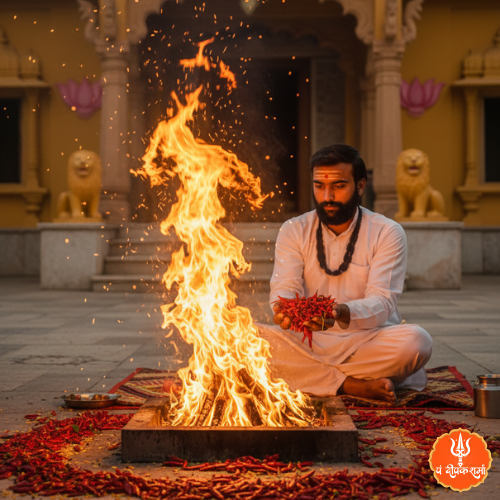
In the context of the Chaitra Navratri, the Baglamukhi Havan becomes even more significant. It is a time when devotees gather to perform rituals that honor the divine feminine energy. The havan serves as a medium to purify the environment and the mind, creating a sacred space for spiritual growth. The flames of the havan symbolize the burning away of negativity and the emergence of positive energies, making it an essential practice during this auspicious period.
Thus, the Baglamukhi rituals encapsulate the essence of devotion, surrender, and the pursuit of spiritual enlightenment. They act as a bridge between the devotee and the divine, allowing for a deeper understanding of life’s challenges and the strength to overcome them.
How This Ritual Helps
The Baglamukhi Havan is a powerful spiritual practice that offers numerous benefits to the devotees. Primarily, it serves as a means of protection against enemies and negative influences. By invoking the blessings of Baglamukhi, devotees seek to create a shield around themselves, safeguarding their personal and professional lives from harm. This is particularly beneficial for individuals facing legal challenges or conflicts, as the ritual aims to bring clarity and resolution to such situations.
Moreover, the ritual is known to enhance one’s mental clarity and focus. As devotees engage in the havan, they experience a sense of calm and peace, which allows them to think more clearly and make better decisions. This clarity is essential not only in personal matters but also in professional endeavors, where strategic thinking and foresight are crucial for success.
Additionally, the Baglamukhi Havan is believed to foster spiritual growth and self-awareness. The process of performing the ritual encourages introspection and reflection, enabling devotees to connect with their inner selves. This connection is vital for personal development and can lead to a more fulfilling and purposeful life.
Mythological Background
The mythology surrounding Devi Baglamukhi is rich and deeply rooted in Hindu tradition. She is often depicted as a powerful goddess who embodies the essence of knowledge and wisdom. According to ancient texts, Baglamukhi is considered the protector of the Vedas and is revered for her ability to control speech and communication. This aspect makes her particularly significant for those seeking victory in legal matters or disputes.
One of the most famous legends associated with Baglamukhi tells of a fierce battle between the gods and demons. During this conflict, the gods sought the help of Baglamukhi to defeat their adversaries. With her divine powers, she was able to immobilize the demons, rendering them powerless. This act of valor not only established her as a formidable force but also highlighted her role as a protector of righteousness.
Furthermore, Baglamukhi is often associated with the concept of ‘Shakti,’ the divine feminine energy that drives creation and transformation. Her worship is believed to empower devotees, granting them the strength to face challenges and emerge victorious. This mythology serves as a source of inspiration for many, encouraging them to seek her blessings through rituals and prayers.
Who Should Perform This
The Baglamukhi Havan is suitable for anyone seeking divine intervention in their lives, particularly those facing challenges related to enemies, legal disputes, or obstacles in their personal or professional journeys. Individuals who are experiencing difficulties in their careers, such as job losses or stagnation, can greatly benefit from this ritual. It is also recommended for students preparing for competitive exams, as the blessings of Baglamukhi can enhance focus and intelligence.
Moreover, those who feel overwhelmed by negative energies or are under the influence of harmful individuals can find solace in the Baglamukhi rituals. The havan acts as a protective shield, helping to dispel negativity and create a harmonious environment. It is also beneficial for individuals seeking clarity in communication, as Baglamukhi is known to enhance one’s ability to articulate thoughts and ideas effectively.
In essence, anyone who seeks empowerment, protection, and spiritual growth can participate in the Baglamukhi Havan. The ritual is inclusive and open to all, regardless of their background or beliefs, as long as they approach it with sincerity and devotion.
Step-by-Step Vidhi (Very Detailed)
The performance of the Baglamukhi Havan involves a series of meticulously followed steps, each holding its own significance. The first step is to prepare the sacred space where the havan will take place. This involves cleaning the area and setting up an altar with images or idols of Devi Baglamukhi. The altar should be adorned with flowers, fruits, and other offerings that symbolize devotion and respect.
Next, the devotee should gather the necessary materials for the havan, including ghee, samagri (a mixture of sacred herbs and substances), and wooden sticks for the fire. It is essential to use pure and natural materials to ensure the sanctity of the ritual. Once everything is in place, the devotee should sit in a calm and focused manner, reciting prayers to invoke the presence of Devi Baglamukhi.
As the havan begins, the devotee should light the fire with the intention of purifying the space and inviting divine energies. The chanting of specific mantras dedicated to Baglamukhi is crucial during this phase. Each mantra should be recited with devotion and concentration, as it is believed that the vibrations created by the sound resonate with the goddess. Offerings of ghee and samagri are made into the fire while continuing to chant the mantras, symbolizing the surrender of one’s desires and the seeking of blessings.
Throughout the ritual, it is important to maintain a focused mind and an open heart. The devotee should visualize their intentions and desires being fulfilled as they perform the havan. After completing the offerings, the ritual concludes with a prayer of gratitude, thanking Devi Baglamukhi for her blessings and protection.
Mantra for This Ritual
The mantra associated with the Baglamukhi Havan is:
ॐ ह्लीं बगलामुखि सर्वविघ्न नाशाय ह्लीं
Transliteration: Om Hleem Baglamukhi Sarva Vighna Nashaya Hleem
This powerful mantra is a call to Devi Baglamukhi to remove all obstacles and difficulties from the devotee’s path. The syllable ‘Hleem’ is a bija mantra, representing the essence of the goddess’s energy. When repeated with devotion, it is believed to create a protective aura around the devotee, shielding them from negative influences.
The significance of this mantra lies in its ability to invoke the goddess’s blessings for success and victory. It is particularly effective for those facing legal challenges or conflicts, as it helps to clear the path for justice and resolution. By chanting this mantra during the havan, devotees align themselves with the divine energy of Baglamukhi, enhancing their chances of overcoming obstacles and achieving their goals.
In addition to its protective qualities, the mantra also serves as a reminder of the power of faith and devotion. It encourages devotees to trust in the divine process and to surrender their worries to the goddess, knowing that she will guide them towards the right path.
Do’s & Don’ts
When performing the Baglamukhi Havan, there are several important do’s and don’ts to keep in mind to ensure the ritual’s effectiveness. Firstly, it is essential to approach the ritual with a pure heart and sincere intentions. Devotees should take the time to cleanse themselves physically and mentally before engaging in the havan. This includes bathing and wearing clean, traditional attire as a sign of respect for the divine.
During the ritual, it is crucial to maintain focus and avoid distractions. Devotees should refrain from engaging in conversations or activities that may disrupt the sanctity of the havan. It is also advisable to perform the ritual in a quiet and peaceful environment, free from disturbances. Offering fresh flowers and fruits is encouraged, as these symbolize purity and devotion. Additionally, devotees should ensure that the materials used for the havan are of high quality and free from impurities.
On the other hand, there are certain practices to avoid during the ritual. It is important not to rush through the process or treat it as a mere formality. Each step should be performed with mindfulness and reverence. Furthermore, devotees should avoid consuming alcohol or non-vegetarian food before or during the ritual, as this can hinder the spiritual connection with the goddess. Lastly, it is essential to refrain from harboring negative thoughts or intentions, as these can counteract the positive energies invoked during the havan.
When to Perform
The Baglamukhi Havan can be performed at any time, but certain occasions are particularly auspicious. The most significant time to perform this ritual is during the Chaitra Navratri, a period dedicated to the worship of the divine feminine. This festival typically falls in the months of March or April, depending on the lunar calendar. During this time, the energies are heightened, making it an ideal period for spiritual practices and rituals.
Additionally, the havan can be performed on specific days that are considered favorable according to the Hindu calendar, such as Tuesdays and Fridays, which are dedicated to the worship of various deities. It is also recommended to perform the ritual during the waxing phase of the moon, as this is believed to enhance the effectiveness of the prayers and offerings.
Ultimately, the best time to perform the Baglamukhi Havan is when the devotee feels a strong calling or need for divine intervention. Whether facing challenges in personal life, career, or health, the havan serves as a powerful tool for seeking blessings and guidance from the goddess.
How Pandit Deepak Sharma can help
Pandit Deepak Sharma, with his extensive experience in performing Baglamukhi rituals, offers invaluable guidance and support to devotees seeking to engage in the Baglamukhi Havan. His deep understanding of Vedic traditions and rituals ensures that each ceremony is conducted with authenticity and devotion. By entrusting the performance of the havan to Pandit Deepak Sharma, devotees can rest assured that they are receiving the highest level of spiritual service.
Moreover, Pandit Deepak Sharma provides personalized consultations to understand the unique needs and challenges faced by each devotee. This tailored approach allows him to recommend specific rituals and mantras that align with the devotee’s intentions, enhancing the effectiveness of the prayers. His compassionate demeanor and profound knowledge create a nurturing environment for spiritual growth and healing.
In addition, Pandit Deepak Sharma’s connection to the Nalkheda Baglamukhi Temple adds a layer of authenticity to the rituals. The temple itself is a sacred space where the energies of Devi Baglamukhi are believed to be particularly potent. By performing the havan in this divine setting, devotees can experience a deeper connection with the goddess and her blessings.
Nalkheda Temple Connection
The Nalkheda Temple, dedicated to Devi Baglamukhi, is a revered pilgrimage site located in the Agar Malwa district of Madhya Pradesh. This temple holds immense significance for devotees, as it is believed to be a place where the goddess’s divine presence is strongly felt. The temple attracts pilgrims from all over the country, especially during auspicious occasions like Navratri.
Visiting the Nalkheda Temple offers devotees an opportunity to immerse themselves in the spiritual ambiance and partake in various rituals and ceremonies. The temple’s architecture and serene surroundings create a conducive environment for meditation and prayer. Devotees often express a sense of peace and fulfillment after visiting the temple, as they feel the blessings of Baglamukhi enveloping them.
Pandit Deepak Sharma plays a crucial role in facilitating the connection between devotees and the divine energies present at the Nalkheda Temple. His guidance during temple visits and rituals helps devotees navigate their spiritual journeys with clarity and purpose. Engaging in the Baglamukhi Havan at the temple amplifies the blessings received, making it a transformative experience for many.
FAQ
What is the significance of Baglamukhi Havan?
The Baglamukhi Havan holds immense significance as it is a ritual dedicated to invoking the blessings of Devi Baglamukhi. This ritual is particularly beneficial for those facing challenges from enemies, legal disputes, or obstacles in their personal or professional lives. By performing the havan, devotees seek protection, clarity, and victory in their endeavors. The ritual serves as a means of purifying the environment and the mind, creating a sacred space for spiritual growth.
Additionally, the havan is believed to enhance mental clarity and focus, allowing devotees to make better decisions and navigate challenges effectively. It fosters a deep connection with the divine, encouraging introspection and self-awareness. Overall, the Baglamukhi Havan is a powerful spiritual practice that empowers devotees to overcome adversities and achieve their goals.
Can anyone perform the Baglamukhi Havan?
Yes, the Baglamukhi Havan is open to all devotees seeking divine intervention in their lives. It is particularly recommended for individuals facing challenges related to enemies, legal disputes, or obstacles in their careers. However, anyone who desires protection, empowerment, and spiritual growth can participate in the ritual. The key is to approach the havan with sincerity and devotion, as this enhances the effectiveness of the prayers and offerings.
Moreover, the havan can be performed individually or in groups, making it a versatile practice suitable for various situations. Whether one is seeking personal transformation or collective blessings, the Baglamukhi Havan serves as a powerful tool for invoking the goddess’s grace.
What materials are needed for the Baglamukhi Havan?
To perform the Baglamukhi Havan, several materials are required to ensure the ritual’s authenticity and effectiveness. These materials include ghee, samagri (a mixture of sacred herbs and substances), and wooden sticks for the fire. It is essential to use pure and natural materials to maintain the sanctity of the ritual. Fresh flowers and fruits are also recommended as offerings, symbolizing devotion and respect for the goddess.
Additionally, devotees may choose to have a picture or idol of Devi Baglamukhi on the altar, along with incense sticks and a bell to enhance the spiritual ambiance. Having these materials prepared in advance allows for a smooth and focused execution of the havan, enabling devotees to fully immerse themselves in the ritual.
How long does the Baglamukhi Havan take?
The duration of the Baglamukhi Havan can vary depending on the specific rituals and offerings included. Generally, the havan can take anywhere from one to two hours to complete. This timeframe allows for the preparation of the sacred space, the gathering of materials, and the performance of the ritual itself, including the chanting of mantras and making of offerings.
It is important for devotees to approach the havan with patience and mindfulness, as rushing through the process can diminish its effectiveness. Taking the time to engage fully in the ritual enhances the spiritual experience and allows for a deeper connection with Devi Baglamukhi.
Is it necessary to have a priest for the Baglamukhi Havan?
While it is not mandatory to have a priest for the Baglamukhi Havan, having an experienced pandit like Pandit Deepak Sharma can greatly enhance the ritual’s effectiveness. A priest brings knowledge of the proper procedures, mantras, and offerings, ensuring that the ritual is performed according to Vedic traditions. This guidance can be particularly beneficial for those unfamiliar with the rituals or seeking to deepen their spiritual practice.
Moreover, a priest can provide personalized insights and recommendations based on the devotee’s unique circumstances, making the ritual more meaningful and impactful. Therefore, while individuals can perform the havan on their own, the presence of a knowledgeable priest can significantly enrich the experience.
What should I do after the Baglamukhi Havan?
After completing the Baglamukhi Havan, it is important to express gratitude to Devi Baglamukhi for her blessings and protection. Devotees should take a moment to reflect on their intentions and visualize the fulfillment of their desires. Offering a prayer of thanks is a meaningful way to conclude the ritual, reinforcing the connection with the goddess.
Additionally, devotees may choose to distribute the prasad (blessed offerings) among family and friends, sharing the divine blessings received during the havan. This act of sharing fosters a sense of community and reinforces the spiritual bonds among loved ones. Finally, maintaining a positive mindset and continuing to engage in spiritual practices can help sustain the energies invoked during the havan, allowing for ongoing growth and transformation.