Meaning of This Ritual
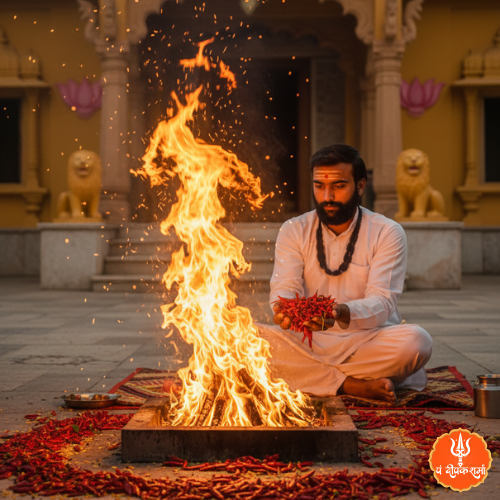
The Chaitra Navratri baglamukhi Havan is a sacred ritual dedicated to Devi Baglamukhi, one of the ten Mahavidyas in Hinduism. This havan is performed during the auspicious days of Navratri, a time when devotees seek the blessings of the divine feminine. The ritual involves invoking the energies of Baglamukhi Mata to remove obstacles, defeat enemies, and attain victory in various aspects of life. The essence of this havan lies in its ability to purify the environment and the devotee’s mind, creating a conducive atmosphere for spiritual growth and success.
Baglamukhi is revered as the goddess of speech and power, and her havan is particularly significant for those facing legal challenges or conflicts. By performing this ritual, devotees aim to harness her divine energy to overcome difficulties and achieve their goals. The havan is not merely a ceremonial act; it is a profound spiritual practice that connects the devotee with the divine, fostering a sense of peace and empowerment.
Understanding the meaning behind this ritual is crucial for its successful execution. Each element of the havan, from the offerings made to the mantras chanted, plays a vital role in invoking the goddess’s blessings. Therefore, it is essential to approach this ritual with reverence and a clear intention, ensuring that the energy is directed towards positive outcomes.
How This Ritual Helps
The Chaitra Navratri Baglamukhi Havan serves multiple purposes, primarily focusing on the removal of obstacles and the attainment of success. For individuals facing legal issues, this ritual is particularly beneficial as it invokes the protective energies of Baglamukhi Mata, helping to secure favorable outcomes in court cases. The havan acts as a shield against negative influences and empowers the devotee to stand firm against adversities.
Moreover, this ritual is known to enhance communication skills and clarity of thought. By invoking Baglamukhi’s blessings, devotees often find themselves better equipped to articulate their thoughts and intentions, which is crucial in legal matters and negotiations. The spiritual energy generated during the havan aids in boosting confidence and assertiveness, allowing individuals to confront challenges with a renewed sense of strength.
Additionally, the havan promotes overall well-being and prosperity. As the flames of the havan consume the offerings, they symbolize the destruction of negativity and the manifestation of positive energies. This transformation not only benefits the individual but also extends to their family and community, creating a ripple effect of positivity and success.
Mythological Background
The origins of Baglamukhi Mata can be traced back to ancient Hindu scriptures, where she is depicted as a powerful goddess who embodies the essence of knowledge and strength. According to mythology, she is one of the ten Mahavidyas, each representing different aspects of the divine feminine. Baglamukhi is particularly revered for her ability to control speech and silence adversaries, making her a formidable force in the spiritual realm.
One of the most significant tales associated with Baglamukhi involves her intervention in a battle between the gods and demons. The demons, empowered by their arrogance, threatened the balance of the universe. In response, the gods invoked Baglamukhi, who manifested as a fierce warrior, wielding her power to silence the demons and restore harmony. This story illustrates her role as a protector and a force against injustice, making her worship essential for those seeking victory over adversaries.
Furthermore, Baglamukhi is often depicted with a tongue tied, symbolizing her ability to control speech and prevent harmful words from being spoken. This aspect of her mythology emphasizes the importance of using words wisely and the power of silence in overcoming challenges. Devotees believe that by performing the Chaitra Navratri Baglamukhi Havan, they can tap into this divine energy, gaining the strength to navigate through life’s difficulties with grace and wisdom.
Who Should Perform This
The Chaitra Navratri Baglamukhi Havan is suitable for anyone facing challenges, particularly those involved in legal disputes, business conflicts, or personal rivalries. Individuals who feel overwhelmed by negativity or obstacles in their lives can greatly benefit from this ritual. It is especially recommended for those who seek to enhance their communication skills or assertiveness in various situations.
Moreover, this havan is ideal for professionals in high-stakes environments, such as lawyers, negotiators, and business leaders, who require clarity of thought and decisive action. By invoking the blessings of Baglamukhi Mata, they can gain an edge in their respective fields, ensuring that they navigate challenges effectively.
Families facing discord or misunderstandings may also find solace in this ritual. The energy generated during the havan can help heal relationships and foster a sense of unity and understanding among family members. Ultimately, anyone seeking empowerment, protection, and success can participate in the Chaitra Navratri Baglamukhi Havan, making it a versatile and inclusive spiritual practice.
Step-by-Step Vidhi (Very Detailed)
Performing the Chaitra Navratri Baglamukhi Havan requires careful adherence to Vedic rituals to ensure its efficacy. The following steps outline the detailed vidhi for this sacred ceremony:
Preparation
Begin by selecting an auspicious date during Chaitra Navratri, preferably on the first day of the festival. Cleanse the space where the havan will take place, ensuring it is free from any impurities. Set up a sacred altar with images or idols of Baglamukhi Mata, along with necessary items such as ghee, grains, flowers, and incense. It is essential to create a serene atmosphere, conducive to spiritual practice.
Gathering Materials
Collect all the materials required for the havan. This includes a havan kund (fire pit), samagri (offerings), and the specific items needed for the ritual, such as ghee, rice, and herbs. Each item holds significance and should be chosen with care, reflecting the devotee’s intentions. Ensure that the havan kund is made of clay or metal, as these materials are considered auspicious.
Invocation of Deities
Once the preparations are complete, begin the ritual by invoking the presence of Baglamukhi Mata. Light the incense and offer flowers at her feet, reciting appropriate mantras to invite her energy into the space. It is crucial to approach this step with a pure heart and focused mind, as the intention behind the invocation plays a significant role in the ritual’s success.
Performing the Havan
With the havan kund ready, light the fire using dry wood and ghee. As the flames rise, begin offering the samagri into the fire while chanting the Baglamukhi mantra. The mantra should be recited with devotion and concentration, allowing the energy to flow into the havan. Each offering symbolizes the release of negativity and the invocation of blessings, so it is essential to maintain a steady rhythm and focus during this process.
Concluding the Ritual
After completing the offerings, conclude the havan by expressing gratitude to Baglamukhi Mata. Offer a final prayer, seeking her blessings for success and protection. Allow the fire to burn down completely, and once it has cooled, collect the ashes and remnants. These can be disposed of respectfully, often by immersing them in a river or burying them in the earth, symbolizing the return of energy to nature.
Mantra for This Ritual
The mantra associated with the Chaitra Navratri Baglamukhi Havan is:
ॐ ह्लीं बगलामुखि सर्वविघ्न नाशाय ह्लीं
Transliteration: Om Hleem Baglamukhi Sarva Vighna Nashaya Hleem
This powerful mantra is dedicated to Baglamukhi Mata, invoking her energy to remove all obstacles and difficulties. The syllable ‘Hleem’ is considered a seed mantra, representing the essence of Baglamukhi’s power. When chanted with devotion, it creates a protective shield around the devotee, ensuring that they are safeguarded from negativity and harm.
The significance of this mantra lies in its ability to transform the devotee’s circumstances. By reciting it during the havan, individuals align themselves with the divine energies of Baglamukhi, allowing her blessings to flow into their lives. The repetition of the mantra not only enhances focus but also deepens the connection with the goddess, fostering a sense of empowerment and clarity.
Do’s & Don’ts
To ensure the success of the Chaitra Navratri Baglamukhi Havan, it is essential to follow certain do’s and don’ts:
Do’s
- Perform the havan with a pure heart and clear intentions.
- Gather all materials in advance to avoid interruptions during the ritual.
- Maintain a calm and focused atmosphere, free from distractions.
- Recite the mantras with devotion and sincerity.
- Express gratitude to Baglamukhi Mata after the ritual.
Don’ts
- Avoid performing the havan in a cluttered or impure environment.
- Do not rush through the rituals; take your time to connect with the divine.
- Refrain from using impure or inappropriate offerings.
- Do not engage in negative thoughts or actions during the ritual.
- Do not neglect the importance of mental preparation before the havan.
When to Perform
The ideal time to perform the Chaitra Navratri Baglamukhi Havan is during the nine days of Navratri, particularly on the first day or on Ashtami, which is considered highly auspicious. This period is marked by heightened spiritual energies, making it an opportune time for invoking the blessings of Baglamukhi Mata. Each day of Navratri is dedicated to different forms of the goddess, and performing the havan during these days enhances its significance.
Additionally, devotees may choose to perform the havan on specific days that hold personal significance, such as during times of legal challenges or when facing obstacles in their lives. The energy generated during the havan can be particularly potent when aligned with the devotee’s intentions and circumstances.
Ultimately, the timing of the ritual should resonate with the devotee’s spiritual journey, ensuring that it is performed with sincerity and devotion. By aligning the havan with auspicious timings, devotees can maximize the benefits and blessings received from Baglamukhi Mata.
How Pandit Deepak Sharma can help
Pandit Deepak Sharma, an experienced Vedic practitioner, offers his expertise in performing the Chaitra Navratri Baglamukhi Havan with utmost devotion and adherence to traditional rituals. With over 25 years of experience, he understands the intricacies of Vedic practices and ensures that each ritual is conducted with precision and reverence.
By seeking guidance from Pandit Deepak Sharma, devotees can ensure that their havan is performed in accordance with authentic Vedic traditions, maximizing the spiritual benefits. He provides personalized support, helping individuals understand the significance of each step in the ritual, thereby enhancing their connection with Baglamukhi Mata.
Furthermore, Pandit Deepak Sharma offers insights into the best timings and preparations for the havan, ensuring that devotees are well-equipped to engage in this sacred practice. His compassionate approach and deep understanding of spiritual principles make him a trusted guide for anyone seeking to perform the Chaitra Navratri Baglamukhi Havan.
Nalkheda Temple Connection
The Nalkheda Temple, dedicated to Devi Baglamukhi, is a revered pilgrimage site for devotees seeking her blessings. Located in the Agar Malwa district of Madhya Pradesh, this temple holds immense spiritual significance and attracts pilgrims from far and wide. The temple’s serene environment and divine ambiance create an ideal setting for performing the Chaitra Navratri Baglamukhi Havan.
Visiting the Nalkheda Temple during Navratri enhances the spiritual experience, as devotees can participate in various rituals and ceremonies conducted by Pandit Deepak Sharma. The temple serves as a focal point for worship, allowing individuals to connect deeply with Baglamukhi Mata and seek her blessings for success and protection.
Moreover, the temple is known for its vibrant celebrations during Navratri, where devotees engage in collective prayers and rituals, fostering a sense of community and devotion. By performing the havan at this sacred site, individuals can amplify their spiritual energies, making their prayers more potent and impactful.
FAQ
What is the significance of the Chaitra Navratri Baglamukhi Havan?
The Chaitra Navratri Baglamukhi Havan holds immense significance as it is dedicated to the goddess who embodies knowledge and power. This ritual is performed to seek her blessings for overcoming obstacles and achieving success in various aspects of life. The havan is particularly beneficial for those facing legal challenges, as it invokes the protective energies of Baglamukhi Mata, ensuring favorable outcomes in court cases.
Additionally, the ritual enhances communication skills and clarity of thought, empowering individuals to articulate their intentions effectively. By performing this havan, devotees not only seek personal success but also contribute to the overall well-being of their families and communities.
How can one prepare for the Chaitra Navratri Baglamukhi Havan?
Preparation for the Chaitra Navratri Baglamukhi Havan involves several key steps. First, it is essential to select an auspicious date during Navratri, preferably on the first day or Ashtami. Next, cleanse the space where the havan will take place, ensuring it is free from impurities. Gather all necessary materials, including the havan kund, samagri, and offerings, to avoid interruptions during the ritual.
Mental preparation is equally important. Devotees should approach the ritual with a pure heart and clear intentions, focusing on the blessings they seek from Baglamukhi Mata. Engaging in meditation or prayer prior to the havan can help align the mind and spirit, creating a conducive atmosphere for the ritual.
Can anyone perform the Chaitra Navratri Baglamukhi Havan?
Yes, the Chaitra Navratri Baglamukhi Havan is accessible to anyone seeking the blessings of Baglamukhi Mata. It is particularly beneficial for individuals facing challenges in their lives, such as legal disputes, business conflicts, or personal rivalries. The ritual is also suitable for professionals who require clarity of thought and assertiveness in their respective fields.
Families experiencing discord may also find solace in this ritual, as it promotes healing and unity. Ultimately, anyone seeking empowerment, protection, and success can participate in the Chaitra Navratri Baglamukhi Havan, making it a versatile spiritual practice.
What materials are needed for the havan?
To perform the Chaitra Navratri Baglamukhi Havan, several materials are required. These include a havan kund (fire pit), samagri (offerings), ghee, rice, and herbs. Each item holds significance and should be chosen with care, reflecting the devotee’s intentions. The havan kund should ideally be made of clay or metal, as these materials are considered auspicious.
Additionally, flowers, incense, and other offerings may be included to enhance the ritual’s sanctity. It is essential to gather all materials in advance to ensure a smooth and uninterrupted flow during the havan.
How does Pandit Deepak Sharma assist in the havan?
Pandit Deepak Sharma offers his expertise in performing the Chaitra Navratri Baglamukhi Havan, ensuring that it is conducted with utmost devotion and adherence to traditional rituals. With over 25 years of experience, he guides devotees through each step of the ritual, providing personalized support and insights into its significance.
By seeking guidance from Pandit Deepak Sharma, individuals can ensure that their havan is performed in alignment with authentic Vedic traditions, maximizing the spiritual benefits. His compassionate approach and deep understanding of spiritual principles make him a trusted guide for anyone seeking to perform this sacred ritual.