Meaning of This Ritual
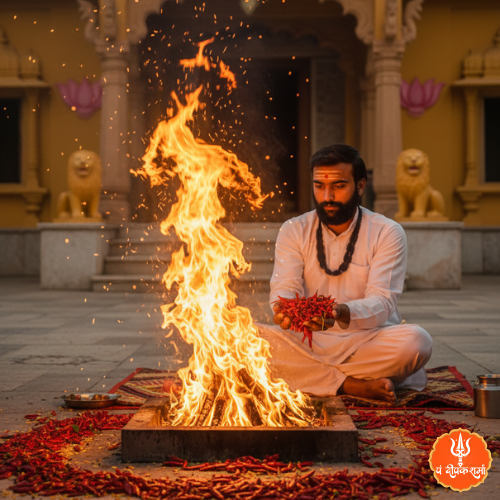
The Competition Exam Havan is a sacred ritual performed to invoke the blessings of Devi baglamukhi, one of the ten Mahavidyas, who is revered for her wisdom and knowledge. This havan is specifically designed to enhance the intellect and focus of individuals preparing for competitive examinations. The essence of this ritual lies in its ability to clear mental blocks and provide clarity, thus aiding devotees in their pursuit of success in exams.
In the context of Vedic traditions, havans are considered powerful spiritual practices that purify the environment and invoke divine energies. By performing the Competition Exam Havan, devotees create a conducive atmosphere for learning and concentration. The offerings made during the havan, including specific herbs and grains, are believed to attract positive energies and dispel negativity, thus fostering an environment of success.
Moreover, the ritual emphasizes the importance of devotion and faith. It is not merely a mechanical process but a heartfelt prayer to Devi Baglamukhi, seeking her guidance and blessings. The devotee’s sincere intentions and dedication play a crucial role in the effectiveness of the ritual, making it a deeply personal and transformative experience.
How This Ritual Helps
The Competition Exam Havan serves multiple purposes for those preparing for exams. Firstly, it enhances mental clarity and focus, which are essential for effective studying and retention of information. By invoking the blessings of Devi Baglamukhi, devotees often find themselves more capable of understanding complex concepts and retaining knowledge.
Secondly, this havan helps in removing obstacles that may hinder one’s academic performance. Many students face various challenges, such as anxiety, lack of confidence, and distractions. The divine energies invoked during the havan are believed to alleviate these issues, providing a sense of calm and assurance to the devotee.
Lastly, the ritual fosters a positive mindset. The affirmations and mantras recited during the havan instill a sense of confidence and determination in the devotee. This psychological boost can be crucial during competitive exams, where mental strength often plays a significant role in performance.
Mythological Background
Devi Baglamukhi is a powerful goddess in Hindu mythology, known for her ability to control and subdue enemies. She is often depicted as a serene figure, embodying wisdom and strength. The mythology surrounding her emphasizes her role as a protector of knowledge and a guide for those seeking success in their endeavors.
According to ancient texts, Baglamukhi is considered the goddess of speech and communication. This aspect is particularly relevant for students, as effective communication is vital in examinations. The stories of her victories over ignorance and obstacles serve as inspiration for devotees, encouraging them to seek her blessings in their academic pursuits.
Furthermore, the havan itself is rooted in the Vedic tradition, which emphasizes the importance of rituals in connecting with the divine. The fire, or agni, used in the havan symbolizes purification and transformation, allowing devotees to transcend their limitations and connect with higher knowledge. This connection is believed to be strengthened through the performance of the Competition Exam Havan.
Who Should Perform This
The Competition Exam Havan is particularly beneficial for students preparing for competitive exams, including entrance tests for higher education, government jobs, and professional courses. Anyone facing challenges in their academic journey can participate in this ritual to seek divine assistance.
Moreover, individuals who feel overwhelmed by the pressure of exams or those who have experienced repeated failures may find solace in this havan. It is a way to reset one’s mindset and approach challenges with renewed vigor and confidence. Parents of students can also perform this ritual on behalf of their children, invoking blessings for their success and well-being.
Additionally, educators and mentors who guide students can benefit from this ritual, as it enhances their ability to impart knowledge effectively. By participating in the Competition Exam Havan, they can align their energies with the divine, fostering a supportive environment for their students.
Step-by-Step Vidhi (Very Detailed)
The Competition Exam Havan is performed with great reverence and adherence to Vedic traditions. The following steps outline the detailed procedure:
Preparation
Before the havan, it is essential to create a clean and sacred space. This involves purifying the area with water and placing a sacred cloth on the ground. The havan kund (fire pit) should be set up in the center, surrounded by offerings such as grains, ghee, and specific herbs like sandalwood and camphor.
Devotees should gather all necessary materials, including the havan samagri (ritual items), which typically includes rice, ghee, and specific herbs associated with Baglamukhi. It is also important to have a picture or idol of Devi Baglamukhi present during the ritual to focus the energy of devotion.
Invocation of Deities
Once the setup is complete, the ritual begins with the invocation of Lord Ganesha, the remover of obstacles. This is done by chanting specific mantras dedicated to Ganesha, seeking his blessings for a successful ritual. Following this, the devotee should invoke Devi Baglamukhi by reciting her mantras, expressing gratitude and devotion.
It is essential to maintain a focused and calm mindset during this phase, as the energy generated through sincere prayers is believed to attract the divine presence. Lighting the havan fire is a significant moment, symbolizing the beginning of the ritual.
Offering and Recitation
As the fire burns, devotees should begin offering the havan samagri into the flames while reciting the specific mantras associated with the Competition Exam Havan. The mantra to be chanted is:
ॐ ह्लीं बगलामुखि बुद्धि-विजयाय स्वाहा
Transliteration: Om Hleem Baglamukhi Buddhi-Vijayaya Swaha
Meaning: “Om, I offer this to Baglamukhi, the goddess of wisdom, for victory in intellect.”
This mantra is recited multiple times, with each offering symbolizing a prayer for clarity and success in examinations. The devotee should maintain focus on their intentions, visualizing their desired outcomes as they perform the ritual.
Concluding the Ritual
After completing the offerings, the devotee should conclude the ritual by expressing gratitude to Devi Baglamukhi. This can be done through a prayer or a simple acknowledgment of her presence and blessings. It is customary to perform aarti (a light offering) to the goddess, symbolizing the illumination of knowledge and wisdom.
Finally, the remnants of the havan, known as prasad, should be collected and distributed among family members or friends. Consuming this prasad is believed to carry the blessings of Devi Baglamukhi, further enhancing the devotee’s journey towards success.
Mantra for This Ritual
The mantra specifically associated with the Competition Exam Havan is:
ॐ ह्लीं बगलामुखि बुद्धि-विजयाय स्वाहा
Transliteration: Om Hleem Baglamukhi Buddhi-Vijayaya Swaha
This mantra holds profound significance in the context of the ritual. The syllable ‘ॐ’ (Om) is the primordial sound, representing the universe and the ultimate reality. It is a powerful invocation that establishes a connection with the divine. The term ‘ह्लीं’ (Hleem) is a bija mantra, a seed sound that embodies the energy of Devi Baglamukhi, invoking her blessings for wisdom and intellect.
The phrase ‘बगलामुखि बुद्धि-विजयाय’ translates to ‘for victory in intellect,’ emphasizing the purpose of the ritual. By chanting this mantra with sincerity and devotion, devotees seek the goddess’s guidance in overcoming challenges related to exams and enhancing their cognitive abilities. The repetition of this mantra during the havan amplifies the energy of the ritual, creating a sacred space for divine intervention.
Do’s & Don’ts
When performing the Competition Exam Havan, certain guidelines should be followed to ensure its effectiveness. Among the do’s, it is essential to maintain a clean and sacred environment. Devotees should wear clean clothes and approach the ritual with a pure heart and focused mind. Offering genuine prayers and visualizing success during the havan enhances its potency.
Additionally, it is advisable to perform the havan on auspicious days, particularly during the waxing phase of the moon, which is considered favorable for new beginnings and endeavors. Engaging in the ritual with family or friends can also amplify the positive energies, creating a supportive atmosphere for all participants.
On the other hand, there are certain don’ts to be mindful of. Avoid performing the havan in a rushed manner; each step should be carried out with reverence and patience. It is also important to refrain from consuming non-vegetarian food or alcohol before and during the ritual, as these substances are believed to disrupt the spiritual energies. Lastly, negative thoughts or distractions should be minimized to maintain a focused intention throughout the process.
When to Perform
The Competition Exam Havan can be performed at any time, but certain periods are considered more auspicious. The days leading up to important examinations or during the examination season are particularly favorable. Performing the havan on a Wednesday, which is associated with intellect and learning, can enhance its effectiveness.
Moreover, the auspicious months of Chaitra and Ashwin are also ideal for conducting this ritual, as they are believed to be blessed by the divine energies of knowledge. Devotees may also choose to perform the havan during significant festivals dedicated to Devi Baglamukhi, such as Navratri, to amplify the blessings received.
Ultimately, the timing should align with the devotee’s personal circumstances and intentions. The sincerity of the devotee’s prayers and the clarity of their goals are what truly matter in the effectiveness of the ritual.
How Pandit Deepak Sharma can help
Pandit Deepak Sharma, an experienced Vedic practitioner, specializes in performing traditional Baglamukhi rituals, including the Competition Exam Havan. His deep understanding of Vedic scriptures and rituals ensures that each ceremony is conducted with utmost devotion and adherence to the prescribed procedures.
By seeking guidance from Pandit Deepak Sharma, devotees can receive personalized attention and support throughout the ritual process. He provides insights into the significance of the havan and helps devotees connect with the divine energies of Devi Baglamukhi. His presence during the ritual enhances the overall experience, creating a spiritually uplifting atmosphere.
Furthermore, Pandit Deepak Sharma offers consultations for individuals facing specific challenges in their academic journey. His wisdom and guidance can help devotees navigate their obstacles, ensuring that they approach their exams with confidence and clarity. Engaging with him for the Competition Exam Havan can be a transformative experience, fostering a deeper connection with the divine and enhancing one’s academic pursuits.
Nalkheda Temple Connection
The Nalkheda Temple, dedicated to Devi Baglamukhi, is a sacred site for devotees seeking her blessings. Located in the Agar Malwa district of Madhya Pradesh, this temple is renowned for its spiritual significance and the powerful energies that permeate the area. The temple attracts numerous devotees who come to seek guidance and perform rituals dedicated to the goddess.
Visiting the Nalkheda Temple for the Competition Exam Havan allows devotees to immerse themselves in the divine ambiance of the sacred space. The temple’s serene environment fosters a sense of peace and devotion, enhancing the effectiveness of the ritual. Many devotees report profound experiences and transformations after performing rituals at this temple, reinforcing its status as a spiritual haven.
Moreover, the temple is a hub for various Vedic rituals and ceremonies, making it an ideal location for those seeking authentic spiritual experiences. Engaging in the Competition Exam Havan at the Nalkheda Temple under the guidance of Pandit Deepak Sharma ensures that devotees receive the blessings of Devi Baglamukhi in a traditional and authentic manner.
FAQ
What is the significance of the Competition Exam Havan?
The Competition Exam Havan is a ritual dedicated to invoking the blessings of Devi Baglamukhi for success in examinations. It enhances mental clarity, focus, and confidence, helping devotees overcome obstacles in their academic journey. The ritual is rooted in Vedic traditions, emphasizing the importance of devotion and sincere intentions.
How can I prepare for the Competition Exam Havan?
Preparation involves creating a clean and sacred space, gathering necessary materials such as havan samagri, and approaching the ritual with a pure heart. It is essential to maintain a focused mindset and express genuine prayers during the ceremony. Engaging in the ritual with family or friends can also amplify the positive energies.
Can parents perform the havan on behalf of their children?
Yes, parents can perform the Competition Exam Havan on behalf of their children. This act of devotion is a way to invoke blessings for their success and well-being. The sincerity of the parents’ prayers can significantly impact the effectiveness of the ritual, providing support and guidance to their children during their academic pursuits.
What should I do with the prasad after the havan?
After the havan, the remnants, known as prasad, should be collected and distributed among family members or friends. Consuming this prasad is believed to carry the blessings of Devi Baglamukhi, further enhancing the devotee’s journey towards success. Sharing the prasad fosters a sense of community and collective blessings.
Is there a specific time to perform the Competition Exam Havan?
The Competition Exam Havan can be performed at any time, but it is particularly auspicious to conduct it on Wednesdays or during the examination season. Engaging in the ritual during significant festivals dedicated to Devi Baglamukhi can also amplify the blessings received, aligning the devotee’s intentions with divine energies.
How can Pandit Deepak Sharma assist me with the havan?
Pandit Deepak Sharma specializes in performing traditional Baglamukhi rituals, including the Competition Exam Havan. His expertise ensures that the ceremony is conducted with utmost devotion and adherence to Vedic procedures. He provides personalized guidance, helping devotees connect with the divine energies of Devi Baglamukhi and navigate their academic challenges effectively.