Meaning of This Ritual
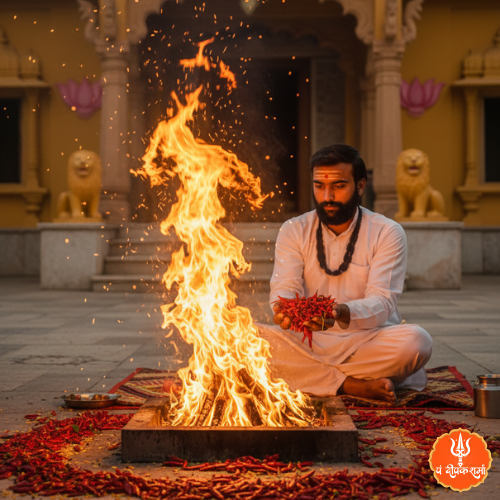
The baglamukhi Havan is a sacred Vedic ritual dedicated to Devi Baglamukhi, one of the ten Mahavidyas, who embodies the power of speech and the ability to overcome obstacles. This havan is performed to invoke the divine blessings of the goddess, seeking her protection and guidance in various aspects of life. The ritual involves the offering of oblations into the sacred fire, accompanied by specific mantras that resonate with the energies of the goddess, thereby establishing a connection between the devotee and the divine.
In essence, the Baglamukhi Havan serves as a powerful tool for devotees to seek resolution in their lives, especially in matters concerning legal issues, career challenges, and the removal of enemies. The act of performing this havan is not merely a ritualistic practice; it is a profound spiritual experience that fosters devotion and faith in the divine. Through this ritual, devotees express their surrender to the goddess, seeking her intervention in their worldly affairs.
The significance of this havan extends beyond personal gain; it is also a means of purifying the environment and invoking positive energies. As the offerings are made, the flames of the havan symbolize the burning away of negativity and obstacles, making way for prosperity, success, and peace. Thus, the Baglamukhi Havan is a holistic approach to spiritual well-being, encompassing both individual and collective benefits.
How This Ritual Helps
The Baglamukhi Havan is renowned for its transformative power, particularly in alleviating challenges faced by devotees. One of the primary benefits of this ritual is its effectiveness in resolving legal disputes and court cases. By invoking the blessings of Devi Baglamukhi, devotees seek her divine intervention to ensure justice and victory in their legal battles. The specific mantras recited during the havan resonate with the energies of the goddess, empowering the devotee to overcome adversities in the legal realm.
Moreover, this havan is instrumental in removing obstacles that hinder personal and professional growth. Many individuals perform the Baglamukhi Havan to seek blessings for career advancement, job security, and success in competitive exams. The ritual acts as a catalyst for positive change, helping devotees to align their energies with the divine will, thereby attracting opportunities and favorable outcomes.
In addition to its practical benefits, the Baglamukhi Havan also serves as a means of spiritual purification. The act of offering oblations into the sacred fire purifies the mind and soul, allowing devotees to release negative thoughts and emotions. This purification process fosters a sense of inner peace and clarity, enabling individuals to make better decisions and navigate life’s challenges with confidence. Thus, the havan not only addresses immediate concerns but also promotes long-term spiritual growth and well-being.
Mythological Background
The roots of the Baglamukhi Havan are deeply embedded in Hindu mythology, particularly in the narratives surrounding Devi Baglamukhi. She is revered as a fierce protector and a goddess of knowledge, wisdom, and speech. According to ancient texts, Baglamukhi is known to have subdued the demon Madan, who threatened the cosmic order with his arrogance. By invoking her divine powers, she demonstrated the importance of humility and the strength that comes from righteous action.
This mythological backdrop highlights the dual nature of Baglamukhi as both a nurturing mother and a formidable warrior. Devotees believe that by performing the Baglamukhi Havan, they align themselves with her divine qualities, seeking her protection against adversaries and obstacles. The stories of her victories over evil forces serve as a source of inspiration for devotees, encouraging them to face their challenges with courage and determination.
Furthermore, the Baglamukhi Havan is often associated with the concept of Shakti, the divine feminine energy that empowers individuals to overcome difficulties. In many traditions, Shakti is seen as the driving force behind creation and transformation. By participating in this havan, devotees tap into this potent energy, invoking the goddess’s blessings to manifest their desires and achieve their goals. The rich mythology surrounding Devi Baglamukhi thus adds layers of meaning to the ritual, reinforcing its significance in the lives of devotees.
Who Should Perform This
The Baglamukhi Havan is suitable for anyone seeking divine intervention in their lives, particularly those facing legal challenges, career hurdles, or conflicts with enemies. Individuals embroiled in court cases often find solace in this ritual, as it is believed to enhance their chances of success and justice. Moreover, professionals looking to advance in their careers or secure stable employment can greatly benefit from the blessings of Devi Baglamukhi through this havan.
Additionally, the havan is recommended for those experiencing personal conflicts or facing adversities caused by negative influences. Whether it is issues with colleagues, family disputes, or rivalries, the Baglamukhi Havan serves as a powerful remedy to neutralize such challenges. Devotees who feel overwhelmed by negativity or fear can find strength and reassurance in this ritual, as it empowers them to reclaim their power and restore harmony in their lives.
Furthermore, the Baglamukhi Havan is also beneficial for spiritual seekers who wish to deepen their connection with the divine. By engaging in this ritual, individuals can cultivate a sense of devotion and surrender, allowing them to experience the transformative power of the goddess in their lives. Ultimately, anyone with a sincere heart and a desire for positive change can participate in the Baglamukhi Havan, making it an inclusive and accessible spiritual practice.
Step-by-Step Vidhi (Very Detailed)
The procedure for performing the Baglamukhi Havan is steeped in tradition and requires careful adherence to Vedic principles. The following steps outline the detailed vidhi for conducting this sacred ritual:
1. Preparation of the Havan Kund: The first step involves the preparation of the havan kund, a sacred fire pit. It should be constructed using bricks or clay, ensuring that it is clean and free from impurities. The size of the kund can vary based on the number of participants, but it should be spacious enough to accommodate the offerings. Once the kund is ready, it is sanctified with water and flowers, invoking the presence of the goddess.
2. Gathering of Materials: The next step is to gather all necessary materials for the havan. This includes ghee (clarified butter), various types of grains, herbs, and specific offerings that resonate with Devi Baglamukhi. Each item holds significance in the ritual, and devotees should ensure that they are of the highest quality. Additionally, a sacred thread (yajnopavita) is worn by the priest or pandit performing the havan, symbolizing purity and commitment to the ritual.
3. Invocation of the Goddess: Before commencing the havan, the priest performs a series of prayers and invocations to invite the presence of Devi Baglamukhi. This includes chanting her mantras and offering flowers and incense to the deity. The atmosphere is charged with devotion, creating a conducive environment for the ritual.
4. Lighting the Sacred Fire: The havan is initiated by lighting the sacred fire in the kund. The fire symbolizes the divine presence and serves as a medium for the offerings to reach the goddess. The priest recites specific mantras while lighting the fire, invoking the blessings of the goddess to purify the space and the participants.
5. Offering Obations: Once the fire is lit, the priest begins to offer oblations into the flames. Each offering is accompanied by the recitation of mantras that resonate with the energies of Devi Baglamukhi. This step is crucial, as it establishes a direct connection between the devotee and the goddess. The offerings typically include ghee, grains, and herbs, each symbolizing different aspects of life and spiritual growth.
6. Concluding Prayers: After the offerings are made, the priest concludes the havan with prayers of gratitude and devotion. This includes thanking Devi Baglamukhi for her blessings and seeking her continued guidance and protection. The participants are encouraged to express their personal wishes and intentions during this time, solidifying their connection to the goddess.
7. Distribution of Prasad: Finally, the havan concludes with the distribution of prasad, the blessed offerings that have been sanctified by the fire. This prasad is shared among the participants, symbolizing the divine blessings received during the ritual. Consuming prasad is believed to enhance spiritual well-being and foster a sense of community among devotees.
Mantra for This Ritual
The mantra associated with the Baglamukhi Havan is a powerful invocation that encapsulates the essence of the goddess’s energy. The specific mantra used for this ritual is:
ॐ ह्लीं बगलामुखि सर्वविघ्न नाशाय ह्लीं
Om Hleem Baglamukhi Sarva Vighna Nashaya Hleem
This mantra translates to: “Om, I invoke the energy of Baglamukhi to remove all obstacles and hindrances.” The repetition of this mantra during the havan serves to align the devotee’s intentions with the divine will of the goddess, creating a powerful resonance that enhances the effectiveness of the ritual.
The significance of this mantra lies in its ability to channel the energies of Devi Baglamukhi, empowering the devotee to overcome challenges and achieve success. Each syllable of the mantra carries vibrational frequencies that resonate with the cosmos, amplifying the devotee’s prayers and intentions. By chanting this mantra with sincerity and devotion, individuals can experience profound shifts in their lives, paving the way for positive outcomes.
Furthermore, the mantra serves as a reminder of the goddess’s protective nature. In moments of doubt or fear, reciting this mantra can instill a sense of courage and confidence, allowing devotees to navigate life’s challenges with grace. Thus, the mantra is not only a tool for the ritual but also a source of spiritual strength and guidance for devotees in their daily lives.
Do’s & Don’ts
Engaging in the Baglamukhi Havan requires adherence to certain guidelines to ensure the ritual’s sanctity and effectiveness. Here are some essential do’s and don’ts to consider:
- Do’s:
- Approach the ritual with a sincere heart and a clear intention. It is essential to focus on your desires and the reasons for performing the havan.
- Ensure that all materials used in the havan are pure and of high quality. This includes ghee, grains, and flowers, as they contribute to the overall energy of the ritual.
- Participate actively in the ritual, whether by offering oblations or reciting mantras. Your involvement enhances the connection to the divine.
- Maintain a peaceful and respectful atmosphere during the havan. This includes refraining from distractions and negative thoughts.
- Don’ts:
- Do not engage in any negative or harmful thoughts during the ritual. It is crucial to cultivate a positive mindset to attract favorable outcomes.
- Avoid using impure or low-quality materials in the havan. This can diminish the effectiveness of the ritual.
- Do not interrupt the priest or pandit during the recitation of mantras. Respect the sanctity of the ritual by allowing it to flow uninterrupted.
- Refrain from consuming non-vegetarian food or alcohol on the day of the havan, as it is essential to maintain purity and focus.
When to Perform
The timing of the Baglamukhi Havan can significantly influence its effectiveness. While this ritual can be performed at any time, certain auspicious days and times are particularly favorable. Many devotees choose to conduct the havan on specific lunar days, such as the full moon (Purnima) or new moon (Amavasya), as these phases are believed to enhance the energies of the ritual.
Additionally, performing the havan on Fridays, which are dedicated to Goddess Baglamukhi, is considered highly auspicious. This day is believed to amplify the goddess’s blessings, making it an ideal time for devotees seeking her intervention in their lives. Furthermore, the auspicious months of Chaitra and Ashwin are also recommended for conducting the havan, as they align with the energies of the goddess.
Ultimately, the best time to perform the Baglamukhi Havan is when the devotee feels a strong calling or need for divine intervention. Listening to one’s intuition and aligning the ritual with personal circumstances can enhance the spiritual experience and effectiveness of the havan.
How Pandit Deepak Sharma can help
Pandit Deepak Sharma, a revered priest at the Nalkheda Baglamukhi Temple, possesses extensive knowledge and experience in conducting Baglamukhi rituals and havans. With over 25 years of expertise in Vedic traditions, he is well-versed in the intricacies of the Baglamukhi Havan, ensuring that each ritual is performed with precision and devotion.
Devotees seeking to perform the Baglamukhi Havan can benefit greatly from Pandit Deepak Sharma’s guidance. He provides personalized consultations, helping individuals understand the significance of the ritual and how it can address their specific needs. His compassionate approach fosters a sense of trust and reassurance, allowing devotees to feel supported throughout the process.
Moreover, Pandit Deepak Sharma ensures that all rituals are conducted in accordance with authentic Vedic practices, maintaining the sanctity and effectiveness of the havan. His deep connection with Devi Baglamukhi enhances the spiritual experience for devotees, making the ritual a profound journey of faith and devotion. By choosing to work with Pandit Deepak Sharma, devotees can embark on a transformative spiritual journey, seeking the blessings of the goddess in their lives.
Nalkheda Temple Connection
The Nalkheda Temple, dedicated to Devi Baglamukhi, is a sacred site that attracts devotees from all over India. Nestled in the Agar Malwa district of Madhya Pradesh, this temple holds immense spiritual significance, serving as a center for Baglamukhi rituals and havans. The temple is renowned for its serene atmosphere, making it an ideal place for devotees to connect with the divine.
Visiting the Nalkheda Temple for the Baglamukhi Havan allows devotees to immerse themselves in the rich spiritual heritage of the site. The temple’s architecture and ambiance create a conducive environment for prayer and meditation, enhancing the overall experience of the ritual. Many devotees report profound transformations and blessings after participating in rituals conducted at this sacred location.
Additionally, the Nalkheda Temple is a hub for spiritual gatherings and festivals dedicated to Devi Baglamukhi. These events provide opportunities for devotees to engage in collective worship, fostering a sense of community and shared devotion. By participating in the Baglamukhi Havan at the Nalkheda Temple, individuals not only seek personal blessings but also contribute to the collective spiritual energy of the community.
FAQ
What is the cost of performing the Baglamukhi Havan?
The cost of performing the Baglamukhi Havan can vary based on several factors, including the materials used, the duration of the ritual, and the specific requirements of the devotee. Typically, the expenses cover the offerings, the preparation of the havan kund, and the priest’s fees. It is advisable to consult with Pandit Deepak Sharma for an accurate estimate tailored to your needs.
How long does the Baglamukhi Havan take?
The duration of the Baglamukhi Havan can range from one to three hours, depending on the complexity of the ritual and the number of participants. A more elaborate havan may involve additional offerings and mantras, extending the time required. Pandit Deepak Sharma will provide guidance on the expected duration based on the specific ritual being performed.
Can I perform the Baglamukhi Havan at home?
Yes, the Baglamukhi Havan can be performed at home, provided that the necessary materials and a suitable space for the havan kund are available. However, it is highly recommended to seek the guidance of a knowledgeable priest like Pandit Deepak Sharma to ensure that the ritual is conducted correctly and effectively. His expertise can enhance the spiritual experience and ensure that the offerings reach the goddess.
What are the benefits of performing the Baglamukhi Havan?
The Baglamukhi Havan offers numerous benefits, including the resolution of legal issues, career advancement, and the removal of obstacles. Devotees often experience a sense of peace and clarity after participating in the ritual, as it purifies the mind and spirit. The blessings of Devi Baglamukhi empower individuals to overcome challenges and achieve their goals, fostering a deeper connection with the divine.
Is there a specific time to perform the Baglamukhi Havan?
While the Baglamukhi Havan can be performed at any time, certain auspicious days, such as Fridays and full moons, are particularly favorable. These timings are believed to enhance the energies of the ritual and amplify the blessings of the goddess. It is advisable to consult with Pandit Deepak Sharma to determine the best timing based on your personal circumstances.
What materials are needed for the Baglamukhi Havan?
Essential materials for the Baglamukhi Havan include ghee, grains, herbs, flowers, and a havan kund. Each item holds significance in the ritual, contributing to the overall energy and effectiveness of the havan. Pandit Deepak Sharma can provide a detailed list of materials required for your specific ritual, ensuring that everything is prepared correctly.
Can I participate in the Baglamukhi Havan if I am not a Hindu?
Yes, individuals of all backgrounds are welcome to participate in the Baglamukhi Havan. The ritual is open to anyone seeking spiritual growth and divine blessings. It is essential to approach the ritual with respect and sincerity, regardless of one’s religious background. Pandit Deepak Sharma encourages inclusivity and welcomes all devotees to experience the transformative power of the havan.
Recommended Reading / Further Exploration
- Baglamukhi Havan for Enemy Removal: A Sacred Vedic Ritual
- Advanced Concepts of Baglamukhi Anushthan Ujjain (Explained Clearly)
- Common Mistakes in Baglamukhi Puja Benefits and How to Fix Them
- Baglamukhi Mandir Nalkheda Pooja for Small Businesses: Practical Implementation
- Complete Guide to Court Case Havan