Meaning of This Ritual
The Competition Exam Havan is a sacred ritual dedicated to Goddess baglamukhi, one of the revered Mahavidyas in Hindu tradition. This havan is performed to invoke divine blessings for success in competitive examinations. The essence of this ritual lies in its ability to enhance one’s intellect, focus, and determination, which are essential qualities for excelling in exams. By performing this havan, devotees seek the grace of the goddess to overcome obstacles and achieve their academic goals.
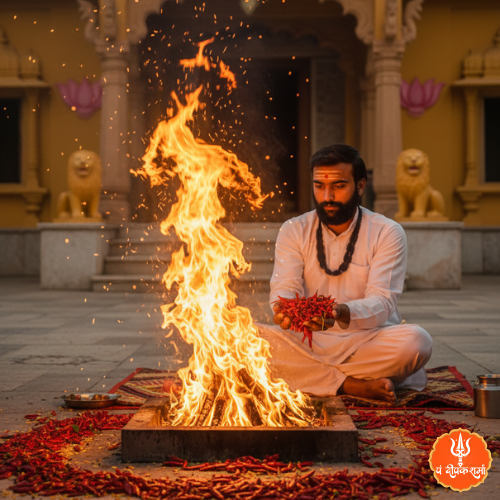
The term ‘Havan’ refers to the fire ritual where offerings are made into the sacred fire, symbolizing the purification of the mind and spirit. The flames represent the divine energy that consumes negativity and enhances positive attributes. The Competition Exam Havan, therefore, serves as a spiritual tool to align one’s energies with the cosmic forces, fostering an environment conducive to learning and success.
In the context of competitive exams, where stress and anxiety can hinder performance, this havan acts as a source of strength and clarity. Devotees believe that by participating in this ritual, they not only receive blessings from Goddess Baglamukhi but also cultivate a sense of calmness and confidence, essential for tackling challenging examinations.
How This Ritual Helps
The Competition Exam Havan is designed to provide multiple benefits to the aspirants. Primarily, it enhances mental clarity and focus, which are crucial for effective studying and retention of information. The vibrations created during the havan resonate with the energies of the participants, helping them to concentrate better on their studies and reduce distractions.
Moreover, this ritual is believed to remove obstacles that may hinder one’s path to success. The divine blessings of Goddess Baglamukhi are invoked to dispel any negative influences, whether they be internal doubts or external challenges. This purification process not only aids in academic pursuits but also instills a sense of confidence in the devotee, empowering them to face examinations with a positive mindset.
Additionally, the Competition Exam Havan fosters a sense of community among participants. When performed in a group setting, it creates a collective energy that amplifies the intentions of each devotee. This shared experience can be incredibly uplifting, as it reinforces the belief that one is not alone in their journey towards success.
Mythological Background
Goddess Baglamukhi is revered as the deity of wisdom, knowledge, and speech. According to Hindu mythology, she is one of the ten Mahavidyas, embodying the power of knowledge and the ability to overcome ignorance. The stories surrounding her depict her as a fierce protector of her devotees, often intervening in their lives to provide guidance and support.
One of the most significant tales associated with Baglamukhi involves her role in the battle against evil forces. It is said that she helped the gods by silencing their enemies, thus allowing them to regain their strength. This aspect of her mythology is particularly relevant to the Competition Exam Havan, as it symbolizes the removal of obstacles and the empowerment of devotees to achieve their goals.
Furthermore, the havan itself is rooted in ancient Vedic traditions, where fire is considered a purifying element. The act of offering materials into the fire is a symbolic gesture of surrendering one’s worries and fears to the divine. This connection to the mythology of Baglamukhi enhances the spiritual significance of the Competition Exam Havan, making it a powerful ritual for those seeking success in their academic endeavors.
Who Should Perform This
The Competition Exam Havan is particularly beneficial for students preparing for competitive examinations, such as entrance tests, civil services, and other academic assessments. Anyone who feels the need for divine support in their educational pursuits can participate in this ritual. It is especially recommended for those who may be experiencing anxiety or self-doubt regarding their capabilities.
Additionally, parents of students may also consider performing this havan on behalf of their children. By doing so, they invoke blessings for their child’s success and well-being. The collective intention of the family can amplify the effects of the ritual, creating a supportive environment for the student.
Moreover, educators and mentors who guide students in their academic journeys can also benefit from this havan. By participating, they can enhance their own clarity and focus, enabling them to provide better support and guidance to their students.
Step-by-Step Vidhi (Very Detailed)
The Competition Exam Havan follows a specific Vedic procedure that ensures the ritual is performed correctly and with reverence. Here is a detailed step-by-step guide:
Preparation
Before the havan, it is essential to prepare the space. Choose a clean and sacred area, preferably in a home temple or a quiet room. Gather all necessary materials, including a havan kund (fire pit), ghee (clarified butter), samagri (ritual offerings), and flowers. It is also advisable to wear clean and traditional attire to maintain the sanctity of the ritual.
Invoking the Deity
Begin the ritual by invoking the presence of Goddess Baglamukhi. Light a diya (lamp) and offer flowers at the altar. Chant the following mantra: ॐ ह्लीं बगलामुखि बुद्धि-विजयाय स्वाहा (Om Hleem Baglamukhi Buddhi-Vijayaya Swaha). This mantra is specifically aimed at seeking wisdom and victory in examinations. Repeat this mantra three times while focusing on your intentions.
Performing the Havan
Once the deity is invoked, light the fire in the havan kund. Begin offering the samagri into the fire while chanting the mantra. Each offering should be accompanied by a specific intention related to your examination goals. For example, you may say, “O Goddess Baglamukhi, bless me with clarity and focus as I prepare for my exams.” Continue this process for at least 30 minutes, maintaining concentration and devotion.
Concluding the Ritual
After completing the offerings, conclude the havan by thanking Goddess Baglamukhi for her blessings. Perform aarti (a ritual of light) and offer sweets as prasad (blessed food) to participants. It is important to share the prasad with family and friends, spreading the blessings received during the ritual.
Mantra for This Ritual
The primary mantra for the Competition Exam Havan is ॐ ह्लीं बगलामुखि बुद्धि-विजयाय स्वाहा. This mantra is a powerful invocation that seeks the blessings of Goddess Baglamukhi for success in examinations. The mantra can be broken down as follows:
ॐ (Om): The sacred sound representing the essence of the universe. It is often used at the beginning of prayers and mantras to invoke divine energy.
ह्लीं (Hleem): A bija (seed) mantra associated with Goddess Baglamukhi. It symbolizes the power of knowledge and wisdom, enhancing the intellect of the devotee.
बगलामुखि (Baglamukhi): The name of the goddess, representing her divine attributes and powers.
बुद्धि-विजयाय (Buddhi-Vijayaya): This phrase translates to ‘for the victory of intellect.’ It signifies the devotee’s desire for clarity and success in their academic pursuits.
स्वाहा (Swaha): A term used at the end of offerings, signifying the surrender of the offerings to the divine. It represents the devotee’s faith in the goddess’s blessings.
Do’s & Don’ts
To ensure the effectiveness of the Competition Exam Havan, it is essential to follow certain guidelines:
Do’s
- Perform the havan with a pure heart and focused mind.
- Use fresh and pure materials for the offerings.
- Maintain cleanliness in the area where the havan is performed.
- Invite family members to participate, enhancing the collective energy.
- Express gratitude to Goddess Baglamukhi after the ritual.
Don’ts
- Avoid distractions during the ritual; maintain focus on the prayers.
- Do not use stale or impure items for the havan.
- Refrain from consuming non-vegetarian food or alcohol before the ritual.
- Do not rush through the offerings; take your time to connect with the divine.
- Avoid negative thoughts or doubts during the ritual.
When to Perform
The Competition Exam Havan can be performed at any time, but certain auspicious days may enhance its effectiveness. It is particularly beneficial to conduct the havan during the waxing phase of the moon, known as Shukla Paksha, as this period is considered favorable for new beginnings and growth.
Additionally, performing the havan on Thursdays, which are dedicated to Goddess Baglamukhi, is highly recommended. This day is believed to amplify the blessings received from the goddess, making it an ideal time for students to seek her guidance.
Ultimately, the best time to perform the Competition Exam Havan is when the devotee feels the need for divine support in their academic journey. Whether it is before an important exam or during a challenging study period, the havan can be a source of strength and inspiration.
How Pandit Deepak Sharma can help
Pandit Deepak Sharma, an experienced Vedic practitioner, specializes in performing Baglamukhi rituals, including the Competition Exam Havan. With over 25 years of experience, he possesses a deep understanding of the Vedic traditions and the significance of each ritual. His guidance ensures that the havan is conducted with the utmost reverence and adherence to traditional practices.
By consulting Pandit Deepak Sharma, devotees can receive personalized support tailored to their specific needs and intentions. He can provide insights into the best timings for the havan, the materials required, and the correct mantras to chant. His presence during the ritual enhances the spiritual atmosphere, allowing participants to connect more deeply with Goddess Baglamukhi.
Moreover, Pandit Deepak Sharma’s compassionate approach fosters a sense of comfort and reassurance among devotees. He understands the pressures faced by students and offers spiritual guidance to help them navigate their academic challenges with confidence and faith.
Nalkheda Temple Connection
The Nalkheda Temple, dedicated to Goddess Baglamukhi, is a sacred site for devotees seeking her blessings. Located in the Agar Malwa district of Madhya Pradesh, this temple is renowned for its spiritual significance and the powerful energy it emanates. The temple attracts numerous pilgrims who come to perform rituals and seek divine intervention in their lives.
Performing the Competition Exam Havan at the Nalkheda Temple adds an extra layer of sanctity to the ritual. The temple’s atmosphere, filled with devotion and reverence, enhances the effectiveness of the havan. Devotees believe that the vibrations of the temple amplify their prayers, making it an ideal location for seeking blessings for academic success.
Additionally, participating in the havan at the temple allows devotees to connect with a community of like-minded individuals, all seeking the grace of Goddess Baglamukhi. This shared experience fosters a sense of unity and support, reinforcing the belief that divine blessings are accessible to all who seek them.
FAQ
What materials are needed for the Competition Exam Havan?
For the Competition Exam Havan, you will need several essential materials to ensure the ritual is performed correctly. Firstly, a havan kund (fire pit) is necessary to contain the sacred fire. You will also require ghee (clarified butter) for making offerings, as it is considered pure and auspicious in Vedic rituals. Additionally, samagri, which includes various herbs, grains, and other offerings, is important for the havan.
Flowers, incense sticks, and a diya (lamp) are also recommended to create a sacred atmosphere. It is advisable to use fresh and pure materials, as they enhance the sanctity of the ritual. Having a clean and quiet space for the havan is equally important, as it allows for a focused and devoted environment.
Can I perform the Competition Exam Havan at home?
Yes, the Competition Exam Havan can be performed at home, provided you create a clean and sacred space for the ritual. Many devotees choose to conduct the havan in their home temples or a quiet room where they can focus on their prayers. Performing the havan at home allows for a personal connection with Goddess Baglamukhi and can be a deeply fulfilling experience.
However, it is essential to follow the correct procedures and guidelines to ensure the ritual is performed with reverence. If you are unsure about any aspect of the havan, seeking guidance from an experienced pandit like Pandit Deepak Sharma can enhance the effectiveness of the ritual and provide you with the necessary support.
How long does the Competition Exam Havan take?
The duration of the Competition Exam Havan can vary depending on the devotee’s intentions and the specific procedures followed. Generally, the havan can take anywhere from 30 minutes to an hour. This includes the time spent invoking the deity, making offerings, and concluding the ritual with prayers and aarti.
It is important to approach the havan with patience and devotion, allowing yourself to connect deeply with the divine. Rushing through the ritual may diminish its effectiveness, so it is advisable to allocate sufficient time to perform the havan with sincerity and focus.
What should I do after the Competition Exam Havan?
After completing the Competition Exam Havan, it is customary to express gratitude to Goddess Baglamukhi for her blessings. Perform aarti (a ritual of light) and offer sweets as prasad (blessed food) to participants. Sharing the prasad with family and friends is an important aspect of the ritual, as it spreads the blessings received during the havan.
Additionally, it is beneficial to maintain a positive mindset and continue your studies with renewed focus and determination. The energy and blessings from the havan can serve as a source of inspiration, encouraging you to stay committed to your academic goals.
Is there a specific time to perform the Competition Exam Havan?
While the Competition Exam Havan can be performed at any time, certain auspicious days may enhance its effectiveness. Performing the havan during the waxing phase of the moon, known as Shukla Paksha, is considered favorable for new beginnings and growth. Thursdays, dedicated to Goddess Baglamukhi, are particularly recommended for this ritual.
Ultimately, the best time to perform the havan is when you feel the need for divine support in your academic journey. Whether it is before an important exam or during a challenging study period, the havan can be a source of strength and inspiration.
Can I invite others to join the Competition Exam Havan?
Yes, inviting family members and friends to join the Competition Exam Havan can enhance the collective energy of the ritual. When performed in a group setting, the shared intentions and prayers amplify the blessings received from Goddess Baglamukhi. This communal experience fosters a sense of unity and support among participants, reinforcing the belief that divine blessings are accessible to all who seek them.
Moreover, involving others in the havan can create a positive atmosphere, encouraging everyone to focus on their academic goals together. It can also provide emotional support, as participants can share their experiences and aspirations, making the ritual even more meaningful.