Meaning of This Ritual
baglamukhi Anushthan is a sacred ritual dedicated to Devi Baglamukhi, one of the ten Mahavidyas in Hindu tradition. This ritual is performed to invoke the divine blessings of the goddess, who is revered for her power to control and overcome adversities. The term ‘Anushthan’ signifies a disciplined and dedicated performance of rituals, aimed at achieving specific spiritual or material goals. In the context of Baglamukhi, this ritual is particularly significant for those seeking victory in legal matters, protection from enemies, and overall success in various endeavors.
The essence of Baglamukhi Anushthan lies in its ability to channel divine energy through specific mantras, offerings, and rituals. By performing this Anushthan, devotees aim to align themselves with the powerful vibrations of the goddess, enabling them to overcome obstacles and achieve their desires. The ritual is not merely a set of actions; it is a heartfelt devotion that connects the devotee with the divine, fostering a sense of peace and assurance in their lives.
In essence, Baglamukhi Anushthan is a spiritual journey that transforms the devotee’s intentions into reality through the grace of the goddess. It is a profound way to seek her blessings for success, protection, and the removal of negativity from one’s life.
How This Ritual Helps
Baglamukhi Anushthan serves multiple purposes, primarily focusing on the removal of obstacles and the attainment of success in various aspects of life. One of the most significant benefits of this ritual is its effectiveness in legal matters. Many devotees turn to this Anushthan when facing court cases or legal disputes, seeking the goddess’s intervention for a favorable outcome. The rituals performed during this Anushthan are believed to invoke the goddess’s power to grant victory and justice.
Additionally, this ritual is instrumental in providing protection from enemies and negative influences. Devi Baglamukhi is known for her ability to silence adversaries and shield her devotees from harm. By performing the Anushthan, devotees seek her blessings to ward off any malevolent forces and ensure their safety and well-being. This aspect of the ritual is particularly vital for individuals who feel threatened or are facing challenges from rivals.
Moreover, Baglamukhi Anushthan enhances the devotee’s spiritual growth and personal development. The disciplined practice of rituals fosters a deeper connection with the divine, leading to increased faith and devotion. As devotees engage in this spiritual practice, they often experience a sense of clarity, purpose, and empowerment, enabling them to navigate life’s challenges with confidence and resilience.
Mythological Background
The mythology surrounding Devi Baglamukhi is rich and profound, rooted in ancient texts and traditions. According to Hindu scriptures, Baglamukhi is considered a manifestation of the divine feminine energy, embodying the power of speech and control. She is often depicted as a beautiful woman adorned with yellow garments, symbolizing knowledge and wisdom. Her fierce demeanor signifies her ability to protect her devotees and vanquish their enemies.
One of the most popular myths associated with Baglamukhi involves her role in the battle between the gods and demons. When the demons threatened to overpower the gods, Baglamukhi intervened, using her divine powers to silence and subdue them. This act of protection established her as a formidable force against evil and injustice, making her a beloved deity among devotees seeking strength and victory.
Furthermore, Baglamukhi is often associated with the concept of ‘Shakti’ or divine energy. She represents the transformative power of the goddess, capable of turning obstacles into opportunities. This aspect of her mythology resonates deeply with devotees, as they seek her blessings to overcome challenges and achieve their goals. The stories of her valor and compassion inspire countless individuals to turn to her in times of need, reinforcing the belief in her protective and guiding presence.
Who Should Perform This
Baglamukhi Anushthan is particularly beneficial for individuals facing legal challenges, disputes, or conflicts. Those who find themselves entangled in court cases or legal matters can greatly benefit from this ritual, as it is believed to invoke the goddess’s blessings for justice and victory. Additionally, anyone experiencing difficulties due to adversaries or negative influences in their lives may find solace and protection through this Anushthan.
Moreover, individuals seeking personal growth, clarity, and empowerment can also participate in this ritual. The disciplined practice of Baglamukhi Anushthan fosters a deeper connection with the divine, enhancing one’s spiritual journey. It is suitable for anyone wishing to strengthen their faith, gain confidence, and navigate life’s challenges with resilience.
Furthermore, this ritual can be performed by families or groups seeking collective blessings for harmony and success. By coming together to perform Baglamukhi Anushthan, participants can create a powerful spiritual atmosphere that amplifies the effects of the ritual, benefiting everyone involved.
Step-by-Step Vidhi (Very Detailed)
The Vidhi for Baglamukhi Anushthan is a sacred process that requires dedication and reverence. It is essential to perform this ritual with a pure heart and focused mind. Here is a detailed step-by-step guide to conducting the Anushthan:
Preparation
Begin by selecting an auspicious day for the Anushthan. It is advisable to consult a knowledgeable priest or Pandit to determine the most favorable time based on your personal horoscope. Once the date is set, gather all necessary materials, including a clean altar, flowers, incense, ghee, and specific offerings for the goddess.
Ensure that the space where the Anushthan will be performed is clean and free from distractions. Set up the altar with an image or idol of Devi Baglamukhi, adorned with flowers and offerings. Light a lamp and incense to create a sacred atmosphere, inviting divine energies into the space.
Invocation of the Goddess
Begin the ritual by invoking the presence of Devi Baglamukhi. This can be done by chanting her sacred mantras and offering prayers. It is essential to approach the goddess with humility and devotion, expressing your intentions and desires clearly. Offer flowers and light the lamp as a symbol of your devotion.
As you chant the mantras, visualize the goddess’s divine energy enveloping you, providing strength and protection. This phase of the ritual is crucial, as it establishes a connection with the goddess, allowing her to hear your prayers and intentions.
Performing the Havan
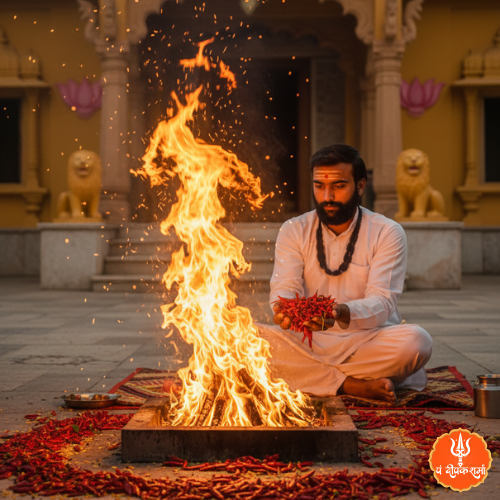
The Havan is a significant aspect of Baglamukhi Anushthan, where offerings are made into the sacred fire. Prepare the Havan Kund (fire pit) and ensure that it is clean and properly arranged. Use pure ghee and specific offerings such as grains, herbs, and flowers to create a sacred fire.
As the fire is lit, continue chanting the mantras dedicated to Devi Baglamukhi. The offerings made into the fire symbolize the surrender of your desires and intentions to the goddess. This act of devotion is believed to purify your intentions and attract the goddess’s blessings. Maintain focus and devotion throughout the Havan, allowing the divine energy to flow freely.
Concluding the Ritual
After completing the Havan, express gratitude to Devi Baglamukhi for her blessings and guidance. Offer a final prayer, seeking her protection and support in your endeavors. Distribute Prasad (blessed offerings) among family members and participants, sharing the divine energy and blessings received during the ritual.
It is essential to conclude the Anushthan with a sense of peace and gratitude, acknowledging the goddess’s presence in your life. Reflect on your intentions and remain open to receiving her blessings in the days to come.
Mantra for This Ritual
The mantra associated with Baglamukhi Anushthan is:
ॐ ह्लीं बगलामुखि सर्वविघ्न नाशाय ह्लीं
Transliteration: Om Hleem Baglamukhi Sarva Vighna Nashaya Hleem
This powerful mantra is chanted to invoke the blessings of Devi Baglamukhi for the removal of obstacles and the attainment of success. The syllable ‘Hleem’ is a seed mantra that represents the goddess’s energy and is believed to carry immense power. By repeating this mantra with devotion, devotees seek to align themselves with the goddess’s vibrations, inviting her blessings into their lives.
The mantra’s meaning can be understood as follows: ‘Om’ signifies the universal sound, representing the essence of the divine. ‘Hleem’ is a specific sound that resonates with the energy of Baglamukhi, while ‘Sarva Vighna Nashaya’ translates to the removal of all obstacles. Together, this mantra serves as a powerful invocation for success, protection, and victory over adversities.
Chanting this mantra during the Anushthan is essential, as it enhances the ritual’s effectiveness and strengthens the connection with the goddess. Devotees are encouraged to chant it with sincerity and focus, allowing the divine energy to manifest in their lives.
Do’s & Don’ts
When performing Baglamukhi Anushthan, it is crucial to adhere to certain guidelines to ensure the ritual’s effectiveness. Here are some essential do’s and don’ts:
Do’s
- Perform the ritual with a pure heart and focused mind.
- Use fresh flowers and offerings for the goddess.
- Maintain cleanliness in the ritual space.
- Chant the mantras with devotion and sincerity.
- Express gratitude to the goddess after the ritual.
Don’ts
- Avoid distractions during the ritual.
- Do not use stale or wilted offerings.
- Refrain from consuming non-vegetarian food or alcohol before the ritual.
- Do not rush through the rituals; take your time to connect with the divine.
- Avoid negative thoughts or intentions during the Anushthan.
When to Perform
Baglamukhi Anushthan can be performed on any auspicious day, but certain times are considered particularly favorable. It is advisable to consult a knowledgeable priest to determine the best timing based on your personal horoscope and the lunar calendar. Generally, the days of Navratri, especially during the worship of the Mahavidyas, are considered highly auspicious for performing this Anushthan.
Additionally, performing the Anushthan on a full moon or new moon day is believed to enhance its effectiveness. These lunar phases are associated with heightened spiritual energies, making them ideal for invoking the blessings of Devi Baglamukhi. Devotees are encouraged to choose a time that resonates with their spiritual journey and intentions.
Ultimately, the key is to approach the Anushthan with sincerity and devotion, regardless of the specific timing. The goddess’s blessings are accessible to all who seek her with a pure heart and focused mind.
How Pandit Deepak Sharma can help
Pandit Deepak Sharma, a revered priest with extensive experience in performing Baglamukhi rituals, offers his guidance and expertise to devotees seeking to conduct Baglamukhi Anushthan. His deep understanding of Vedic traditions and rituals ensures that each Anushthan is performed with authenticity and devotion, aligning with the sacred practices of Hinduism.
By consulting with Pandit Deepak Sharma, devotees can receive personalized guidance tailored to their specific needs and intentions. He provides insights into the appropriate timing, materials, and mantras required for the Anushthan, ensuring that the ritual is conducted in accordance with Vedic principles. His presence during the ritual enhances the spiritual atmosphere, allowing devotees to connect deeply with Devi Baglamukhi.
Furthermore, Pandit Deepak Sharma’s compassionate approach fosters a sense of comfort and reassurance for devotees. He understands the challenges individuals face and offers spiritual support throughout the Anushthan process. By entrusting the performance of Baglamukhi Anushthan to him, devotees can focus on their intentions and prayers, knowing that they are in capable hands.
Nalkheda Temple Connection
The Nalkheda Temple, dedicated to Devi Baglamukhi, is a sacred site that attracts devotees from far and wide. This temple holds immense significance in the spiritual landscape of India, serving as a center for Baglamukhi rituals and worship. The temple’s serene environment and divine energy create an ideal setting for performing Baglamukhi Anushthan.
Visiting the Nalkheda Temple allows devotees to immerse themselves in the spiritual ambiance and connect with the goddess on a profound level. The temple’s architecture, adorned with intricate carvings and sacred symbols, enhances the experience of devotion and reverence. Many devotees choose to perform their Anushthan at the temple, seeking the blessings of Devi Baglamukhi in her divine abode.
Additionally, the temple offers various rituals and ceremonies conducted by experienced priests, including Pandit Deepak Sharma. These rituals are performed with utmost devotion and adherence to Vedic traditions, ensuring that devotees receive authentic spiritual guidance and blessings. The Nalkheda Temple stands as a beacon of hope and faith for those seeking the divine grace of Baglamukhi.
FAQ
What is Baglamukhi Anushthan?
Baglamukhi Anushthan is a sacred ritual dedicated to Devi Baglamukhi, aimed at invoking her blessings for success, protection, and the removal of obstacles. This ritual involves specific mantras, offerings, and disciplined practices that connect the devotee with the divine energy of the goddess. It is particularly beneficial for those facing legal challenges or seeking victory over adversaries.
How can Baglamukhi Anushthan help in legal matters?
The Anushthan is believed to invoke the goddess’s power to grant victory and justice in legal disputes. Many devotees perform this ritual when facing court cases, seeking the goddess’s intervention for a favorable outcome. The rituals and mantras used during the Anushthan are designed to align the devotee’s intentions with the divine energy, enhancing the chances of success in legal matters.
Who can perform Baglamukhi Anushthan?
Baglamukhi Anushthan can be performed by anyone seeking the blessings of the goddess, particularly those facing legal challenges or adversities. It is also suitable for individuals wishing to enhance their spiritual growth and personal development. Families and groups can perform the Anushthan together, creating a powerful collective energy that amplifies the ritual’s effectiveness.
What materials are needed for the Anushthan?
Essential materials for Baglamukhi Anushthan include a clean altar, flowers, incense, ghee, and specific offerings for the goddess. It is important to use fresh and pure items to maintain the sanctity of the ritual. Consulting with a knowledgeable priest can provide guidance on the specific materials required based on individual intentions and the type of Anushthan being performed.
How can I ensure the effectiveness of Baglamukhi Anushthan?
The effectiveness of Baglamukhi Anushthan is greatly influenced by the devotee’s sincerity and devotion. Performing the ritual with a pure heart, focused mind, and adherence to Vedic principles enhances its impact. It is also beneficial to consult with an experienced priest, such as Pandit Deepak Sharma, who can guide the devotee through the process and ensure that the Anushthan is conducted authentically.
Can I perform Baglamukhi Anushthan at home?
Yes, Baglamukhi Anushthan can be performed at home, provided that the space is clean and conducive to spiritual practices. Setting up a dedicated altar and following the prescribed rituals and mantras is essential for creating a sacred atmosphere. However, many devotees also choose to perform the Anushthan at the Nalkheda Temple, where the divine energy of the goddess is believed to be more potent.