Meaning of This Ritual
The Competition Exam Havan is a sacred ritual dedicated to invoking the blessings of Devi baglamukhi, the divine mother known for her wisdom and knowledge. This havan is performed to enhance one’s intellect and focus, essential qualities for success in competitive examinations. By offering prayers and performing this ritual, devotees seek the divine grace of Baglamukhi Mata to overcome obstacles and achieve their academic goals.
In the context of Vedic traditions, havans are not merely rituals but are profound spiritual practices that connect the devotee with the divine energies. The Competition Exam Havan specifically channels the energies of Baglamukhi, who is revered as a goddess of learning and victory. Through this ritual, devotees express their sincere intentions and desires, creating a sacred space for divine intervention in their academic pursuits.
Moreover, this havan symbolizes the purification of the mind and spirit, allowing devotees to align their thoughts with their aspirations. It is a reminder of the importance of discipline, focus, and dedication in the journey of learning. By participating in this ritual, one not only seeks blessings for success but also commits to the path of knowledge and self-improvement.
How This Ritual Helps
The Competition Exam Havan serves multiple purposes for those preparing for competitive exams. Firstly, it enhances concentration and memory, two vital components for effective learning and retention of information. The vibrations created during the havan help to clear mental clutter, allowing students to absorb knowledge more effectively.
Secondly, this ritual is believed to remove obstacles and negative energies that may hinder academic performance. Devi Baglamukhi, in her divine form, is known to dispel fears and anxieties associated with examinations. By invoking her blessings, devotees can cultivate a sense of calm and confidence, essential for performing well under pressure.
Additionally, the Competition Exam Havan fosters a positive mindset. The act of participating in a sacred ritual instills a sense of purpose and determination in students. It encourages them to approach their studies with renewed vigor and faith in their abilities, ultimately leading to better performance in exams.
Mythological Background
The roots of the Competition Exam Havan lie deep within the rich tapestry of Hindu mythology. Devi Baglamukhi is one of the ten Mahavidyas, a group of powerful goddesses who embody different aspects of the divine feminine. She is often depicted as a fierce protector, wielding a club and a noose, symbolizing her ability to control and subdue negative forces.
According to ancient texts, Baglamukhi is revered as the goddess of speech and knowledge. Her blessings are sought for clarity of thought and expression, making her an ideal deity for students and scholars. The mythology surrounding her emphasizes the importance of wisdom and the pursuit of knowledge, aligning perfectly with the objectives of the Competition Exam Havan.
Furthermore, the stories of her divine interventions in the lives of her devotees illustrate her compassionate nature. Many legends recount how she has helped her followers overcome significant challenges, be it in battles or personal endeavors. This aspect of her mythology reinforces the belief that through sincere devotion and ritualistic practices, one can attain success and victory in their pursuits.
Who Should Perform This
The Competition Exam Havan is particularly beneficial for students preparing for competitive examinations, be it school-level tests, entrance exams, or professional certifications. Anyone who feels the pressure of academic challenges and seeks divine support in their studies should consider participating in this ritual.
Moreover, this havan is also suitable for parents who wish to bless their children with wisdom and success in their educational endeavors. By performing this ritual on behalf of their children, parents can invoke the protective and guiding energies of Devi Baglamukhi, ensuring that their children are well-equipped to face academic challenges.
Additionally, educators and mentors who are involved in guiding students can also benefit from this ritual. By seeking the blessings of Baglamukhi, they can enhance their own knowledge and teaching abilities, thereby creating a more conducive learning environment for their students.
Step-by-Step Vidhi (Very Detailed)
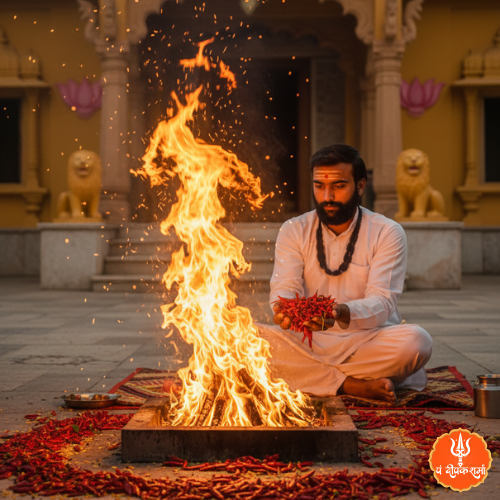
The Competition Exam Havan follows a traditional Vedic procedure that involves several steps, each infused with spiritual significance. The first step is to prepare the havan kund, a sacred fire pit where offerings will be made. This kund should be placed in a clean and serene environment, preferably facing the east, to invite positive energies.
Next, gather all the necessary materials for the havan, which typically include ghee (clarified butter), various herbs, grains, and specific offerings that resonate with the energies of Baglamukhi. Each item has its significance, and their inclusion in the ritual enhances the potency of the prayers being offered.
Once everything is prepared, the pandit will perform a series of invocations to purify the space and invite the presence of Devi Baglamukhi. This involves chanting specific mantras and offering prayers to establish a connection with the divine. Following this, the actual havan begins, where offerings are made into the sacred fire while chanting the appropriate mantras, invoking the goddess’s blessings for success in examinations.
Throughout the ritual, participants are encouraged to focus their intentions on their academic goals, visualizing success and clarity of thought. The havan concludes with aarti and prasad distribution, allowing devotees to receive the blessings of the goddess in a tangible form.
Mantra for This Ritual
The mantra associated with the Competition Exam Havan is:
ॐ ह्लीं बगलामुखि बुद्धि-विजयाय स्वाहा
Transliteration: Om Hleem Baglamukhi Buddhi-Vijayaya Swaha.
This powerful mantra translates to “Om, I invoke the energy of Baglamukhi for the victory of intellect.” It is a call for divine assistance in enhancing one’s intelligence and wisdom, particularly in the context of examinations. The syllable ‘Hleem’ is a bija mantra, representing the essence of Baglamukhi, while ‘Buddhi-Vijayaya’ signifies victory in knowledge.
Chanting this mantra during the havan creates a sacred vibration that aligns the devotee’s energy with that of the goddess. It is believed that through sincere repetition of this mantra, one can attract the blessings of Baglamukhi, leading to improved focus, memory, and overall academic performance. The mantra should be recited with devotion and concentration, ideally during the havan and in daily practice leading up to exams.
Do’s & Don’ts
When participating in the Competition Exam Havan, there are several do’s and don’ts to keep in mind to ensure the ritual is performed effectively and respectfully. Firstly, it is essential to approach the havan with a pure heart and sincere intentions. Devotees should prepare mentally and spiritually, setting clear goals for what they wish to achieve through the ritual.
Do ensure that all materials for the havan are pure and of good quality. This includes using fresh ghee, organic herbs, and clean grains. The sanctity of the offerings plays a crucial role in the effectiveness of the ritual. Additionally, dress modestly and respectfully, as this reflects the reverence for the divine during the ritual.
On the other hand, avoid distractions during the havan. It is important to maintain focus and devotion throughout the ritual. Do not engage in conversations or use mobile phones, as this can disrupt the sacred atmosphere. Furthermore, refrain from consuming non-vegetarian food or alcohol before the havan, as it is considered impure and disrespectful to the divine energies being invoked.
When to Perform
The Competition Exam Havan can be performed at any time, but certain auspicious days are particularly favorable for such rituals. Performing the havan on a Wednesday, which is dedicated to Lord Ganesha, is considered highly beneficial for academic pursuits. Additionally, during the auspicious months of Chaitra and Ashwin, the energies are believed to be more conducive for success in studies.
It is also advisable to perform the havan a few days before the examination to maximize its effectiveness. This timing allows the energies of the ritual to align with the devotee’s academic efforts, providing a boost of confidence and clarity as the exam date approaches. Devotees may also choose to perform the havan during significant astrological events, such as a favorable planetary alignment, to enhance the potency of their prayers.
Ultimately, the best time to perform the Competition Exam Havan is when the devotee feels a deep sense of connection and commitment to their studies. The sincerity of intention is what truly matters in invoking the blessings of Devi Baglamukhi.
How Pandit Deepak Sharma can help
Pandit Deepak Sharma, with his extensive experience in performing Baglamukhi rituals, offers invaluable guidance for those seeking to undertake the Competition Exam Havan. His deep understanding of Vedic traditions ensures that the havan is conducted with utmost precision and devotion, adhering to the authentic practices that have been passed down through generations.
By consulting with Pandit Deepak Sharma, devotees can gain insights into the specific requirements and preparations needed for the havan. He provides personalized advice on the materials to be used, the timing of the ritual, and the appropriate mantras to chant, ensuring that each aspect of the havan is aligned with the devotee’s intentions.
Moreover, Pandit Deepak Sharma’s presence during the ritual enhances the spiritual atmosphere, allowing devotees to feel a deeper connection with the divine. His blessings and guidance can significantly amplify the effects of the Competition Exam Havan, making it a powerful tool for success in academic endeavors.
Nalkheda Temple Connection
The Nalkheda Temple, dedicated to Devi Baglamukhi, serves as a sacred space where devotees can connect with the divine energies of the goddess. This temple is renowned for its spiritual significance and the transformative experiences reported by countless devotees who have visited to seek blessings for their academic and personal challenges.
At the Nalkheda Temple, the atmosphere is imbued with devotion and reverence, making it an ideal location for performing the Competition Exam Havan. The temple’s sanctity enhances the effectiveness of the ritual, allowing devotees to immerse themselves fully in their prayers and intentions. Many devotees have reported experiencing profound peace and clarity after participating in rituals conducted at this sacred site.
Visiting the Nalkheda Temple not only provides an opportunity to perform the havan but also allows devotees to engage in darshan, experiencing the divine presence of Baglamukhi. This connection with the goddess is believed to bring about positive changes in one’s life, particularly in the realm of education and knowledge.
FAQ
What is the significance of the Competition Exam Havan?
The Competition Exam Havan holds great significance for students preparing for various examinations. It is a spiritual practice aimed at invoking the blessings of Devi Baglamukhi, who is known for her wisdom and knowledge. By performing this havan, devotees seek to enhance their concentration, memory, and overall academic performance. The ritual serves as a means to clear mental obstacles and instill confidence, making it an essential practice for those facing academic challenges.
Moreover, the havan creates a sacred environment that fosters a positive mindset. It encourages students to approach their studies with dedication and focus, reinforcing the importance of discipline in achieving success. The blessings of Baglamukhi are believed to provide divine support, guiding students through their preparation and examinations.
How can I prepare for the Competition Exam Havan?
Preparing for the Competition Exam Havan involves several steps to ensure that the ritual is performed effectively. Firstly, gather all necessary materials, including ghee, herbs, grains, and specific offerings that resonate with the energies of Baglamukhi. It is essential to use pure and high-quality items, as they contribute to the sanctity of the ritual.
Additionally, create a serene environment for the havan, free from distractions. This space should be clean and ideally facing the east, allowing positive energies to flow. Mentally prepare by setting clear intentions for what you wish to achieve through the ritual, focusing on your academic goals and aspirations.
Can anyone perform the Competition Exam Havan?
Yes, anyone can perform the Competition Exam Havan, regardless of their background or level of spiritual practice. It is particularly beneficial for students preparing for competitive examinations, as well as for parents wishing to bless their children with wisdom and success. Additionally, educators and mentors can also participate to enhance their own knowledge and teaching abilities.
The key to the effectiveness of the havan lies in the sincerity of intention and devotion. As long as the participant approaches the ritual with a pure heart and a genuine desire for success, they can benefit from the blessings of Devi Baglamukhi.
What should I do after the Competition Exam Havan?
After the Competition Exam Havan, it is important to maintain a positive mindset and continue your academic efforts with dedication. The blessings received during the ritual should be complemented by consistent study habits and a focused approach to learning. Engage in regular revision and practice, applying the clarity and confidence gained from the havan.
Additionally, consider incorporating the mantra associated with the havan into your daily practice. Reciting the mantra with devotion can help reinforce the energies invoked during the ritual, keeping you aligned with your goals and aspirations. Lastly, express gratitude to Devi Baglamukhi for her blessings, acknowledging the divine support received throughout your academic journey.