Meaning of This Ritual
baglamukhi Anushthan is a sacred practice dedicated to Devi Baglamukhi, one of the ten Mahavidyas in Hindu tradition. This ritual is performed with deep devotion and reverence, aimed at invoking the divine blessings of the goddess for various aspects of life, including protection from enemies, success in legal matters, and overall prosperity. The term ‘Anushthan’ signifies a disciplined and dedicated effort towards spiritual practices, which is essential for attaining the desired outcomes.
In essence, Baglamukhi Anushthan involves a series of rituals, mantras, and offerings that are meticulously performed to align oneself with the divine energy of Baglamukhi Mata. This practice not only seeks to remove obstacles but also empowers the devotee with strength and wisdom to face life’s challenges. The essence of this ritual lies in its ability to transform negative energies into positive outcomes, making it a powerful tool for spiritual growth.
Through the performance of Baglamukhi Anushthan, devotees seek the goddess’s grace to overcome adversities and gain clarity in decision-making. It is believed that the sincere performance of this ritual can lead to divine intervention in critical situations, thus enhancing the devotee’s ability to navigate through life’s complexities.
How This Ritual Helps
The benefits of Baglamukhi Anushthan are manifold, serving as a beacon of hope for those facing difficulties in various aspects of life. One of the primary advantages is the removal of obstacles, particularly those posed by adversaries. The goddess Baglamukhi is revered for her power to silence enemies and protect her devotees from harm. By performing this Anushthan, devotees invoke her strength to shield themselves from negativity and malice.
Additionally, this ritual is particularly effective for individuals entangled in legal disputes or court cases. The mantra associated with Baglamukhi is known to bring about legal victories and favorable outcomes in judicial matters. Devotees often report a sense of relief and clarity after performing the Anushthan, as it aligns their intentions with divine will, thus enhancing their chances of success.
Furthermore, Baglamukhi Anushthan fosters personal growth and self-awareness. The process encourages introspection and spiritual discipline, allowing individuals to connect with their inner selves. This connection not only aids in overcoming external challenges but also cultivates inner peace and resilience, essential for navigating life’s trials.
Mythological Background
The mythology surrounding Baglamukhi Mata is rich and profound, deeply rooted in Hindu tradition. According to ancient texts, Devi Baglamukhi is considered the embodiment of knowledge and power, often depicted as a beautiful woman holding a tongue in her hand, symbolizing her ability to control speech and silence adversaries. She is revered as a protector of her devotees, granting them the strength to overcome obstacles and adversaries.
One of the most significant legends associated with Baglamukhi is her role in the battle between the gods and demons. When the demons threatened the cosmic order, the gods sought the help of Baglamukhi, who manifested to restore balance. Her divine intervention led to the defeat of the demons, showcasing her unparalleled power and authority. This mythological narrative emphasizes the goddess’s ability to protect her devotees from harm and ensure their victory in challenging situations.
Moreover, Baglamukhi is often associated with the concept of ‘Shakti,’ the divine feminine energy that empowers individuals to take charge of their destinies. Her worship is believed to awaken this energy within devotees, enabling them to harness their potential and achieve their goals. The stories of her miraculous interventions in the lives of her devotees further solidify her status as a compassionate and powerful deity.
Who Should Perform This
Baglamukhi Anushthan is a sacred practice that can be performed by anyone seeking divine intervention in their lives. However, it is particularly beneficial for individuals facing challenges related to enemies, legal disputes, or career obstacles. Those who feel overwhelmed by negative energies or are in need of protection from adversaries will find solace in this ritual.
Moreover, individuals seeking clarity in decision-making or guidance in their professional lives can greatly benefit from this Anushthan. The ritual serves as a means to align one’s intentions with the divine will, fostering a sense of purpose and direction. It is also recommended for students preparing for competitive exams, as the blessings of Baglamukhi can enhance focus and intelligence.
Ultimately, anyone with a sincere heart and devotion towards Baglamukhi Mata can perform this Anushthan. The key is to approach the ritual with humility and a genuine desire for spiritual growth. The goddess responds to the heartfelt prayers of her devotees, making this ritual accessible to all who seek her blessings.
Step-by-Step Vidhi (Very Detailed)
The performance of Baglamukhi Anushthan requires careful adherence to Vedic rituals to ensure its efficacy. The following is a detailed step-by-step procedure for conducting this sacred practice:
Preparation
Begin by selecting an auspicious date and time for the Anushthan. It is advisable to consult a knowledgeable priest or pandit to determine the most favorable timing based on your personal horoscope. Cleanse the space where the ritual will be performed, creating a serene environment conducive to spiritual practice.
Gather all necessary materials, including a clean cloth, a picture or idol of Devi Baglamukhi, flowers, fruits, incense sticks, ghee, and a sacred fire pit (havan kund). Ensure that the items are pure and free from any impurities, as this is essential for the success of the ritual.
Invocation
Begin the Anushthan by invoking the presence of Devi Baglamukhi. Light the incense sticks and offer flowers at her feet while reciting the following mantra:
ॐ ह्लीं बगलामुखि सर्वविघ्न नाशाय ह्लीं (Om Hleem Baglamukhi Sarvavighna Nashaya Hleem)
This mantra is a powerful invocation that seeks the goddess’s blessings to remove all obstacles. Repeat this mantra with devotion, focusing your mind on the divine energy of Baglamukhi.
Havan Ceremony
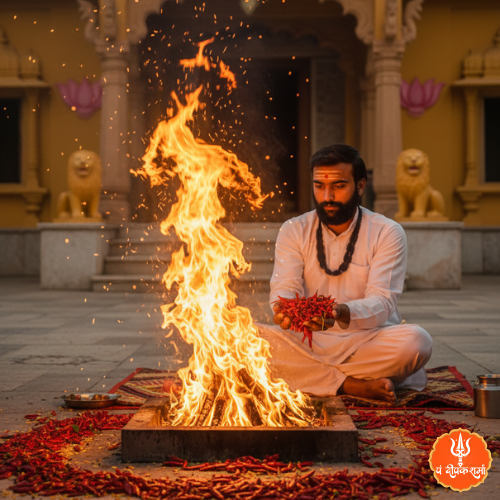
Prepare the havan kund by placing the sacred firewood and ghee inside. As the fire is lit, offer the ghee and other sacred items into the flames while chanting the Baglamukhi mantra. This act symbolizes the surrender of your intentions to the divine, allowing the goddess to take charge of your desires.
Continue to offer prayers and offerings into the fire, maintaining a focused mind and heart. The havan ceremony is a crucial aspect of the Anushthan, as it purifies the environment and invokes the goddess’s blessings. It is recommended to perform this ritual for a duration of at least one hour, allowing ample time for the energy to build and manifest.
Concluding Prayers
Once the havan is complete, conclude the Anushthan by offering gratitude to Devi Baglamukhi. Recite prayers expressing your devotion and seek her blessings for success and protection. Distribute prasad (blessed food) among family members and devotees present, sharing the divine energy of the ritual.
Finally, it is essential to maintain a sense of devotion and commitment to the goddess even after the Anushthan is complete. Regular prayers and offerings will strengthen your connection with Baglamukhi Mata, ensuring her continued blessings in your life.
Mantra for This Ritual
The primary mantra associated with Baglamukhi Anushthan is:
ॐ ह्लीं बगलामुखि सर्वविघ्न नाशाय ह्लीं
Transliteration: Om Hleem Baglamukhi Sarvavighna Nashaya Hleem
This mantra holds profound significance in the practice of Baglamukhi Anushthan. The syllable ‘ॐ’ (Om) represents the cosmic sound, the essence of the universe, and the divine energy that pervades all creation. The word ‘ह्लीं’ (Hleem) is a bija (seed) mantra that embodies the power of the goddess. It is believed to invoke her strength and wisdom, enabling devotees to overcome obstacles and adversaries.
The phrase ‘बगलामुखि’ (Baglamukhi) directly refers to the goddess herself, while ‘सर्वविघ्न नाशाय’ (Sarvavighna Nashaya) translates to ‘for the removal of all obstacles.’ This mantra is a powerful invocation that aligns the devotee’s intentions with the divine will, seeking the goddess’s blessings for success and protection.
Reciting this mantra with sincerity and devotion during the Anushthan amplifies its effects, creating a strong connection with Devi Baglamukhi. It is recommended to chant this mantra a specific number of times, such as 108, to enhance its potency and ensure that the prayers reach the goddess.
Do’s & Don’ts
When performing Baglamukhi Anushthan, it is essential to adhere to certain guidelines to ensure the ritual’s success. Here are some important do’s and don’ts to keep in mind:
Do’s
- Approach the ritual with a pure heart and sincere intentions.
- Maintain cleanliness in the space where the Anushthan is being performed.
- Use only pure and fresh materials for offerings, including flowers, fruits, and ghee.
- Recite the mantra with focus and devotion, allowing the energy to flow through you.
- Involve family members or close friends in the ritual for collective blessings.
Don’ts
- Avoid distractions during the ritual; maintain a focused and calm mind.
- Do not consume non-vegetarian food or alcohol before or during the Anushthan.
- Refrain from using impure or stale materials for offerings.
- Do not rush through the rituals; take your time to connect with the divine.
- Do not perform the Anushthan with negative thoughts or intentions.
When to Perform
Baglamukhi Anushthan can be performed at any time, but certain auspicious days are particularly favorable for invoking the goddess’s blessings. These include the days of the new moon (Amavasya), full moon (Purnima), and during Navratri, a festival dedicated to the worship of the divine feminine.
Additionally, it is advisable to perform the Anushthan during the early morning hours (Brahma Muhurta) when the energies are most conducive for spiritual practices. This time is considered sacred, allowing devotees to connect more deeply with the divine.
For individuals facing specific challenges, such as legal issues or adversarial situations, it is beneficial to perform the Anushthan as soon as possible. The sooner one seeks the goddess’s blessings, the more effective the ritual will be in alleviating difficulties.
Nalkheda Temple Connection
The Nalkheda Temple, dedicated to Devi Baglamukhi, is a significant pilgrimage site for devotees seeking her blessings. Located in the Agar Malwa district of Madhya Pradesh, this temple is renowned for its spiritual energy and divine presence. The temple attracts numerous devotees who come to perform Baglamukhi rituals, including Anushthan and Havan, seeking relief from life’s challenges.
Visiting the Nalkheda Temple enhances the experience of performing Baglamukhi Anushthan, as the divine vibrations of the temple amplify the effects of the rituals. Devotees often report profound experiences and transformations after visiting the temple and participating in the rituals conducted by experienced priests.
At the Nalkheda Temple, Pandit Deepak Sharma conducts traditional Baglamukhi pooja and havan, ensuring that the rituals are performed according to Vedic guidelines. His expertise and devotion provide devotees with a sense of assurance and spiritual guidance, making the temple a cherished destination for those seeking the blessings of Baglamukhi Mata.
FAQ
What is the significance of Baglamukhi Anushthan?
Baglamukhi Anushthan holds immense significance in Hindu spirituality, primarily for its ability to invoke the blessings of Devi Baglamukhi. This ritual is performed to seek protection from enemies, success in legal matters, and overall prosperity. The goddess is revered for her power to silence adversaries and remove obstacles, making this Anushthan a vital practice for those facing challenges in their lives.
Moreover, the ritual fosters personal growth and self-awareness, encouraging devotees to connect with their inner selves. The disciplined practice of Anushthan cultivates spiritual strength, enabling individuals to navigate life’s complexities with grace and resilience.
How often should one perform Baglamukhi Anushthan?
The frequency of performing Baglamukhi Anushthan depends on individual circumstances and spiritual needs. For those facing persistent challenges or adversities, it is advisable to perform the Anushthan regularly, especially during auspicious times such as Navratri or on new moon days. Regular practice reinforces the connection with the goddess and enhances the effectiveness of the rituals.
However, even occasional performances of the Anushthan can yield significant benefits. The key is to approach the ritual with sincerity and devotion, allowing the goddess to guide you through your challenges.
Can Baglamukhi Anushthan be performed for others?
Yes, Baglamukhi Anushthan can be performed on behalf of others, especially for loved ones facing difficulties. This practice is known as ‘proxy Anushthan,’ where a devotee performs the rituals with the intention of invoking the goddess’s blessings for someone else. It is essential to maintain a pure heart and sincere intentions while performing the Anushthan for others.
Many devotees choose to perform Anushthan for family members or friends who are struggling with adversities, seeking the goddess’s intervention in their lives. This act of devotion not only benefits the individual but also strengthens the bond of love and compassion within the community.
What materials are needed for Baglamukhi Anushthan?
To perform Baglamukhi Anushthan, certain materials are essential for the rituals. These include a clean cloth, a picture or idol of Devi Baglamukhi, fresh flowers, fruits, incense sticks, ghee, and a havan kund (sacred fire pit). It is crucial to ensure that all materials are pure and free from impurities, as this is vital for the success of the ritual.
Additionally, having a knowledgeable priest or pandit to guide the process can enhance the experience and ensure that the rituals are performed correctly according to Vedic traditions. The right materials and guidance create a conducive environment for invoking the goddess’s blessings.
Recommended Reading / Further Exploration
- Baglamukhi Havan for Legal Success: A Divine Ritual for Court Relief
- Advanced Concepts of Shatru Nashak Pooja (Explained Clearly)
- Baglamukhi Havan Vidhi: Everything You Need to Know
- How to Use Deepak Guruji Baglamukhi for Better Results
- Baglamukhi Puja Benefits: Beginner to Pro in One Detailed Guide