Meaning of This Ritual
The baglamukhi rituals, especially those performed at the sacred Nalkheda Temple, hold a deep spiritual significance in the Vedic tradition. Baglamukhi Mata, one of the ten Mahavidyas, embodies the power of speech and the ability to overcome obstacles. The rituals associated with her worship, including havans and anushthans, are designed to invoke her blessings for various aspects of life, such as protection, victory over enemies, and success in legal matters. Each ritual is a heartfelt offering, a way for devotees to connect with the divine and seek guidance in their earthly challenges.
In essence, these rituals serve as a bridge between the material and spiritual realms. They are not merely ceremonial acts; they are profound expressions of devotion and faith. The Baglamukhi havan, for instance, is a powerful fire ritual that purifies the environment and the devotee’s mind, creating a conducive atmosphere for divine blessings to flow. The chanting of mantras during these rituals is believed to resonate with the cosmic energies, aligning the devotee’s intentions with the divine will.
Moreover, the rituals are steeped in tradition, passed down through generations, ensuring that the essence of devotion remains intact. Each step in the ritual process is meticulously followed, reflecting the reverence and respect that the devotees have for Baglamukhi Mata. This adherence to tradition not only enhances the spiritual experience but also fosters a sense of community among the devotees who gather to participate in these sacred acts.
How This Ritual Helps
The Baglamukhi rituals offer a multitude of benefits to devotees, addressing various personal and spiritual needs. One of the primary purposes of these rituals is to seek protection from adversities and enemies. The Baglamukhi Havan, particularly, is renowned for its efficacy in neutralizing negative energies and providing a shield against harm. Devotees often report a sense of relief and empowerment after participating in these rituals, as they feel the divine presence of Baglamukhi Mata guiding and protecting them.
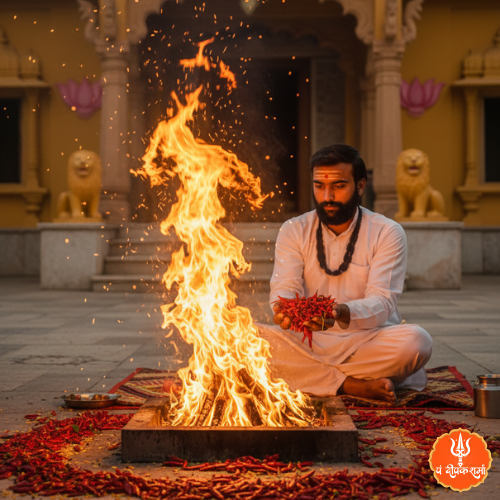
Additionally, these rituals are instrumental in resolving legal issues and conflicts. The Baglamukhi Mirchi Havan, for example, is specifically designed to aid in court cases and legal battles. By invoking the blessings of Baglamukhi Mata, devotees seek her divine intervention to ensure justice and victory in their endeavors. The mantra associated with this ritual, “ॐ ह्लीं वाद-विजयाय ह्लीं फट्,” is chanted with utmost devotion, believed to cut through the complexities of legal challenges and bring forth favorable outcomes.
Furthermore, the Baglamukhi rituals also promote mental clarity and focus, which are essential for personal growth and success in various fields. The spiritual vibrations created during the havan help in aligning the devotee’s thoughts with their goals, enhancing their ability to manifest their desires. Whether it is for career advancement, academic success, or personal development, the blessings of Baglamukhi Mata empower devotees to overcome obstacles and achieve their aspirations.
Mythological Background
The mythology surrounding Baglamukhi Mata is rich and profound, reflecting her significance in Hindu tradition. According to ancient texts, Baglamukhi is considered the goddess of speech and knowledge, embodying the power to control and subdue. She is often depicted as a beautiful woman, holding a club in one hand and a tongue in the other, symbolizing her ability to silence enemies and protect her devotees from harm. This imagery serves as a reminder of her protective nature and the strength she provides to those who seek her blessings.
One of the most revered stories associated with Baglamukhi Mata is her role in the battle between the gods and demons. When the demons threatened to disrupt the cosmic order, the gods turned to Baglamukhi for help. In response, she unleashed her divine power, subduing the demons and restoring balance to the universe. This narrative highlights her role as a protector and a force of justice, reinforcing the belief that her devotees will be safeguarded from adversities when they seek her blessings.
Moreover, Baglamukhi Mata is often invoked in situations requiring clarity and wisdom. Her association with knowledge and speech makes her a favored deity among students and professionals alike. Many devotees perform Baglamukhi rituals to enhance their communication skills and gain the confidence needed to express themselves effectively. This connection to knowledge and eloquence further cements her status as a guiding force in the lives of her followers, making the Baglamukhi rituals not just acts of worship, but also pathways to personal empowerment and success.
Who Should Perform This
The Baglamukhi rituals are open to all who seek the blessings of the goddess, regardless of their background or circumstances. However, there are specific groups of individuals who may find particular benefit in performing these rituals. Those facing legal challenges or conflicts are strongly encouraged to engage in the Baglamukhi Mirchi Havan, as it is specifically designed to invoke the goddess’s protection and guidance in legal matters. The mantra associated with this ritual is believed to provide clarity and victory in court cases, making it a vital practice for anyone involved in legal disputes.
Additionally, individuals who feel threatened by adversaries or negative influences can greatly benefit from the Baglamukhi Havan. This ritual serves as a powerful means of protection, helping devotees to overcome obstacles and neutralize harmful energies. Those who have experienced betrayal or conflict in personal or professional relationships may find solace and strength through these rituals, as they seek the divine intervention of Baglamukhi Mata.
Furthermore, students and professionals aiming for success in their endeavors are also encouraged to participate in Baglamukhi rituals. The goddess’s association with knowledge and eloquence makes her blessings invaluable for those seeking academic excellence or career advancement. By performing these rituals, devotees can align their intentions with the divine will, enhancing their ability to achieve their goals and aspirations.
Step-by-Step Vidhi (Very Detailed)
The process of performing Baglamukhi rituals is steeped in tradition and requires careful adherence to Vedic principles. The following is a detailed step-by-step guide to conducting the Baglamukhi Havan:
Preparation
Begin by selecting an auspicious day and time for the ritual, ideally on a Monday or Friday, as these days are considered favorable for worshipping Baglamukhi Mata. Clean the puja area thoroughly and set up an altar with an image or idol of Baglamukhi Mata. Decorate the altar with fresh flowers, fruits, and a diya (lamp) to create a sacred atmosphere.
Gathering Materials
Collect all necessary materials for the havan, including ghee (clarified butter), havan samagri (a mixture of sacred offerings), and specific herbs associated with Baglamukhi worship. Ensure that you have a wooden havan kund (fire pit) ready for the ritual. It is essential to have a clean and pure environment to facilitate the flow of divine energy during the havan.
Invocation of Deities
Begin the ritual by invoking the presence of Lord Ganesha, the remover of obstacles, to ensure a smooth and successful ceremony. Offer prayers and light the diya, followed by chanting the Ganesh mantra. Once Ganesha’s blessings are sought, proceed to invoke Baglamukhi Mata by chanting her specific mantras, such as “ॐ ह्लीं बगलामुखि सर्वविघ्न नाशाय ह्लीं.” This invocation sets the intention for the ritual and invites the goddess’s divine presence.
Performing the Havan
Once the deities are invoked, begin the havan by lighting the fire in the havan kund. Gradually add the havan samagri into the fire while chanting the Baglamukhi mantras. Each offering should be made with devotion, visualizing the blessings of the goddess flowing into your life. Continue chanting the mantras with focus and sincerity, allowing the vibrations to resonate within you and the surrounding environment.
Concluding the Ritual
After completing the havan, offer your gratitude to Baglamukhi Mata for her blessings. Perform aarti (waving of light) while singing devotional songs dedicated to the goddess. Finally, distribute prasad (blessed food) among family members and participants, symbolizing the sharing of divine blessings. It is important to conclude the ritual with a sense of fulfillment and devotion, carrying the positive energies into daily life.
Mantra for This Ritual
The mantra associated with the Baglamukhi rituals is a powerful invocation that encapsulates the essence of the goddess’s blessings. For those seeking victory in legal matters, the mantra is:
ॐ ह्लीं वाद-विजयाय ह्लीं फट्
Transliteration: Om Hleem Vaad-Vijayaaya Hleem Phat
Meaning: This mantra is a call for victory in disputes and legal battles. The syllable “ॐ” represents the universal sound, the essence of the divine. “ह्लीं” is a seed mantra that invokes the energy of Baglamukhi, while “वाद-विजयाय” translates to victory in arguments or disputes. The word “फट्” is a powerful sound that signifies the cutting away of obstacles. Together, this mantra serves as a potent tool for devotees seeking justice and resolution in their legal challenges.
Chanting this mantra with sincerity and focus during the Baglamukhi Havan creates a powerful vibration that aligns the devotee’s intentions with the divine will. It is essential to recite the mantra with a pure heart, visualizing the desired outcome and trusting in the goddess’s protective presence. Regular chanting of this mantra can enhance one’s ability to navigate legal complexities and emerge victorious in challenging situations.
Do’s & Don’ts
When performing Baglamukhi rituals, it is crucial to observe certain do’s and don’ts to ensure the effectiveness of the worship. Among the do’s, it is essential to approach the rituals with a pure heart and a focused mind. Devotees should engage in self-reflection and express their intentions clearly to Baglamukhi Mata. Offering fresh flowers, fruits, and other pure items enhances the sanctity of the ritual.
Additionally, maintaining cleanliness in the puja area and personal hygiene is vital. Devotees should wear clean clothes and avoid any distractions during the ritual. It is also advisable to chant the mantras with devotion and sincerity, allowing the vibrations to resonate within the heart and mind.
On the other hand, there are certain practices to avoid during the rituals. Engaging in negative thoughts or harboring ill intentions can hinder the effectiveness of the worship. It is essential to refrain from using stale or impure items in the offerings, as this can diminish the sanctity of the ritual. Moreover, avoid rushing through the process; each step should be performed with patience and devotion to honor the divine presence of Baglamukhi Mata.
When to Perform
The timing of Baglamukhi rituals plays a significant role in their effectiveness. It is generally recommended to perform these rituals on auspicious days, such as Mondays or Fridays, as these days are believed to be particularly favorable for invoking the blessings of Baglamukhi Mata. Additionally, performing the rituals during the waxing phase of the moon (Shukla Paksha) is considered highly auspicious, as it symbolizes growth and positivity.
Specific occasions, such as during a legal dispute or when facing challenges from enemies, are ideal times to engage in Baglamukhi rituals. Devotees often choose to perform the Baglamukhi Mirchi Havan when they are about to enter a court case or when they feel threatened by adversaries. This proactive approach helps in seeking divine intervention and protection before facing challenges.
Furthermore, personal milestones, such as starting a new job, beginning an academic journey, or embarking on a new venture, are also excellent opportunities to perform Baglamukhi rituals. By seeking the goddess’s blessings during these significant moments, devotees can align their intentions with divine support, enhancing their chances of success and fulfillment.
Nalkheda Temple Connection
The Nalkheda Temple, dedicated to Baglamukhi Mata, is a revered pilgrimage site for devotees seeking her blessings. Located in the Agar Malwa district of Madhya Pradesh, this temple is known for its serene ambiance and spiritual significance. The temple attracts numerous devotees who come to perform Baglamukhi rituals, including havans and anushthans, under the guidance of experienced priests.
Visiting the Nalkheda Temple provides devotees with an opportunity to connect with the divine energy of Baglamukhi Mata. The temple’s architecture and surroundings create a sacred space that enhances the spiritual experience. Many devotees report feeling a profound sense of peace and empowerment after visiting the temple and participating in the rituals.
Moreover, the temple serves as a hub for spiritual learning and guidance. Under the expert supervision of Pandit Deepak Sharma, devotees can engage in authentic Vedic rituals that adhere to traditional practices. This connection to the temple and its rituals fosters a sense of community among devotees, creating a supportive environment for spiritual growth and transformation.
FAQ
What is the significance of Baglamukhi rituals?
Baglamukhi rituals hold immense significance in the Vedic tradition, primarily focused on seeking the blessings of the goddess for protection, victory over adversaries, and success in various aspects of life. The rituals are designed to invoke the divine presence of Baglamukhi Mata, allowing devotees to connect with her energy and receive guidance in their earthly challenges. These rituals are not merely ceremonial acts; they are profound expressions of devotion that create a sacred space for divine blessings to flow.
Through the performance of Baglamukhi rituals, devotees aim to neutralize negative energies, overcome obstacles, and gain clarity in their endeavors. The rituals serve as a means of empowerment, helping individuals navigate life’s complexities with confidence and faith. The chanting of mantras and the offerings made during these rituals amplify the spiritual vibrations, aligning the devotee’s intentions with the divine will.
Who can perform Baglamukhi rituals?
Baglamukhi rituals are open to all individuals seeking the blessings of the goddess, regardless of their background or circumstances. However, those facing specific challenges, such as legal disputes or conflicts with adversaries, may find particular benefit in engaging in these rituals. The Baglamukhi Mirchi Havan, for instance, is specifically designed to aid in court cases and legal battles, making it a vital practice for anyone involved in such situations.
Additionally, students and professionals aiming for success in their endeavors are encouraged to participate in Baglamukhi rituals. The goddess’s association with knowledge and eloquence makes her blessings invaluable for those seeking academic excellence or career advancement. By performing these rituals, devotees can align their intentions with the divine will, enhancing their ability to achieve their goals and aspirations.
What materials are needed for the Baglamukhi Havan?
To perform the Baglamukhi Havan, several materials are required to ensure the ritual’s effectiveness. Essential items include ghee (clarified butter), havan samagri (a mixture of sacred offerings), and specific herbs associated with Baglamukhi worship. A wooden havan kund (fire pit) is also necessary for conducting the fire ritual. It is important to gather fresh and pure items for the offerings, as this enhances the sanctity of the ritual.
Additionally, devotees should prepare an altar with an image or idol of Baglamukhi Mata, along with fresh flowers and fruits. These offerings symbolize devotion and respect towards the goddess, creating a sacred atmosphere for the ritual. Ensuring cleanliness in the puja area and personal hygiene is also vital to facilitate the flow of divine energy during the havan.
How can one ensure the effectiveness of the rituals?
To ensure the effectiveness of Baglamukhi rituals, it is crucial to approach them with a pure heart and a focused mind. Engaging in self-reflection and expressing clear intentions to Baglamukhi Mata enhances the spiritual experience. Devotees should maintain cleanliness in the puja area and personal hygiene, wearing clean clothes and avoiding distractions during the ritual.
Additionally, chanting the mantras with devotion and sincerity is essential. Each step of the ritual should be performed with patience and reverence, honoring the divine presence of Baglamukhi Mata. It is also advisable to avoid negative thoughts or ill intentions, as these can hinder the effectiveness of the worship. By adhering to these principles, devotees can create a conducive environment for divine blessings to manifest in their lives.
When is the best time to perform Baglamukhi rituals?
The timing of Baglamukhi rituals plays a significant role in their effectiveness. It is generally recommended to perform these rituals on auspicious days, such as Mondays or Fridays, which are considered favorable for invoking the blessings of Baglamukhi Mata. Additionally, performing the rituals during the waxing phase of the moon (Shukla Paksha) is believed to enhance the positive energies associated with the worship.
Specific occasions, such as during a legal dispute or when facing challenges from enemies, are ideal times to engage in Baglamukhi rituals. Devotees often choose to perform the Baglamukhi Mirchi Havan when they are about to enter a court case or when they feel threatened by adversaries. This proactive approach helps in seeking divine intervention and protection before facing challenges.