Meaning of This Ritual
The baglamukhi rituals hold profound significance in the spiritual realm, particularly for devotees seeking divine intervention in their lives. The essence of these rituals lies in invoking the blessings of Devi Baglamukhi, one of the ten Mahavidyas, known for her power to control and eliminate negativity. The rituals encompass various practices such as havans, poojas, and anushthans, each designed to align the devotee’s energies with the divine. Through these sacred acts, devotees seek protection from adversities, resolution of legal issues, and overall prosperity.
Baglamukhi rituals are not merely ceremonial; they are a means of connecting with the divine feminine energy that governs wisdom and victory. Each ritual is steeped in tradition, following the Vedic scriptures that guide the process and intentions behind the offerings made to the goddess. The act of performing these rituals is a way for devotees to express their devotion, seek forgiveness for past misdeeds, and cultivate a harmonious life.
In essence, the Baglamukhi rituals serve as a bridge between the material and spiritual worlds, allowing devotees to channel their prayers and intentions towards achieving specific goals, whether it be overcoming obstacles, winning legal battles, or enhancing one’s career prospects.
How This Ritual Helps
The Baglamukhi rituals are designed to provide various forms of assistance to devotees, addressing both spiritual and material concerns. One of the primary benefits is the removal of obstacles that hinder personal and professional growth. By performing the Baglamukhi Havan or Anushthan, devotees can invoke the goddess’s blessings to clear away negativity and pave the way for success. This is particularly beneficial for those facing challenges in their careers or business ventures.
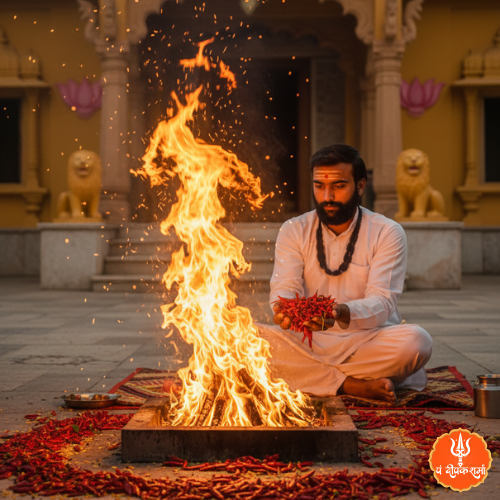
Additionally, these rituals are known for their efficacy in legal matters. The Baglamukhi Mirchi Havan, for instance, is specifically aimed at achieving victory in court cases. The ritual involves the use of specific mantras and offerings that resonate with the energies of justice and truth, thereby enhancing the chances of favorable outcomes in legal disputes. Devotees often report a sense of relief and clarity after engaging in these rituals, as they feel supported by the divine in their struggles.
Moreover, the spiritual guidance received through these rituals fosters a deeper connection with the divine. This connection not only brings peace and reassurance but also empowers devotees to face life’s challenges with courage and faith. The rituals serve as a reminder of the divine presence in their lives, encouraging them to remain steadfast in their pursuits.
Mythological Background
The mythology surrounding Devi Baglamukhi is rich and profound, rooted in ancient texts and traditions. She is revered as the goddess of speech and power, often depicted as a fierce protector who can silence enemies and grant wisdom to her devotees. According to legend, Baglamukhi emerged from the collective energy of the ten Mahavidyas, embodying the essence of divine feminine strength.
One of the most prominent stories associated with Baglamukhi involves her intervention in a battle between the gods and demons. As the demons threatened to overpower the gods, Baglamukhi manifested to restore balance. With her divine power, she subdued the demons, showcasing her ability to control and eliminate negativity. This act of protection is what makes her a sought-after deity for those facing adversities, particularly in matters of justice and conflict.
The rituals dedicated to Baglamukhi are not just acts of devotion; they are a means of invoking her protective energy. Each mantra and offering made during the rituals is steeped in this mythology, reinforcing the belief that through sincere worship, devotees can access her divine grace and guidance in their lives.
Who Should Perform This
The Baglamukhi rituals are suitable for anyone seeking divine intervention in their personal or professional lives. Individuals facing legal challenges, career obstacles, or conflicts with adversaries can greatly benefit from these rituals. The rituals are particularly recommended for those who feel overwhelmed by negativity or are in need of protection from external forces.
Moreover, those who are on a spiritual journey and wish to deepen their connection with Devi Baglamukhi will find these rituals to be a powerful means of enhancing their spiritual practice. Engaging in the Baglamukhi Anushthan or Havan allows devotees to align their energies with the goddess, fostering a sense of peace and empowerment.
It is also important for individuals who have experienced setbacks or failures in their endeavors to consider these rituals. The transformative energy of Baglamukhi can help them regain confidence and clarity, enabling them to move forward with renewed vigor and determination.
Step-by-Step Vidhi (Very Detailed)
Performing the Baglamukhi rituals requires adherence to specific Vedic guidelines to ensure their efficacy. The following is a detailed step-by-step procedure for conducting the Baglamukhi Havan:
Preparation
Begin by selecting an auspicious date and time for the ritual, preferably during a favorable lunar phase. Cleanse the space where the ritual will take place, ensuring it is free from any distractions. Gather all necessary materials, including a havan kund (fire pit), ghee, wood, and specific offerings such as flowers, fruits, and grains.
Setting Up the Havan Kund
Place the havan kund in the center of the ritual space. Ensure that it is positioned in a way that allows for proper airflow. Arrange the wood in a pyramid shape within the kund, leaving space for the ghee and other offerings. This arrangement symbolizes the ascent of prayers to the divine.
Invoking the Deity
Begin the ritual by invoking the presence of Devi Baglamukhi. Light a lamp and offer flowers at her idol or picture. Chant the appropriate mantras to invite her energy into the space. The mantra for this ritual is: ॐ ह्लीं बगलामुखि सर्वविघ्न नाशाय ह्लीं (Om Hleem Baglamukhi Sarvavighna Nashaya Hleem). This mantra is a powerful invocation for removing obstacles.
Performing the Havan
Once the deity is invoked, light the fire in the havan kund using the wood and ghee. As the flames rise, begin offering the prepared materials into the fire while chanting the mantra. Each offering should be made with devotion and intention, visualizing the removal of obstacles and the attainment of success.
Concluding the Ritual
After completing the offerings, conclude the ritual by thanking Devi Baglamukhi for her presence and blessings. Perform aarti and distribute prasad to all participants. It is essential to maintain a calm and respectful atmosphere throughout the ritual, as this enhances the spiritual energy of the practice.
Mantra for This Ritual
The mantra associated with the Baglamukhi rituals is a vital component of the worship process. The mantra is: ॐ ह्लीं बगलामुखि सर्वविघ्न नाशाय ह्लीं (Om Hleem Baglamukhi Sarvavighna Nashaya Hleem). This powerful invocation is specifically designed to remove all obstacles and pave the way for success.
The meaning of this mantra can be broken down as follows: ‘ॐ’ represents the universal sound, the essence of the divine. ‘ह्लीं’ is a bija (seed) mantra that embodies the energy of Baglamukhi. ‘बगलामुखि’ refers to the goddess herself, while ‘सर्वविघ्न नाशाय’ translates to the removal of all obstacles. Thus, the mantra serves as a direct appeal to Devi Baglamukhi for her assistance in overcoming challenges.
Chanting this mantra with sincerity and devotion during the rituals amplifies its power, creating a channel for divine energy to flow into the devotee’s life. It is recommended to chant this mantra multiple times, especially during the Havan, to enhance its effectiveness.
Do’s & Don’ts
When engaging in Baglamukhi rituals, it is essential to adhere to certain guidelines to ensure the sanctity and effectiveness of the practice. Here are some do’s and don’ts:
Do’s
- Perform the rituals with a pure heart and sincere intentions.
- Use fresh flowers and pure offerings for the havan.
- Maintain a clean and sacred space for the ritual.
- Invite family members or close friends to participate, as collective energy enhances the ritual.
- Chant the mantra with focus and devotion, allowing the energy to resonate within.
Don’ts
- Avoid performing the ritual during inauspicious times or when feeling negative.
- Do not use stale or impure materials for the offerings.
- Refrain from distractions during the ritual; maintain focus on the divine.
- Do not rush through the process; take your time to connect with the energy of the ritual.
- Avoid discussing negative thoughts or experiences during the ritual.
When to Perform
The timing of the Baglamukhi rituals plays a crucial role in their effectiveness. It is advisable to perform these rituals during auspicious lunar phases, particularly on full moons or during specific festivals dedicated to Devi Baglamukhi. Additionally, engaging in these rituals during times of personal crisis or when facing significant challenges can amplify their impact.
For individuals involved in legal matters, performing the Baglamukhi Mirchi Havan before court dates or important hearings is highly beneficial. This timing aligns the energies of the ritual with the need for justice and victory, enhancing the likelihood of favorable outcomes.
Ultimately, the best time to perform these rituals is when the devotee feels a strong calling to connect with Devi Baglamukhi. Trusting one’s intuition regarding timing can lead to profound spiritual experiences and breakthroughs.
Nalkheda Temple Connection
The Nalkheda Temple, dedicated to Devi Baglamukhi, is a sacred site that attracts devotees from far and wide. Located in the Agar Malwa district of Madhya Pradesh, this temple is renowned for its spiritual ambiance and the authenticity of the rituals performed there. The temple serves as a focal point for Baglamukhi rituals, where devotees can participate in havans and poojas conducted by experienced pandits.
Visiting the Nalkheda Temple offers a unique opportunity to connect with the divine energy of Baglamukhi in a sacred environment. The temple is often bustling with devotees, creating a collective energy that enhances the spiritual experience. Engaging in rituals at the temple allows devotees to receive blessings directly from the goddess, reinforcing their faith and devotion.
For those unable to visit the temple, the option to perform rituals online or through guidance from Pandit Deepak Sharma ensures that the divine connection remains accessible. The temple’s significance in the realm of Baglamukhi rituals cannot be overstated, as it embodies the essence of devotion and spiritual practice.
FAQ
What is the significance of Baglamukhi rituals?
The Baglamukhi rituals hold immense significance for devotees seeking divine intervention in various aspects of their lives. These rituals are designed to invoke the blessings of Devi Baglamukhi, who is known for her power to remove obstacles and grant victory. By performing these rituals, devotees can align their energies with the goddess, seeking her guidance and support in overcoming challenges, particularly in legal matters and personal conflicts.
Moreover, the rituals serve as a means of expressing devotion and gratitude towards the goddess. They create a sacred space where devotees can connect with the divine, fostering a sense of peace and empowerment. The significance of these rituals lies not only in their immediate benefits but also in the long-term spiritual growth they facilitate.
How can I prepare for a Baglamukhi Havan?
Preparing for a Baglamukhi Havan involves several important steps to ensure the ritual’s effectiveness. First, it is essential to choose an auspicious date and time, preferably during a favorable lunar phase. Cleaning the space where the havan will take place is crucial, as it creates a sacred environment conducive to spiritual energy.
Gather all necessary materials, including a havan kund, ghee, wood, and offerings such as flowers and fruits. Setting up the havan kund properly is vital, as it symbolizes the connection between the devotee and the divine. Invoking the presence of Devi Baglamukhi through mantras and offerings is the next step, followed by performing the havan with devotion and focus. Taking the time to prepare thoughtfully enhances the spiritual experience and the effectiveness of the ritual.
Can anyone perform Baglamukhi rituals?
Yes, anyone can perform Baglamukhi rituals, regardless of their background or experience. The rituals are open to all devotees seeking divine assistance in their lives. Whether facing legal challenges, career obstacles, or personal conflicts, individuals can engage in these rituals to invoke the blessings of Devi Baglamukhi.
It is important to approach the rituals with sincerity and devotion, as the intention behind the practice plays a significant role in its effectiveness. For those who may feel uncertain about performing the rituals themselves, seeking guidance from experienced pandits, such as Pandit Deepak Sharma, can provide valuable support and ensure the rituals are conducted according to Vedic traditions.
What materials are needed for a Baglamukhi Havan?
To perform a Baglamukhi Havan, several materials are required to ensure the ritual is conducted properly. Essential items include a havan kund (fire pit), ghee, wood, and specific offerings such as fresh flowers, fruits, and grains. These materials are symbolic and play a crucial role in the ritual, as they represent the devotee’s devotion and intentions.
Additionally, having a clean and sacred space for the havan is important. The atmosphere should be free from distractions, allowing the devotee to focus on the ritual and connect with the divine. Preparing these materials with care and intention enhances the overall experience and effectiveness of the Baglamukhi Havan.
What is the role of mantras in Baglamukhi rituals?
Mantras play a central role in Baglamukhi rituals, serving as powerful invocations that connect the devotee with the divine energy of the goddess. Each mantra is carefully chosen to align with the specific intentions of the ritual, whether it be for removing obstacles, achieving victory in legal matters, or enhancing one’s career prospects.
The chanting of mantras during the rituals amplifies the spiritual energy, creating a channel for divine blessings to flow into the devotee’s life. The sincerity and focus with which the mantras are chanted significantly impact the effectiveness of the rituals, making it essential for devotees to engage in this practice with devotion and mindfulness.
How can I get guidance for performing Baglamukhi rituals?
For those seeking guidance in performing Baglamukhi rituals, reaching out to experienced pandits like Pandit Deepak Sharma is highly recommended. With over 25 years of experience in Vedic traditions, he can provide valuable insights and support in conducting the rituals according to authentic practices.
Additionally, many temples, including the Nalkheda Temple, offer opportunities for devotees to participate in rituals led by knowledgeable pandits. This ensures that the rituals are performed correctly and effectively, allowing devotees to experience the full benefits of their devotion to Devi Baglamukhi.